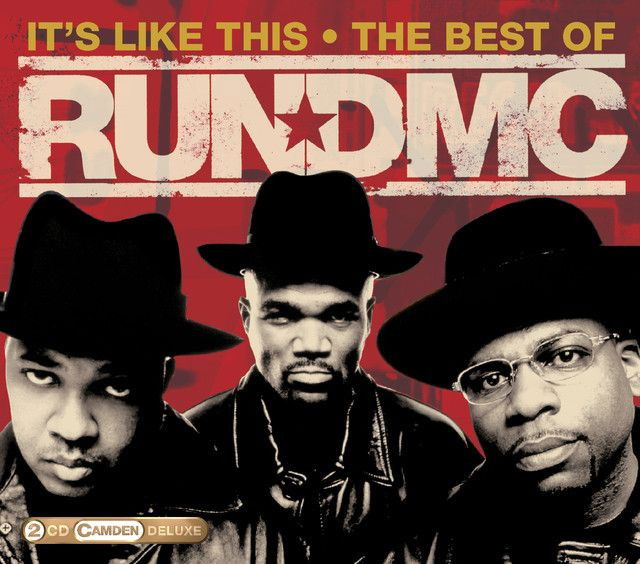
Why “You Be Illin’” Still Hits
The Joke Is the Message
The meaning of You Be Illin' Run–D.M.C. is simple on the surface and sharper underneath: it is a comedy rap about acting foolish in public. Across the song, they describe one embarrassing mistake after another, then sum it up with the hook You be illin'
. In 1980s slang, “illin’” meant acting wild, off, or just plain wrong, as explained in later writing on the term’s history and in summaries of the single’s background.
"You Be Illin'" - Run–D.M.C.
Just mindin' my business, eatin' food and finger lickin'
This dude walked in lookin' strange and kind of funny
Loading lyrics...
Unable to load lyrics
We're unable to display the lyrics at this time. Please try again later.
What makes the song work is that they never turn it into a lecture. Instead, they build a series of mini-scenes. Someone orders the wrong food in the wrong place, sleeps through the wrong moments, and misses social cues so badly that the audience laughs before the chorus even arrives.

Watch the official You Be Illin'
music video
Run–D.M.C. at a Turning Point
Factually, the track came from Raising Hell, the group’s third album, and it arrived in 1986 after the crossover success of “Walk This Way.” It was released as a single that same year and became a real chart hit, reaching No. 29 on the Billboard Hot 100 and No. 12 on the Hot Black Singles chart.
That context matters. By 1986, Run–D.M.C. were not just a rap group; they were helping define how mainstream hip-hop could sound and sell. So a funny record like this was not filler. It showed that they could move between toughness, style, and humor without losing credibility.
A brief Cash Box review called it a “humorous poke” at social mistakes. That short description gets the song right: this is a novelty record, but one made by artists who knew exactly how to shape rhythm, persona, and timing.
Four Scenes, One Theme
Everyday failure turned into rap theater
The verses work like sketches. Each one shows a person who is out of step with the moment.
In the first story, the person walks into a fried chicken chain and asks if it is really that restaurant, then tries to order small fries, Big Mac
. The joke is not just confusion. It is social cluelessness so obvious that everyone around him can see it.
The next scene shifts to sports. They set up what should be an exciting basketball moment, but the character is not paying attention and yells Touchdown!
at the wrong game. Again, the humor comes from a basic failure to read the room.
Then comes the party verse. The person is drunk, approaches someone with confidence, and gets rejected because his behavior is a mess. The song does not need a moral speech; the embarrassment is the punishment.
Finally, the last verse pushes things into cartoon territory with a can of dog food
. It is the biggest exaggeration in the song, and that matters. By ending there, they show that “illin’” is not one mistake. It is a pattern of not noticing what is right in front of you.
Why the Chorus Lands So Hard
The hook is tiny, but that is the point. You be illin'
works like a verdict after each scene. It is catchy enough to feel playful, but blunt enough to feel like a public callout.
Interpretation: the chorus also captures a key part of early hip-hop battle culture. They are not confessing their own flaws. They are observing, judging, and entertaining at the same time. The listener becomes part of that judgment, laughing along as each verse proves the point again.
Just mindin' my business
then chaos walks in
and the scene turns ridiculous.
That quick turn from normal life to absurd behavior is the song’s engine. Every verse starts with an ordinary setup, then breaks into public nonsense.
How the Sound Sells the Humor
The production helps the joke hit. The track is lean, beat-forward, and uncluttered in a classic mid-1980s Run–D.M.C. style. That stripped-down approach leaves lots of space for the voices, which is important because the humor depends on timing, pauses, and punch lines.
Factually, the song is associated with the Raising Hell era and production credits tied to Russell Simmons, Rick Rubin, Jason Mizell, and Joseph Simmons in standard discographies. The beat does not overwhelm the verses; it frames them. That gives each comic detail room to land cleanly.
Their delivery matters just as much as the instrumental. They rap with certainty, not goofiness. That straight-faced style makes the jokes funnier. If they sounded too silly, the song would collapse into parody. Instead, they sound like experts reporting on amateur behavior.
More Than a Novelty Record
What the song says about cool
Interpretation: beneath the humor, the song is about social awareness. Every example shows someone failing to understand context—food, sports, flirting, even labels on a can. In that sense, “illin’” means more than being weird. It means being disconnected from the codes of everyday life.
That idea fits Run–D.M.C.’s larger image. Their music often projected control, confidence, and streetwise intelligence. This song defines those values by showing their opposite. They do not explain what being cool is; they show what it is not.
It also helps explain why the song aged well. The references are very 1980s, but the core feeling is timeless. Everyone has seen somebody act with total confidence while being totally wrong.
Final Take on the Meaning
The meaning of You Be Illin' Run–D.M.C. is a funny warning about being out of touch. Through four quick scenes and one unforgettable hook, they turn social mistakes into a lesson about awareness, cool, and public embarrassment.
It remains memorable because it balances craft and comedy. The beat is tight, the stories are clear, and the refrain is impossible to forget. Interpretation: they are not just making fun of one fool; they are defining a whole style of bad behavior in the language of hip-hop.
Disclaimer: This article offers a mix of documented context and interpretation. Meanings can vary by listener, and some readings are informed inference rather than confirmed artist intent.







