Why 'Freewill' by Rush Still Feels Defiant
Rush’s “Freewill” sounds like a philosophy debate set to a lightning-fast rock song. That is a big reason it still lands so hard. The meaning of Freewill Rush comes down to one sharp idea: people may face pressure, fear, or unfair odds, but they still have to own their choices.
"Freewill" - Rush
Has nothing left to chance
A host of holy horrors
Loading lyrics...
Unable to load lyrics
We're unable to display the lyrics at this time. Please try again later.
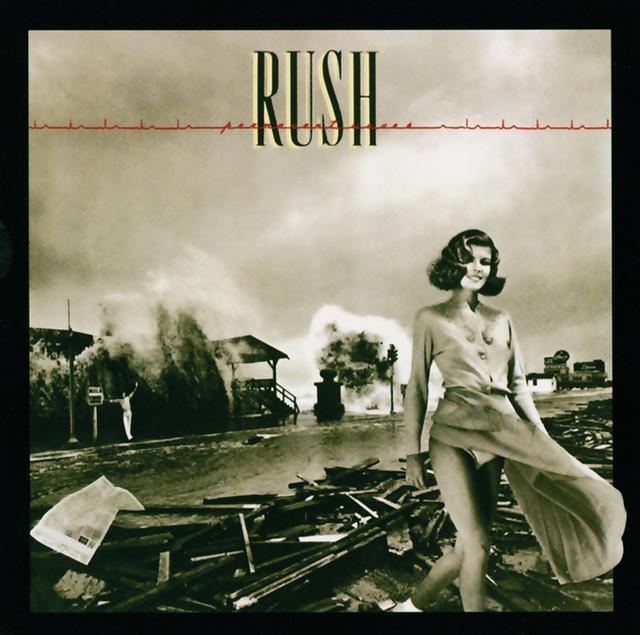
The song appeared on Permanent Waves in 1980, the second track on an album that helped Rush become more concise without giving up their progressive edge. According to widely cited discography details, it was released on January 18, 1980, recorded at Le Studio in Quebec, and produced by Rush with Terry Brown. It was never a major single, yet it became a radio staple and a fan favorite.
A Song That Pushes Back Against Fate
At its core, “Freewill” argues against passive living. Neil Peart’s lyric keeps naming the systems people use to explain away their lives: religion, destiny, bad luck, social disadvantage, even cosmic disorder. The song does not deny that life can be hard. It does deny that helplessness is a full answer.
That is why the chorus hits so cleanly. The famous line If you choose not to decide
turns avoidance into responsibility. In plain terms, the song says that doing nothing is still doing something. A person cannot step outside choice just by refusing to act.
Geddy Lee later summed it up simply in a Rockline interview: the song is about freedom of choice and believing what one decides to believe. That statement matters because it keeps the song from becoming only a lecture against religion. Its target is broader: surrendering one’s judgment to anything else.
Watch the official Freewill
music video
How the Verses Build the Argument
The first verse introduces people who think life is controlled by outside forces. Peart uses puppet-like imagery and warped spiritual language to show a worldview built on fear and dependence. Short phrases like aimless dance
and powers we cannot perceive
make life sound manipulated and foggy.
Then the lyric pivots. Instead of agreeing that unseen forces rule everything, it suggests that blaming fate can be comforting. It is easier to accuse the stars or the gods than to accept personal agency.
The second verse shifts from religion to social luck. Images of a losing hand
and stacked cards point to the feeling that life has been rigged from the start. Peart is not mocking suffering here. He is showing how quickly pain can turn into fatalism.
That is where the song becomes more nuanced than a simple self-help slogan. It recognizes real disadvantage, then argues that people still must respond to it. The lyric’s voice refuses both self-pity and magical rescue.
The Chorus Is the Moral Center
The hook works because it is blunt. One line warns against taking orders from a celestial voice
; another ends with the declaration I will choose free will
. Together, they frame the song as a statement of agency.
Interpretation: This does not mean Rush is claiming everyone controls every outcome. It means the band is defending the freedom to think, judge, and act without handing that work to dogma, fear, or passivity.
There is also a subtle tension in that phrase “choose free will.” It sounds almost circular, and that is part of its strength. The song suggests freedom is not just a condition people have. It is something they must practice.
Why the Music Feels So Urgent
“Freewill” is not only smart on the page. It feels urgent because the arrangement never sits still. The track is known for shifting meters, often described through combinations of 13/4, 15/4, 12/8, and 4/4 across different sections. That complexity gives the song a restless pulse, as if the music itself is pushing forward through uncertainty.
Alex Lifeson’s guitar solo is central to that effect. He once described it as a very hard solo to play and one of the band’s most ambitious pieces of music. Critics have called it searing and rapid-fire, which fits. The solo sounds less like escape than confrontation.
Geddy Lee’s vocal also matters. The final verse climbs into the upper edge of his early high register, a style many writers see as a last flourish of Rush’s earlier sound. That strain gives the song extra force, like the message costs something to say.
Artist Context Makes the Theme Even Clearer
Permanent Waves marked a turning point for Rush. The band began moving away from side-long epics toward tighter songs that still kept their technical identity. “Freewill” is a perfect example: cerebral, but accessible enough for album-oriented rock radio.
That balance helps explain its long life. It has appeared on multiple compilations and stayed in the band’s live orbit for years. The message is part of that staying power. Many rock songs celebrate rebellion in vague terms. “Freewill” is more specific. It says freedom means accepting responsibility, not just rejecting authority.
A Final Reading
The meaning of Freewill Rush is not that life is fair, easy, or fully controllable. It is that people weaken themselves when they explain everything through fate, fear, or someone else’s plan. The song’s challenge is simple and hard at once: think for yourself, then live with the choice.
That reading is supported by the lyrics, the band’s own comments, and the music’s tense momentum. Still, interpretation is never final, and listeners may hear spiritual doubt, political individualism, or plain personal courage in different proportions.
Disclaimer: This interpretation is based on the song’s lyrics, recorded performance, and public comments from the band, but meaning in music can remain open to individual listeners.







