Why Rush's 'Witch Hunt' Still Feels Urgent
The meaning of Witch Hunt Rush comes through fast: this is a song about fear becoming group violence. On the surface, it shows a crowd gathering at night. Underneath, it is a warning about what happens when suspicion, prejudice, and moral certainty combine.
"Witch Hunt" - Rush
The air is thick and still
The vigilantes gather on
Loading lyrics...
Unable to load lyrics
We're unable to display the lyrics at this time. Please try again later.
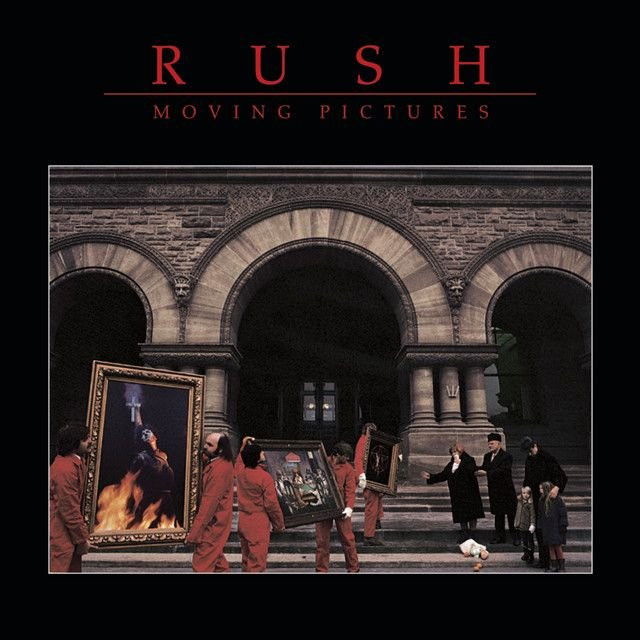
Released on Moving Pictures in 1981, Witch Hunt
stands out in Rush’s catalog for both its subject and its sound. It was written by lyricist Neil Peart with music by Geddy Lee and Alex Lifeson, and it was produced by Rush with Terry Brown. Factually, it appears on Moving Pictures and is widely described as part of Rush’s "Fear" series, even though it was the first one released.
A Song About Mob Thinking, Not Magic
At its core, the song is not about witches. It uses the idea of a witch hunt as a symbol for organized panic. The opening scene sets that up with a moonless night and a mob carrying torches, turning public fear into something almost ritualistic.
The key point is that the crowd believes it is righteous. That is why lines like the righteous rise
matter so much. Rush presents people who think they are defending society, even as they drift toward hatred. The song’s moral force comes from that contradiction.
Interpretation: Peart seems less interested in one specific event than in a repeating social pattern. When people feel threatened, they may look for a target. The target can be outsiders, artists, readers, immigrants, or anyone who does not fit.
Watch the official Witch Hunt
music video
The Real Villain Is Fear Sold as Truth
The strongest section of the lyric moves from scene-setting into social criticism. The mob is fed by rumor and manipulation. Rush underlines that process with short, hard phrases such as fear and lies
and quick to judge
.
Those phrases matter because they describe a chain reaction:
- Someone claims danger is everywhere.
- The crowd accepts that story without reflection.
- Anger rises faster than understanding.
- Violence starts to feel justified.
The song makes that argument very clearly when it points to threats supposedly coming from immigrants and infidels
. That phrase is brief, but it opens the song’s biggest theme: xenophobia. Rush shows how fear of foreigners and nonbelievers gets repackaged as public duty.
Why the Lyrics Still Land
One reason the meaning of Witch Hunt Rush still resonates is that the song never feels stuck in 1981. Critics have long linked it to the era’s culture-war climate and the Moral Majority, but the writing is broad enough to fit many moments when public anxiety turns punitive.
That is also why the lyric about dangerous ideas appearing in everyday cultural spaces hits hard. The song suggests that censorship and suspicion often arrive wearing the mask of protection. Instead of saying freedom is under attack in abstract terms, Rush dramatizes the psychology behind the attack.
Ignorance and prejudice
fear walk hand in hand
This is the article’s only multi-line quote because it condenses the entire thesis. Rush argues that intolerance is not random. It grows when ignorance is paired with fear and then given permission to act.
How the Sound Builds the Threat
The production is a big part of the song’s meaning. Unlike many Rush tracks built mainly around the trio’s live feel, Witch Hunt
was crafted as a detailed studio piece. Reports about the recording note layered crowd sounds, extensive overdubs, added keyboards, and a broad spread of percussion instruments.
That matters because the arrangement does not just accompany the lyric; it performs it. The opening crowd noise makes the listener feel surrounded. The drums and bells create a ceremonial, almost processional tension. Lifeson’s guitar and Lee’s bass do not rush forward in a heroic way. Instead, they move with dread.
Interpretation: The track sounds like panic thickening in the air. Its slower tempo and dark texture make the mob feel inevitable, which is exactly the point. By the time the accusations become explicit, the emotional machinery is already running.
Context Around the Recording
There is also a striking bit of history around the session. The song was recorded on December 8, 1980, the day John Lennon was killed, and Geddy Lee later recalled they were in the middle of working on it when the news broke. That fact does not change the lyric’s subject, but it deepens the atmosphere around a song already preoccupied with hatred and violence.
The track also became notable inside Rush’s own body of work. It is the first released piece in the band’s "Fear" cycle, and many fans hear it as one of Neil Peart’s clearest social statements. Rather than writing from a personal, confessional angle, they step back and study a crowd in motion.
A Clear Message With No Easy Comfort
What makes the song powerful is its refusal to flatter the listener. It would be easy to hear the mob and think the song is only about other people. But the lyric is more unsettling than that. It suggests that any community can slide into this behavior when it stops asking questions.
That is why the song remains compelling in the United States and beyond. Its warning applies wherever public fear is turned against minorities, dissenters, or culture itself. The message is simple, but not simplistic: people become dangerous when certainty replaces empathy.
In the end, the meaning of Witch Hunt Rush is a warning against collective paranoia dressed up as virtue. Rush turns the image of a torchlit crowd into a study of how democracies, neighbors, and ordinary citizens can become cruel.
Disclaimer: This interpretation is based on the lyrics, recording context, and documented commentary, but song meaning is never fully fixed and listeners may hear it differently.








