Why ‘Pierre’ by Ryn Weaver Won’t Let Him In
Ryn Weaver’s “Pierre” is a fast, fizzy story about running forward while glancing back. For listeners searching the meaning of Pierre Ryn Weaver, the song frames a string of flings as armor against an ex. It’s catchy because it’s conflicted—romance as both thrill and shield.
"Pierre" - Ryn Weaver
Drank with the devil and forgot my name
Woke with somebody when the morning came
Loading lyrics...
Unable to load lyrics
We're unable to display the lyrics at this time. Please try again later.
Escapes in Technicolor: What the Story Really Says
The opening images—like I danced in the desert
—set a wild, untamed mood. This isn’t settled love; it’s motion. Each verse catalogs a brief affair, and each ends with a firm refusal to return to the past.
Interpretation: The song is about self-preservation. By collecting experiences, the narrator proves they’re free, even if that freedom is chaotic. The repeated decision not to go back becomes the spine of the story.

Watch the official Pierre
music video
A Guarded Voice Aiming at an Ex
The narrator speaks in first person to a former partner. They brag, confess, and deflect—often in the same breath. A line like count down to the day
hints at a wish that the lies of strength might one day become true strength.
Interpretation: The direct address turns the track into a performance of moving on. The point isn’t just new love; it’s showing the ex they no longer have access.
Verse-by-Verse: Lovers as Landmarks, Not Destinations
One verse introduces the quiet bassist—found me a lover
—more mood than match. Another sketches a charming vagabond who borrows the car and pops a tire. These are adventures, not anchors.
Then comes the namesake: Pierre. He “lied about his age,” but spoke in broken English
, and the narrator is disarmed by eyes of sky and ocean blue
. Pierre represents sincerity within imperfection, a sweet holiday spark set against the larger project of not going back. Each encounter ends with the same conclusion: better this mess than that old you.
The Hook’s Shield: What the Chorus Confesses
I can’t let him in Keep on telling, telling, telling you lies
The chorus is the blunt boundary. The narrator refuses the ex’s pull and admits to a strategy: keep talking, keep spinning, keep distance. The “lies” feel less like cruelty and more like a survival tactic. Interpretation: This is about managing a relapse hazard—protecting the heart with deflection until the danger passes.
How the Sound Sells the Feeling
“Pierre” moves like a getaway car. The production—indie-pop with a stomping, EDM-tinged pulse—matches the lyrics’ restless energy. Ryn Weaver’s vocal flits between airy and urgent, riding crisp drums and bright, melodic hooks. As the chorus lifts, the arrangement widens, echoing the narrator’s rush of adrenaline when boundaries hold.
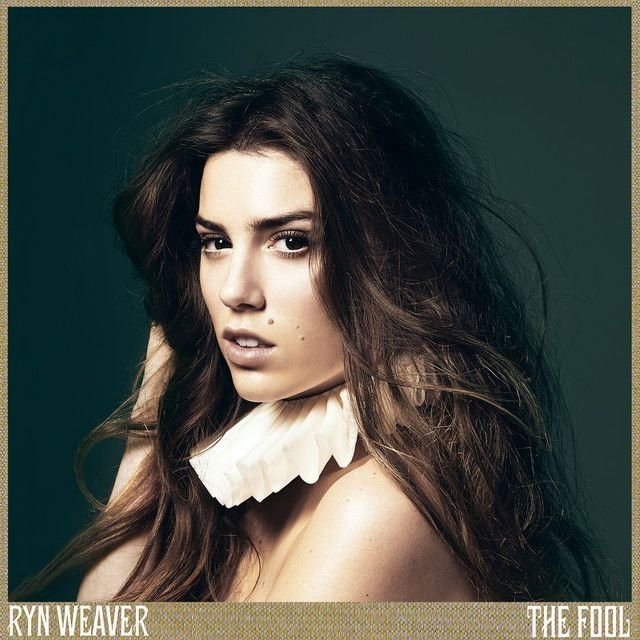
Fact: The track appears on Weaver’s 2015 debut album The Fool, written by Weaver (Aryn Wüthrich), Benjamin Levin (Benny Blanco), Michael Angelakos, and Ryan Tedder, with production by Blanco and Angelakos. That team’s pop instincts sharpen the song’s tension between sweetness and speed.
From Deep Cut to Everywhere: Cultural Afterlife
“Pierre” first lived as an album standout in 2015. Years later, it found a second life on TikTok in 2021, soundtracking quick-cut trends and mini-drama edits. The surge pushed it onto charts in the UK and Ireland and earned a Silver certification in Britain. It also popped up in the TV series Quantico, proof that the song’s sprinting heart fits montage-ready moments.
Interpretation: The virality makes sense. The song compresses a movie’s worth of scenes into one hook-laced sprint. It feels like motion you can dance to, which is exactly how people used it.
Ambiguity That Keeps It Interesting
One reading sees empowerment: she’s done being “the fool,” choosing short, low-stakes love while she heals. Another reading leans tragicomic: she’s stalling, lying to the ex and maybe to herself, because the past still tugs. The title character, Pierre, is less an endgame than the most tender stop on the way out.
Both sit comfortably in the song. The unresolved countdown—those hopes that what she says “may come true”—keeps the door cracked between bravado and vulnerability.
Quick Takeaway: A Sprint That Learns to Pace
The meaning of Pierre Ryn Weaver lands here: it’s a portrait of boundaries under pressure. The verses chase novelty; the chorus draws a hard line. That push-pull—reckless image against careful refrain—makes the song feel honest and alive.
Disclaimer: Song meanings are interpretive and may vary by listener; this analysis blends lyrics with public context and credited personnel.









