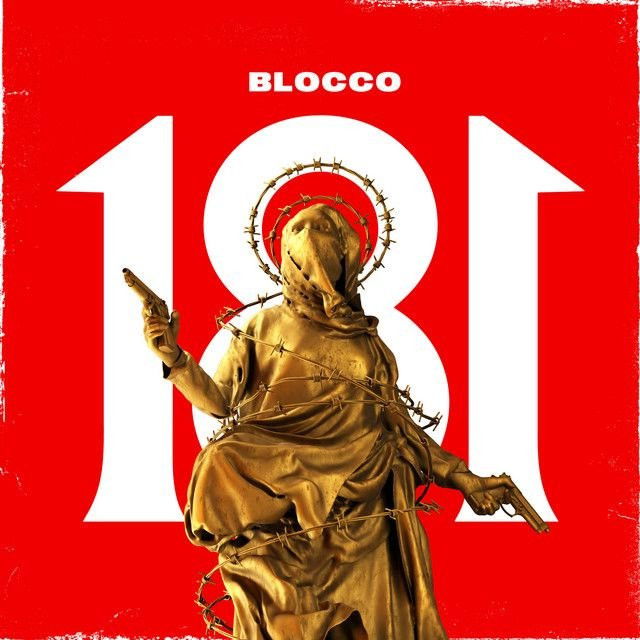
181 by Salmo, Drillionaire, Verano
The meaning of 181 Salmo, Drillionaire, Verano comes down to pressure. The song sounds like a street thriller, but underneath the tough details it is really about living in a cycle of fear, speed, and self-made ruin.
"181" - Salmo, Drillionaire, Verano
(Diego) Yeah, yeah, yeah, ah
Yeah, yeah, yeah, ah (Lebon al mic)
Loading lyrics...
Unable to load lyrics
We're unable to display the lyrics at this time. Please try again later.
Rather than telling one clean story, they build a world. In that world, every move feels risky, every promise feels temporary, and survival comes before peace. The result is a song that feels hard on the surface and haunted underneath.
A street narrative with no real escape
At first, the narrator seems focused on action: meetings, deals, hiding tracks, and staying alert. Details like a broken watch crystal and cold sweat create a body-level sense of stress. They are not relaxed or victorious. They are stuck in motion.
That matters because the song never presents crime as stable success. Even when the speaker sounds confident, the lyrics keep returning to danger. They mention changing the SIM card, moving fast, and staying masked. Those details suggest a life built on improvisation, not control.
A key phrase is fuori dal mio blocco
. In plain terms, the hook warns others to stay out of their area. But it also does more than mark territory. It turns the “block” into a symbol of identity, fear, and constant defense.
Watch the official 181
music video
The hook turns place into fate
The chorus is repetitive on purpose. Repeating blocco
again and again makes the song feel trapped inside one mental and physical space. They are not just from the block; they are enclosed by it.
Interpretation: this is why the chorus matters so much. It sounds like a threat, but it also feels like a prison wall. The more the word repeats, the smaller the world becomes.
That gives the song its tension. The narrator protects their zone, yet the zone is also what keeps them from growing beyond it.
Violence is presented as routine, not heroic
The song uses sharp images to show how normalized danger has become. Street exchanges happen near nightlife spaces, and the background is full of blades, sirens, and retaliation. The line with bala-clava
reduces identity to a mask and a weapon. That is not freedom; it is dehumanization.
Another phrase, ratatatata
, sounds almost cartoonish at first. But in context, it shows how violence has become a reflex. Problems are not solved through trust or patience. They are answered with force.
This is where the song becomes darker than a simple crime anthem. The lyrics are full of swagger, but the emotional weather is bleak. They sound sleepless, hunted, and emotionally detached.
The most revealing lines are the most tired ones
The strongest clues about the meaning come when the bravado slips. The narrator says they look like a ghost from lack of sleep, and later they admit the life often swallows them. That is the emotional center of the track.
One of the clearest lines is Ogni criminale è boia di se stesso
. In English, the idea is that every criminal becomes their own executioner. That does not glorify the lifestyle. It frames it as self-destructive.
There is also a striking confession in Mi sono perso
. After all the fast movement and hard talk, the final truth is disorientation. They are not arriving anywhere. They are getting lost.
A hint that the song knows it is performing
One especially interesting moment says they can invent a sad song and invent a story that does not exist. That line opens up an alternate reading.
Interpretation: the narrator may be both inside the street narrative and acting it out. In other words, they may be showing how crime stories become performances in rap, film, and reputation. If so, “181” is not only about street reality. It is also about the roles people learn to play to survive or seem untouchable.
That idea fits Salmo’s broader artistic style. He is widely known for blending rap with theatrical, dark, and cinematic presentation across his career, while producer Drillionaire has helped shape major Italian rap records, including charting collaborations with artists such as Lazza on tracks like Bon ton and soundtrack cuts tied to Blocco 181 Wikipedia.
Why the production feels like a chase scene
Drillionaire’s beat is central to the song’s meaning. The production feels cold, minimal, and pressurized. Instead of sounding warm or triumphant, it leaves lots of space for tension.
That kind of instrumental design supports the lyrics perfectly. The percussion hits like a warning signal, and the dark melodic layer feels urban and nocturnal. They do not sound like they are celebrating a win. They sound like they are scanning for danger.
Verano’s presence also helps the atmosphere. Even without a huge melodic release, the vocal texture adds a blurry, late-night feeling. The track becomes cinematic, almost like a scene from a crime series where nobody is fully safe.
Final take on the meaning of 181 Salmo, Drillionaire, Verano
So, what is the meaning of 181 Salmo, Drillionaire, Verano? It is a song about territory, criminal routine, and the emotional damage caused by living under constant threat. Its hook sounds aggressive, but its deeper message is much sadder.
They present a world where toughness is necessary, but never enough. The more the narrator tries to control the street, the more the street controls them.
This interpretation is based on the lyrics, performance, and available artist context. As with any song, listeners may hear different meanings in the same lines.








