What 'Writing's on the Wall' Really Means
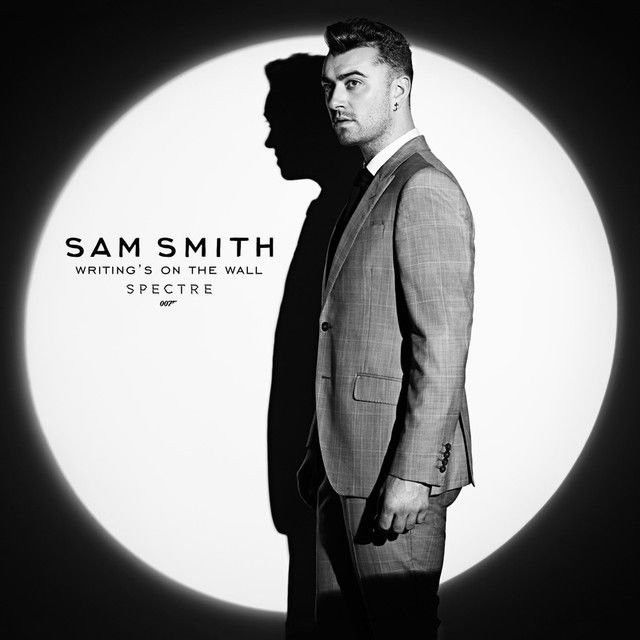
The meaning of Writing's On The Wall Sam Smith starts with a simple idea: love can feel like surrender. In this song, they frame romance not as comfort, but as a leap into danger. That makes sense, because the track was written for the 2015 James Bond film Spectre and released on September 25, 2015. It was co-written by Sam Smith and Jimmy Napes, with production by Napes, Steve Fitzmaurice, and Disclosure as co-producers, according to the available release history and credits.
"Writing's On The Wall" - Sam Smith
But always hit the floor
I've spent a lifetime running
Loading lyrics...
Unable to load lyrics
We're unable to display the lyrics at this time. Please try again later.
A Bond Theme Built on Fear
Factually, this is a Bond theme, and that context matters. Smith said they were given the Spectre script and quickly wrote the song with Jimmy Napes. Reports note the song was written in under half an hour, and Smith later called performing the theme one of the highlights of their career.
That speed may explain why the emotion feels direct. Instead of building a complex story, the lyric locks onto one feeling: being used to escape, then suddenly wanting to stay. When the singer admits they have spent a lifetime running, the core conflict is already clear. Love is not new, but this level of vulnerability is.
Interpretation: The song works on two levels at once:
- a personal love ballad about emotional risk
- a Bond-style confession where attachment becomes dangerous
That double meaning is what gives the song its tension.

Watch the official Writing's On The Wall
music video
The Narrator Stops Running
The verses describe someone who knows their own patterns. They have been hurt before, and they usually protect themselves by leaving first. The phrase hit the floor
suggests repeated collapse, while want to stay
marks the turning point. They are no longer dealing with a passing attraction. They are confronting a feeling strong enough to change their instincts.
This is where the song becomes more than a movie theme. The narrator is not fearless. They are deeply aware of the cost. When they say a storm is coming, the line points to emotional fallout, not just outside danger.
How do I live? How do I breathe? When you're not here I'm suffocating
That is the song's one allowed lyric centerpiece because it captures the emotional logic of the whole track. The speaker is not simply in love. They feel dependent, overwhelmed, and close to losing control.
Why the Chorus Feels So Dramatic
The chorus turns romance into a test of survival. Short phrases like risk it all
, break my fall
, and suffocating
push the emotion toward crisis. The singer is asking whether love will catch them or destroy them.
Interpretation: In a normal pop ballad, this could sound exaggerated. In a Bond song, it sounds exactly right. Bond themes often connect desire with danger, and this one does it by making emotional exposure feel as high-stakes as a mission.
The title phrase writing's on the wall
matters here too. The expression traditionally means the warning signs are already visible. So the singer is not blind. They know this path could end badly. They move forward anyway.
Symbols of Damage and Fate
One of the strongest images is million shards of glass
. The lyric points backward, toward pain that still follows the speaker. Glass suggests memories that cut, flash, and break apart. They are fragments of old hurt, not a single wound.
Then the song shifts to stars gathering and light fading. Those images widen the frame. The emotion is no longer just personal; it feels cinematic, almost cosmic. That scale is important in a Bond theme. The song is trying to sound intimate and huge at the same time.
Interpretation: The main symbols connect to three themes:
- running: self-protection and emotional avoidance
- falling: the fear of trusting someone completely
- writing on the wall: the sense that fate has already spoken
Together, they create a love song about seeing disaster coming and still stepping closer.
How the Sound Carries the Meaning
The production helps sell that feeling. The track is widely described as orchestral pop, with piano, swelling strings, and restrained brass. Reports on the recording also note that Disclosure added subtle modern touches to what was originally a classic piano-and-orchestra arrangement.
That blend matters. The slow pace and sparse opening leave space for tension, while the orchestra makes every emotional turn feel larger. Smith's vocal is the center of the record: tremulous, high, and strained in a deliberate way. They even said the song was "horrible to sing" because the notes were so high.
That difficulty actually supports the meaning. The vocal sounds like someone reaching past safety. The performance is not smooth for the sake of elegance; it feels stretched, which mirrors the lyric's fear and need.
Reception, Success, and Lasting Meaning
Critically, the song got mixed reviews. Some writers admired its restraint, while others felt it did not match the iconic force of earlier Bond themes. Still, it made history by becoming the first Bond theme to hit No. 1 on the UK Singles Chart, and it later won both the Golden Globe and the Academy Award for Best Original Song.
That split reception is interesting because it matches the song itself. It is not trying to be swaggering or cool. It makes Bond sound exposed. Smith said they wanted vulnerability in the character, even as director Sam Mendes made sure he did not sound weak.
That may be the best way to understand the meaning of Writing's On The Wall Sam Smith. It is a song about what happens when a person built for escape meets a feeling they cannot outrun. In that moment, love becomes prophecy, danger, and surrender all at once.
Final Take: Love as a Point of No Return
At its heart, the song is about choosing connection despite fear. It sees intimacy as a fall, but also as the only honest way forward. In Bond terms, that is dramatic. In human terms, it is familiar.
This article offers an interpretation based on the lyrics, the film context, and documented comments about the song's creation. Different listeners may hear its meaning differently.








