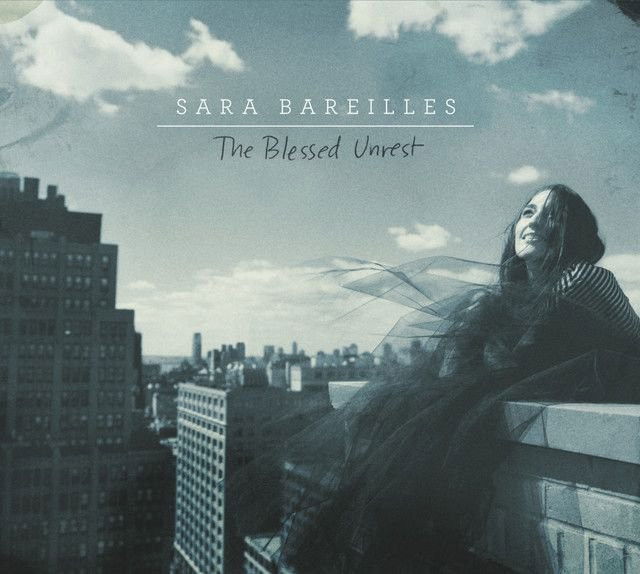
Brave by Sara Bareilles
They know the chorus by heart, but the meaning of Brave Sara Bareilles offers is deeper than an uplifting hook. It’s a pep talk with a mission: speak the truth, even when it’s hard.
"Brave" - Sara Bareilles
You can turn a phrase into a weapon or a drug
You can be the outcast
Loading lyrics...
Unable to load lyrics
We're unable to display the lyrics at this time. Please try again later.
A pop pep talk with a purpose
Bareilles co-wrote Brave with Jack Antonoff and released it in 2013 on The Blessed Unrest. She has said the song was inspired by a close friend working up the courage to come out. That context frames Brave as more than generic motivation; it’s about making space for identity, truth, and community.
From the first verse, the song names how language can harm—how people can turn a phrase into a weapon
. Then it flips the script: the cure for harmful speech isn’t silence, it’s honest speech. That’s the anchor of the track’s message.
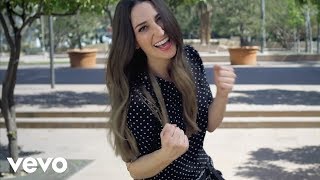
Watch the official Brave
music video
What the song is really saying
The chorus invites action, not perfection. It doesn’t ask for the right words, only for real ones. The hook feels like a friend cheering from the sidelines—firm, warm, and persistent.
Say what you wanna say And let the words fall out Honestly I wanna see you be brave
Interpretation: The refrain removes the fear of getting it wrong. “Let the words fall out” suggests that vulnerability—speaking before everything feels tidy—is itself an act of courage.
Lines that map the journey
start speaking up
: The turning point arrives when they choose voice over fear.a way out of the cage
: Fear feels like confinement; truth is the key.let the light in
: Naming what’s real beats back shame and shadow.your history of silence
: The pattern that protected them now holds them back.
These images track a move from inner pressure to public selfhood. The song argues that bravery isn’t the absence of fear—it’s motion through fear.
Who is speaking, and to whom?
The narrator addresses a specific “you,” not a crowd. That second-person stance makes Brave feel intimate—like a friend sitting beside them before a hard conversation. Lines such as your history of silence
sound like someone who knows their story. Interpretation: the singer becomes a stand-in for any ally urging someone toward self-acceptance.
How sound turns courage into motion
Musically, Brave is crisp power pop. The tempo sits around a mid-pace sweet spot that feels like walking forward with purpose. Piano chords punch like exclamation points, while four-on-the-floor kick and handclaps create lift. Stacked vocals in the chorus mimic a supportive crowd, turning one voice into many.
The arrangement mirrors the lyrics’ psychology. Verses carry tension—tight rhythms and conversational melody—then the chorus opens wide, as if a window lets air in. On the bridge, when Bareilles challenges that silence won’t help, the band drops back just enough to spotlight the words, then surges into the final choruses. Form follows feeling: courage grows louder.
Cultural context and reception without the noise
Brave was positioned for radio without losing Bareilles’s piano-pop core, and it worked. It became a multi-platinum hit in the United States and earned a Grammy nomination for Best Pop Solo Performance. The video—directed by Rashida Jones—captures everyday bravery with people dancing in libraries, malls, and bus stops. Ordinary spaces become stages for authenticity.
A side story arose when another pop anthem with a similar spirit sparked comparison chatter. Bareilles downplayed the drama and emphasized that both songs push positivity. That response fits the song’s ethos: refuse distraction; keep telling the truth.
Alternate angles listeners hear
- Interpretation: Anti-bullying. The song reads as a call to confront cruel speech with candor and boundaries rather than retreat.
- Interpretation: Mental health. The “cage” can be anxiety or shame; naming feelings becomes the first step toward help.
- Interpretation: Creative courage. For artists, “let the words fall out” means sharing drafts, not waiting for perfect.
Each reading centers the same core: honesty as liberation.
The takeaway they carry
Brave turns a private nudge into a public anthem. It tells them that truth-telling may shake them, but it won’t break them. When they risk voice, they model freedom for someone else who needs to hear it.
Disclaimer: Song meanings are subjective. This analysis reflects one informed interpretation and available context; listeners may connect with different nuances.
Sources
- https://en.wikipedia.org/wiki/Brave_(Sara_Bareilles_song)
- https://www.usnews.com/news/articles/2013/04/26/jack-antonoff-on-the-civil-rights-anthem-brave
- https://www.billboard.com/music/pop/sara-bareilles-brave-video-1561442/
- https://www.riaa.com/gold-platinum/?tab_active=default-award&ar=Sara+Bareilles&ti=Brave
- https://abcnewsradioonline.com/music-news/2013/10/24/sara-bareilles-on-roar-controversy-im-not-mad-so-why-is-ev.html
- https://www.today.com/health/cyndi-lauper-sara-bareilles-true-colors-brave-mashup-1D80185877








