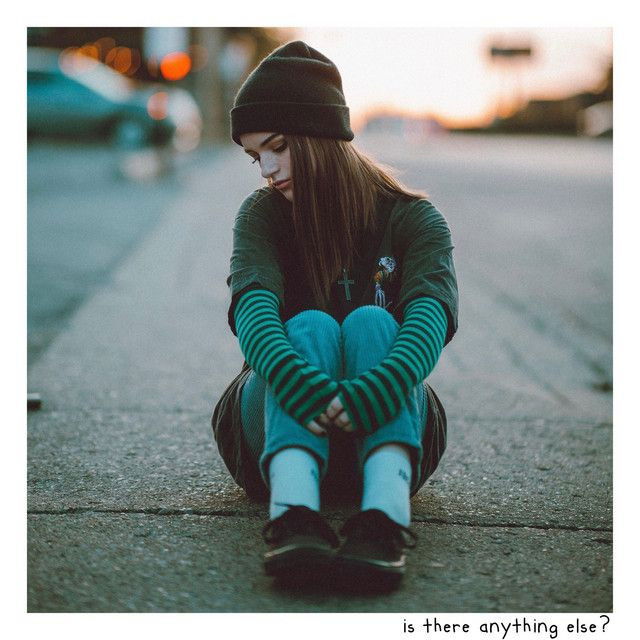
Why "Is There Anything Else?" Hits So Hard
The meaning of Is There Anything Else? Sara Kays comes into focus almost immediately: this is a song about what happens when love starts to feel like a performance review. Instead of feeling chosen, the narrator feels measured against other women, then slowly begins measuring themself through the same cruel lens.
"Is There Anything Else?" - Sara Kays
But usually you're looking past me
At somebody else
Loading lyrics...
Unable to load lyrics
We're unable to display the lyrics at this time. Please try again later.
What makes the song sting is that it does not stay in heartbreak alone. It moves from self-doubt to clarity. By the end, the question in the title turns back on the relationship itself, exposing how unhealthy it is to keep asking what more a person should change to be worthy of love.
A Breakup Song Disguised as a Question
At first, the narrator notices a painful pattern. The partner is physically present, but emotionally elsewhere, looking past me
and toward somebody else
. That small image says a lot. They are not just being ignored; they are being compared.
From there, the song shows how comparison changes the narrator’s inner voice. They start cataloging another woman’s looks and wondering whether becoming more like her would finally make them lovable. This is the heart of the song’s tension: they are not asking what they want, only what would make the other person stay.
Interpretation: The title question is not really a request for advice. It sounds more like a breaking point. Every new imagined change reveals the emotional cost of trying to fit someone else’s ideal.

Watch the official Is There Anything Else?
music video
The Verses Track a Collapse in Self-Image
Sara Kays structures the lyrics like a chain reaction. First comes observation, then comparison, then self-editing. The narrator sees the partner’s attention wandering, studies the woman receiving that attention, and begins to believe appearance might be the solution.
That is why details about hair, body, and agreement matter so much. The song is not only about jealousy. It is about the way insecurity spreads. It starts with one glance, then becomes a full theory: if they change enough, maybe the relationship can be saved.
A key phrase is your favorite color
. On the surface, it sounds small, almost harmless. But in context it becomes a symbol of identity loss. Even something as personal as hair color gets recast as a test of devotion.
The Chorus Turns Insecurity Into the Song’s Main Idea
The chorus is where the meaning of Is There Anything Else? Sara Kays becomes unmistakable. The narrator imagines changing their looks, shrinking their body, and even reshaping their personality to be easier to keep. The most painful part is that they do not present these ideas as absurd at first. They present them as possible solutions.
That is why the repeated question lands so hard. It implies there may never be an endpoint. If one change is not enough, there will always be another. The relationship becomes conditional, and the self becomes negotiable.
I turned around
And drove home
For the last time
This brief turning-point image is the emotional hinge of the song. Instead of arriving at the apartment and continuing the cycle, they leave. The drive becomes more than a literal action; it marks the moment they stop chasing approval.
The Final Verse Reclaims the Self
The ending flips the earlier lyrics in a smart, healing way. At the start, the narrator considers changing for the partner. At the end, they decide to dye their hair for their own preference instead. That reversal matters because it shows self-expression replacing self-erasure.
The song’s last message is simple but strong: love should not require constant modification. When the narrator says there is nothing that you can say
to make them change, they are not just rejecting one person. They are rejecting the whole idea that love must be earned through self-denial.
Interpretation: This is less a revenge ending than a recovery ending. The victory is not making the other person regret leaving. The victory is no longer needing their approval.
How the Sound Likely Supports the Lyrics
Based on Sara Kays’ singer-songwriter style, the song fits the emotional logic of intimate pop: clear vocals, direct phrasing, and a restrained arrangement that keeps the listener close to the narrator’s thoughts. Even without detailed production credits in the provided material, the lyric design suggests a setting where vulnerability comes first.
That matters because these words work best without clutter. A softer arrangement would let each question feel exposed, while a gradual lift near the end would mirror the narrator’s growing resolve. In songs like this, production does not need to overpower the message. It needs to frame the emotional turn from pleading to self-possession.
Why So Many Listeners Relate to It
This song speaks to a familiar modern anxiety: the fear that being loved depends on being optimized. The narrator does not just feel unattractive; they feel replaceable. That is a very current kind of heartbreak, shaped by comparison, image pressure, and the temptation to become more acceptable instead of more honest.
What makes the track memorable is that it names a thought many people have had but do not like to admit: would they stay if they looked different, talked differently, agreed more, needed less? Sara Kays builds the song around that uncomfortable question, then answers it with a healthier one—why should they have to?
The Lasting Meaning Behind the Question
In the end, the meaning of Is There Anything Else? Sara Kays is about recovering self-worth after emotional comparison. It captures the moment a person realizes that trying to become someone else will never create real security.
The song hurts because its insecurity feels believable. It heals because it refuses to let that insecurity have the final word.
Disclaimer: This interpretation is based on the lyrics provided and general artistic context. As with any song, listeners may hear meanings that differ from this reading.









