
Why "Gift" by Schmyt and RIN Feels So Hollow
The song turns a night out into a portrait of emotional anesthesia.
"Gift" - Schmyt, Rin
Provided by LyricFindIch nehme Gift
Ich reit' dem Untergang entgegen (Trapper)
Du reitest jetzt jeden (Tripper)Loading...Loading lyrics...
Unable to load lyrics
We're unable to display the lyrics at this time. Please try again later.
The Core of the Song’s Pain
The meaning of Gift Schmyt, Rin starts with its title. In German, Gift means poison, not a present. That one word frames the whole track: the speaker reaches for something harmful because it seems like the only way to function.
Factually, the song is a 2021 collaboration tied to Schmyt’s Gift EP, and it reached the German charts. Schmyt launched his solo career after the breakup of Rakede, and his work is often placed between pop, R&B, and hip-hop-adjacent ballad writing. Those details matter because this song sits right in that lane: intimate writing, but with the cold glow of modern nightlife. See the background summarized in the research source listed below.
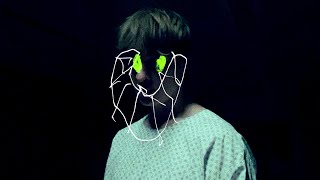
Watch the official Gift
music video
A Chorus Built on Denial
The hook gives the song its bluntest idea. The speaker insists they are fine, yet the next lines explain that being “fine” only happens when they are deeply intoxicated. When they say ich bin okay
, the phrase sounds less like truth and more like a survival script.
That is the song’s central irony. They do not describe healing, rest, or connection. They describe a state where sensation is dulled enough to keep panic away.
Interpretation: The chorus works like a lie repeated until it sounds believable. The song is not celebrating excess; it is exposing how dependence can dress itself up as stability.
The Nightlife Setting Is Not Freedom
The verses place the speaker in a club, ordering endlessly and watching the room spin around them. This should feel glamorous, but Schmyt writes it as damaged community. Everyone is hurt, and that shared brokenness feels strangely comforting.
One smart detail is the line about the clock trying to say it is already morning. The speaker refuses that signal. Time, consequences, and daylight all threaten to break the spell. The club becomes a bunker where reality is delayed.
When the lyric says Ich hänge im Club
, it sounds passive, almost lifeless. They are not dancing toward joy. They are lingering, suspended, avoiding what comes next.
The Body Tells the Truth
Much of the meaning of Gift Schmyt, Rin comes through physical language. The speaker describes being unable to walk properly, feeling partially numb, and later not even feeling their face. Those images matter because the body keeps revealing what the mind tries to deny.
Mein Herz zerbricht
Ich fühl' mein Gesicht nicht
This is the article’s only multi-line lyric quote, and even here the lines are short. Paraphrased, the idea is simple: emotional pain and physical numbness arrive together. The heart is breaking while the face goes blank.
Interpretation: That split suggests dissociation. The body is overloaded, but the inner self has checked out to avoid feeling the full force of grief, shame, or emptiness.
Fear Hides Under the Flexing
RIN’s contribution helps build the atmosphere of motion, status, and danger. There are references to ecstasy in the room, fast imagery, expensive imagery, and police risk. On the surface, those are common nightlife markers. Underneath, they make the setting feel unstable and spiritually thin.
One of the darkest lines is the admission that the speaker fears God and tomorrow’s hangover more than the room itself. That is important because it widens the song beyond partying. It is also about judgment, aftermath, and the morning after self-recognition.
The phrase Es geht mir fantastisch
lands with heavy sarcasm by the end. After all the damage described before it, the line reads like emotional theater.
How the Sound Carries the Meaning
Even without reproducing the full arrangement in technical detail, the song’s style supports its message. Schmyt’s music is often associated with moody, hybrid songwriting that blends ballad intimacy with hip-hop and R&B textures. That fits here: the production feels nocturnal and sleek rather than explosive.
That matters because a chaotic song would have made the track feel like a party anthem. Instead, the smoother atmosphere turns the intoxication into a fog. The beat moves, but the emotional center sinks.
Schmyt’s artistic background also helps explain this balance. According to the research source, he studied jazz and pop, and critics have linked his style to the so-called “Neue Deutsche Ballade.” In practical terms, that means he often writes with poetic compression but modern production framing. “Gift” is a strong example of that approach.
Two Strong Ways to Read It
A self-portrait of dependence
The most direct reading is that the song portrays substance use as self-medication. The repeated Ich nehme Gift
is shocking because it removes any romance. The speaker knows the cure is poison, but takes it anyway.
A critique of coolness itself
There is another plausible reading. The song may also be criticizing a social world where being detached, damaged, and chemically buffered passes for being in control. In that reading, the club is not just a place. It is a culture of performance.
Both readings can coexist. That is part of why the track lingers.
Why the Song Still Connects
What makes the meaning of Gift Schmyt, Rin resonate is its honesty about false relief. The speaker never truly escapes pain; they only postpone it. The song captures the moment when coping turns corrosive, and when saying “I’m okay” becomes its own warning sign.
For listeners in the United States who may not know Schmyt well, this track shows why he stands out. He writes like a confessional artist, but frames that emotion inside modern, stylish sound design. With RIN beside him, “Gift” becomes both intimate and socially sharp.
Final takeaway
“Gift” is about numbness mistaken for survival. It shows a person using poison to silence pain, while their body and language quietly confess the cost.
Disclaimer: This interpretation is based on the lyrics, performance, and available artist context. As with any song, meaning can remain open to multiple readings.








