Why 'Wanted You to Know' Feels Like a Break Point
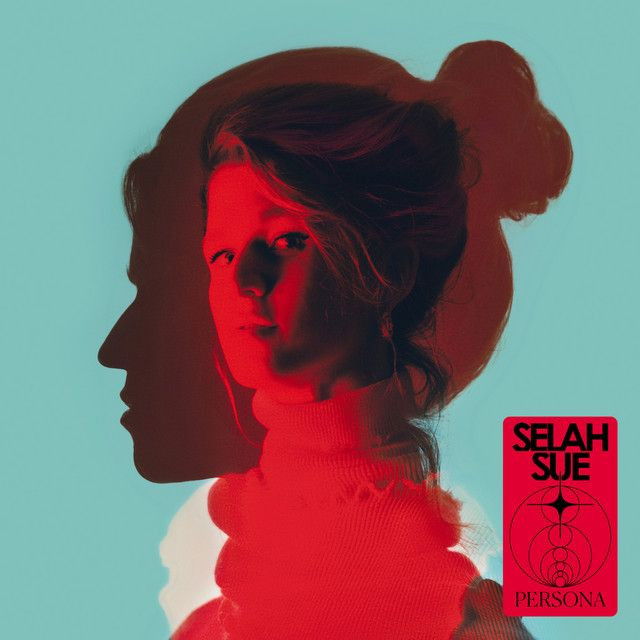
The meaning of Wanted You to Know Selah Sue, Damso centers on a person reaching emotional exhaustion and finally pushing back. The song sounds like a message to someone who drains their energy, but it also hints at something larger: pressure, fame, public expectation, and the cost of giving too much of the self away.
"Wanted You to Know" - Selah Sue, Damso
Sold them my soul tonight
Why would I compromise every time just for attention
Loading lyrics...
Unable to load lyrics
We're unable to display the lyrics at this time. Please try again later.
Selah Sue and Damso make that tension feel personal and heavy. One voice sounds fed up and clear-eyed. The other sounds wounded, angry, and trapped inside his own head. Together, they turn the song into a portrait of burnout that is also a declaration of survival.
The Core Message Hiding in Plain Sight
At its heart, the song is about control. The speaker feels manipulated, watched, and pulled off course. Early lines suggest they keep compromising for approval, even when that approval comes at a personal cost.
That is why short phrases like compromise every time
and just for attention
matter. They show a pattern, not one bad moment. The relationship in the song seems built on imbalance: one side demands, the other side bends.
Interpretation: The song can be read as a breakup story, but it also works as a wider statement about the music industry or public life. When the lyrics connect love, attention, and performance, they imply that emotional dependence and audience pressure may be tangled together.

Watch the official Wanted You to Know
music video
Two Voices, One Collapse
Selah Sue's sections feel direct and controlled, even when they describe suffocation. When they ask how they are supposed to breathe, the image is simple but strong. It shows a person whose space has been taken away.
Damso's verse adds another layer. His French lines describe speaking alone at night, feeling rage build, and carrying pain internally. Even without repeating those lines at length, the meaning is clear: this is not only frustration with another person. It is also a mental spiral.
What Damso Changes
His verse makes the song feel less like a single argument and more like a full emotional breakdown. He introduces isolation, inner violence, and the fear of being judged as unstable when he opens up.
That matters because it broadens the song's target. The problem is no longer just one lover or one enemy. It becomes a world that hears pain but does not really listen.
Why the Chorus Hits So Hard
The hook is simple, but that simplicity is the point. When the song says I can do it on my own
, it sounds like a turning point. The speaker has stopped bargaining.
The repeated title phrase also works like a final notice. They are not asking to be understood anymore. They are stating a fact. And when they add you keep messing up my flow
, the complaint is not only romantic. It is creative, emotional, and practical.
Interpretation: “Flow” may mean peace of mind, artistic rhythm, or personal momentum. In all three readings, the other person has become an obstacle to growth.
Fire, Breathing, and Power
The song's imagery is compact but revealing. One of the sharpest ideas compares the self to something combustible, with hints of fuel and matches. That image suggests danger, impulsiveness, and a situation that could easily explode.
The breathing image points to pressure and suffocation. The control image points to manipulation. Then, later, the language shifts toward action and recovery with phrases like watch me take control
and making dollars outta pain
.
That shift matters. The song begins in emotional damage and ends in transformation. Pain does not disappear, but it gets converted into motion, purpose, and even success.
How the Sound Supports the Meaning
Even without detailed public production notes, the writing itself suggests a modern, hard-edged pop and hip-hop blend. Selah Sue has long been known for mixing soul, pop, and alternative textures in her work, while Damso's style often leans toward intense, moody rap delivery. Those broader artist profiles are reflected here in the song's structure and tone.
The repeated chorus feels almost mantra-like, which reinforces the idea of someone trying to steady themselves. Meanwhile, Damso's section likely lands with more density and darkness, giving the track a drop in emotional light.
The Role of Contrast
The real engine of the song is contrast:
- calm statement versus inner chaos
- vulnerability versus anger
- being controlled versus taking power back
- pain as damage versus pain as fuel
That final contrast is the key to the ending. The song does not promise healing in a soft way. It promises resistance.
A Useful Way to Read the "You"
One reason the song stays interesting is that the “you” never has to mean just one person. It could be:
- a toxic partner
- a manipulative industry system
- the public or the masses
- even a destructive part of the self
The line about getting love only when pleasing others strongly supports this wider reading. Approval in the song feels conditional. That makes the relationship transactional, not nurturing.
Final Take on the Song's Meaning
The meaning of Wanted You to Know Selah Sue, Damso is about hitting an emotional limit and choosing self-possession over dependence. It captures the moment when pain stops being hidden and starts becoming a form of strength.
What makes the song compelling is that it never sounds fully healed. They still sound hurt. But they also sound awake, and that is the break point the title points toward.
Disclaimer: This interpretation is based on the lyrics provided and publicly known artist context. Like most songs, it can support more than one valid reading.









