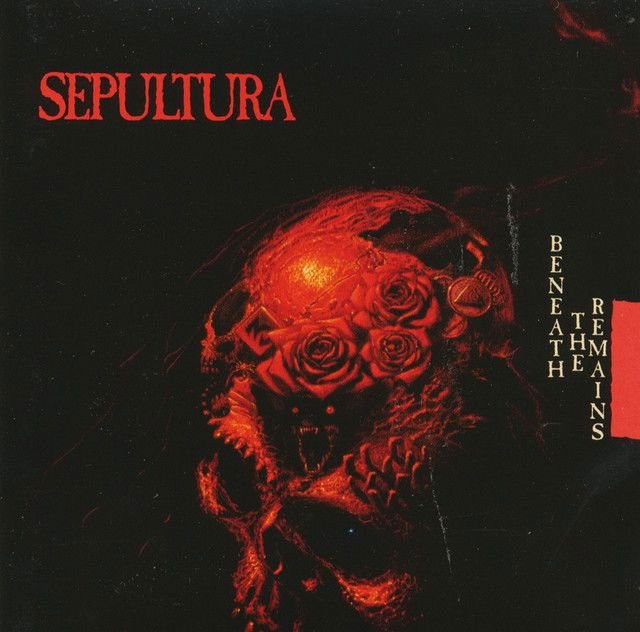
Sarcastic Existence by Sepultura
In this song, Sepultura turns one person’s collapse into a brutal picture of what it means to be alive without dignity.
"Sarcastic Existence" - Sepultura
Provided by LyricFindHumidity could be felt on the walls
Touched with the palm and used to scare
They used to sweat, they used to stinkLoading...Loading lyrics...
Unable to load lyrics
We're unable to display the lyrics at this time. Please try again later.
Why the meaning of Sarcastic Existence Sepultura hits so hard
The meaning of Sarcastic Existence Sepultura centers on isolation, decay, and the cruel feeling that life keeps going even when the self has already broken down. The lyrics place a suffering figure inside a hot, filthy room and show how physical surroundings mirror mental ruin.
This is not a song about heroic struggle. It is about being trapped. The opening images of walls that seem to sweat and stink create a closed space where discomfort never ends. From there, the song follows a person reduced to what the lyric calls a cold piece
, still alive but emotionally and mentally cut off.
Interpretation: the title suggests that existence itself feels mocking. Life continues, but it does not offer meaning, relief, or connection. That bitter gap between being alive and truly living is the song’s core idea.
Watch the official Sarcastic Existence
music video
A portrait of confinement, not just horror
Sepultura often used extreme imagery, but this lyric works because it feels human under the surface. The person in the room is not presented as a monster first. They are presented as someone abandoned by sanity, comfort, and social belonging.
The line about being trapped within its body
is especially important. It suggests a split between mind and flesh, as if the person is imprisoned inside their own existence. That makes the song read less like simple shock writing and more like a grim psychological portrait.
The outside world does not help. Through the window comes disgust and scorn
, which implies judgment from others. Instead of compassion, the figure receives contempt. That detail expands the song from private suffering to social rejection.
How the lyric moves from room details to total collapse
The song’s narrative is simple but effective. It builds meaning in stages:
- It starts with oppressive setting details: heat, humidity, smell, and rot.
- It narrows to a body lying in the corner, still technically alive.
- It shows a damaged mind that
could not think anymore
. - It adds fear, guilt, and constant pain.
- It ends in disgrace, hatred, and the phrase
sarcastic existence
.
That progression matters. The room is not just background. It acts like an external version of the character’s inner state. As the song goes on, the physical environment and mental suffering become impossible to separate.
To suffer alone in disgrace
His hate is his own
Always hating being alive
Sarcastic existence
This closing passage delivers the song’s emotional verdict. The person is not only in pain; they are locked into self-hatred. The final title phrase turns that misery into a worldview.
The role of fear, guilt, and shame
One reason the song feels so bleak is that the pain is not purely physical. The lyrics mention fear and guilt invading the room, which gives the suffering a moral and emotional dimension. The person seems haunted from within as much as crushed from outside.
Interpretation: the song may be describing severe mental illness, trauma, or a state of breakdown where memory and conscience become torment. The reference to thoughts of past sanity suggests a lost self. They remember another state of being, but they cannot return to it.
The phrase about hearing the laugh of a madman
deepens that idea. The laugh sounds less like freedom than collapse. It is the sound of a mind at its limit.
How Sepultura’s sound reinforces the meaning
Factually, “Sarcastic Existence” appears on Beneath the Remains, Sepultura’s 1989 breakthrough album, released through Roadrunner Records and produced with Scott Burns. The record is widely seen as a key moment in the band’s rise in extreme metal.
Musically, the song supports its theme through speed, tension, and abrasion. The guitars attack rather than soothe. The drumming pushes forward with almost mechanical force. Max Cavalera’s vocal delivery sounds harsh and urgent, which fits a lyric about distress and disgust.
Interpretation: the production style makes the song feel airless. Even when riffs open up, the overall effect is pressure. That matches the lyric’s room imagery, where there is no relief, only worsening intensity.
A wider social reading of the song
There is also a broader way to read the track. The person in the room may stand for anyone pushed outside normal society: the ill, the poor, the imprisoned, or the abandoned. The hostile gaze from the window matters because it shows spectatorship. People look, judge, and distance themselves.
In that reading, the song criticizes not only private misery but public cruelty. It asks what happens when a human being becomes something others can stare at but not care for.
That reading fits Sepultura’s larger history. Early in their career, they often channeled violence and chaos into songs that reflected social collapse, fear, and dehumanization. Here, they make that theme intimate.
What listeners should take from it
The meaning of Sarcastic Existence Sepultura is not hidden behind a puzzle. It is direct, but it gains depth from its imagery. The room, the damaged body, the lost sanity, and the judgment from outside all point to one idea: existence can feel cruel when suffering strips away identity and dignity.
That is why the song stays powerful. It is extreme, but it is also recognizable. Many listeners hear not just horror, but loneliness, stigma, and the bitter feeling of being alive in a state that no longer feels like living.
Disclaimer: This interpretation is based on the lyrics, recorded performance, and known context around Sepultura’s work. As with any song, listeners may hear meanings that differ from this reading.








