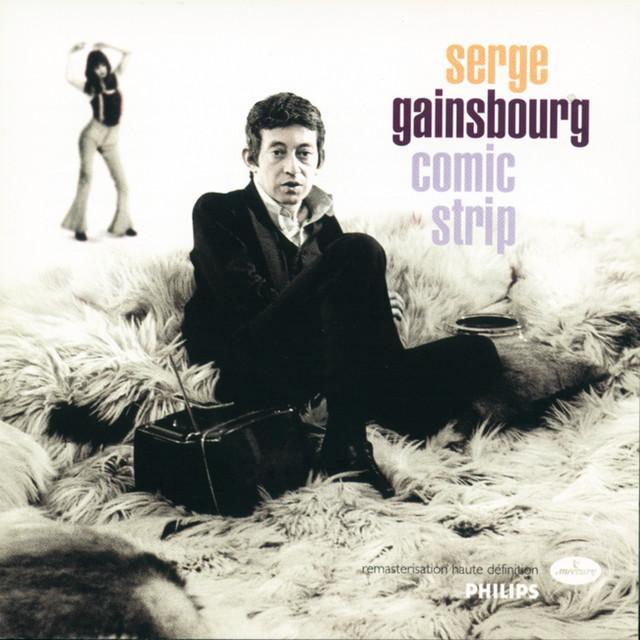
Why "Les sucettes" Is Serge Gainsbourg’s Sharpest Joke
The meaning of Les sucettes Serge Gainsbourg starts with a trick. On the surface, the song sounds bright, cute, and almost childish. It tells a simple story about Annie and her love of anise-flavored lollipops. But Serge Gainsbourg was known for writing songs with layered meanings, and this one is widely understood as one of his boldest double entendres.
"Les sucettes" - Serge Gainsbourg
Les sucettes à l'anis
Les sucettes à l'anis
Loading lyrics...
Unable to load lyrics
We're unable to display the lyrics at this time. Please try again later.
For American listeners hearing it in translation, that contrast is the key. The song works because its sugary pop style hides a more provocative idea. What sounds innocent at first becomes more unsettling the longer they sit with the words.
A Sweet Pop Song With a Sting
Factually, “Les sucettes” was written by Serge Gainsbourg and belongs to French pop. Its repeated focus on candy, taste, color, and pleasure gives the song a playful frame. Annie loves les sucettes à l'anis
, and the lyric keeps returning to flavor, kissing, and the act of sucking the candy.
That repetition matters. Gainsbourg does not just mention sweets once; he builds the entire song around them. Phrases like goût anisé
and elle est au paradis
move the song from simple description toward something more loaded. The language of taste and bliss starts to sound less like a snack and more like coded desire.
Interpretation: Most readers and critics hear the song as a deliberate sexual metaphor. The candy is not only candy. It becomes a prop for a joke about innocence, appetite, and male-written fantasy.
Watch the official Les sucettes
music video
How the Lyrics Build Their Double Meaning
The lyric is clever because it never has to say its hidden meaning directly. Instead, it piles up suggestive details. Annie’s kisses take on an anise flavor. The candy coule dans la gorge
. When only le petit bâton
is left, she runs back for more.
Each image is simple by itself. Together, they form a pattern that is hard to miss. Gainsbourg uses the language of consumption and satisfaction, then repeats it with a nursery-rhyme lightness. That contrast is what gives the song its bite.
There is also a deliberate imbalance in how Annie is presented. She is not explored as a full person with thoughts or motives. Instead, she is reduced to habits, tastes, and physical reactions. That flatness is part of the point. The song treats her almost like a pop-art figure, which makes the joke feel both catchy and cold.
Innocence as Costume
One reason the song still gets discussed is the way it stages innocence. Annie is linked with youth, sweetness, and simple pleasure. Even the pricing detail, pour quelques pennies
, makes the candy sound cheap and everyday.
Yet the lyric keeps pushing that innocence into something else. Her eyes match the candy’s color. Happy days are tied to the treat. Paradise arrives through the throat and tongue. Gainsbourg dresses the song in bright imagery, but the subtext keeps tearing through the costume.
Interpretation: This may be the song’s sharpest idea. It is not only making a dirty joke. It is also showing how pop culture can package desire inside childish images and sell it as harmless fun.
Why the Sound Matters as Much as the Words
The production style is crucial to the meaning of Les sucettes Serge Gainsbourg. If the music were dark or dramatic, the joke would be obvious too soon. Instead, the song leans into polished French pop: light rhythm, catchy melody, and a sing-song structure that feels almost innocent.
That musical sweetness works like camouflage. The arrangement supports the surface story about candy, while the lyric quietly points elsewhere. This split between sound and meaning is a classic Gainsbourg move. He often used elegance and charm to carry more provocative material.
The repetition also helps. Because the hook comes back so often, the song starts to feel like an advertisement or playground chant. That makes the hidden meaning feel even stranger. They are hearing something catchy and simple, but the subtext makes it difficult to hear the tune as truly innocent.
Serge Gainsbourg’s Persona Behind the Song
Gainsbourg built much of his reputation on wit, provocation, and verbal games. In that context, “Les sucettes” fits his broader artistic style. He liked songs that could live in two places at once: commercially appealing on the surface, but more troubling underneath.
That context matters because it helps explain why the song is still analyzed today. Listeners do not hear the innuendo as accidental. They hear it as crafted. The title image, the repeated references to taste and swallowing, and the smiling pop form all suggest control rather than coincidence.
For U.S. readers, it may help to think of the song as a pop confection with a satirical edge. It is catchy enough to pass as lightweight, but smart enough to expose how desire can be hidden in plain sight.
A Lasting Meaning Beyond the Shock
So what is the lasting meaning of Les sucettes Serge Gainsbourg? At its core, the song is about disguise. It uses candy to talk about sex, innocence to frame manipulation, and cheerful pop to deliver discomfort.
That is why the song has lasted. It is not memorable only because it is suggestive. It endures because it turns suggestion into structure. Every part of it—the repeated hook, the flavor imagery, the bright sound—supports the same central trick.
In the end, “Les sucettes” is less a novelty song than a study in how pop can smile while saying something far more complicated.
Disclaimer: This article separates factual information from interpretation. Because the song relies on innuendo and implication, some readings may differ from listener to listener.








