Why 'Ting-A-Ling' Feels Bigger Than a Hook
The meaning of Ting-A-Ling Shabba Ranks starts with motion. This is not a story song in the usual sense. Instead, it is a performance record: a burst of dancehall swagger, comic imagery, and crowd-ready rhythm that turns sound itself into the main event.
"Ting-A-Ling" - Shabba Ranks
What son tell 'em up? Is a Shabba thing. Suckling scene.(Ting-a-ling-a-ling)
Yard aand foreign kick up, Bruk wil'! (sing)
Loading lyrics...
Unable to load lyrics
We're unable to display the lyrics at this time. Please try again later.
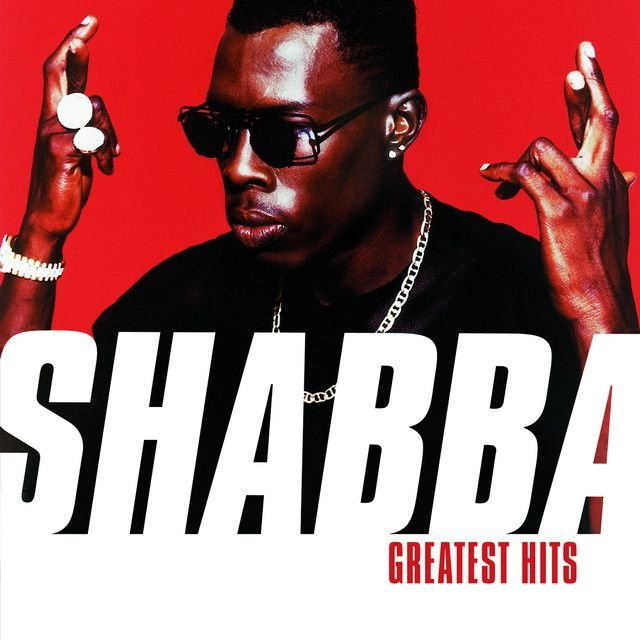
Shabba Ranks became one of dancehall’s most visible stars in the late 1980s and early 1990s, earning major crossover attention and even Grammy recognition for reggae releases, according to the Recording Academy and Encyclopaedia Britannica. That context matters here. “Ting-A-Ling” works like a star entrance. The song announces presence, style, and control before it worries about plot.
More Than Nonsense: The Core Idea
At first listen, the title phrase can sound like playful noise. But that is exactly the point. The repeated ting-a-ling
acts like a bell, a percussion hit, and a chant all at once. It makes the track feel physical.
Interpretation: the song is about how dancehall transforms ordinary sounds into shared excitement. A ringing bell becomes a rhythm. A kitchen image becomes a joke. A brag becomes a rallying cry. The lyrics keep turning daily life into performance.
That is why the song moves so fast between ideas like dancehall it swing
and schoolbell a ring
. Shabba Ranks links the dance floor to everyday Jamaican life. The track suggests that rhythm is everywhere, not just in the club.
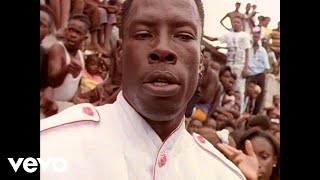
Watch the official Ting-A-Ling
music video
The Voice at the Center
A second big layer in the meaning of Ting-A-Ling Shabba Ranks is self-mythology. Shabba presents themself as untouchable, skilled, and born to lead. They call themself the general in di DJ army
, which places the song inside a classic dancehall tradition: the deejay proving authority through verbal force.
This is not unusual for the genre. Dancehall often uses competitive boasting, sharp humor, and bold persona-building. In “Ting-A-Ling,” those moves are exaggerated for fun. When Shabba says others cannot match their “quality,” they are not making a calm argument. They are staging dominance.
A Quick Map of the Song’s Main Moves
- The hook sets a playful, ringing groove.
- The verses shift into battle mode and bragging.
- The song then turns toward dancing, flirting, and crowd reaction.
- It returns to the hook, now sounding even bigger.
That structure matters. The chorus is simple, but the verses make it feel powerful.
Everyday Images, Big Crowd Energy
One of the smartest things in the song is how often it reaches for familiar, funny details. The line about knife and fork ah fight
over dumplings is comic and exaggerated. It paints hunger, excitement, and noise all at once.
Those images keep the song from feeling abstract. Instead of speaking only in tough-guy poses, Shabba Ranks fills the performance with scenes people can picture: bells ringing, food being chased, bodies moving, crowds reacting. The result is a song that feels lived-in.
Interpretation: these details also make dancehall seem communal. The song is not just about one performer being great. It is about a whole space coming alive around them.
Boast, Battle, and Dancehall Power
Shabba’s battle lyrics are part of the track’s identity. They position themself as the artist with the key, the authority, and the strongest will. Even when the wording gets cartoonish, the message is clear: they cannot be outclassed.
That helps explain the frequent contrast between quantity and quality. The song argues that real greatness is not about numbers alone. It is about command, voice, and impact. In that sense, “Ting-A-Ling” is both a dance record and a mission statement.
There is also a spiritual note in the verse that mentions strength from God. That line briefly lifts the song above club competition and places confidence in something larger. It suggests that Shabba’s power is not just ego, but destiny.
How the Sound Carries the Meaning
The production makes the message easy to feel. The rhythm is springy and repetitive, with a groove built for instant recall. The hook behaves like a drum pattern as much as a lyric. That is why it sticks.
Shabba’s vocal delivery does the rest. They do not merely rap or sing the lines. They punch them out. The voice snaps between chant, boast, and command, creating the sense that the performer is leading a room in real time.
Interpretation: this is why the song’s meaning cannot be separated from its sound. On paper, some lines look loose or absurd. In performance, they become kinetic. The record shows how dancehall values presence as much as language.
A Wider Cultural Snapshot
The song also reflects how dancehall reached beyond Jamaica while staying rooted in local style. Shabba names women from different places, widening the song’s scope while keeping its center in Jamaican performance culture. That blend helped explain their crossover appeal during the era, as noted in major artist biographies such as AllMusic and Britannica.
For U.S. listeners, that matters because “Ting-A-Ling” is not just a catchy novelty. It is a window into how dancehall humor, rhythm, and boasting work together.
The Lasting Takeaway
So, what is the meaning of Ting-A-Ling Shabba Ranks? At its heart, the song celebrates the power of rhythm to turn language into movement and personality into spectacle. It is playful, competitive, and proudly rooted in dancehall tradition.
The hook may sound simple, but the song uses that simplicity to build a whole world: everyday life, stage power, local humor, and pure kinetic release.
Disclaimer: This article offers informed interpretation based on the lyrics, performance style, and public artist context. Song meanings can stay open to different readings.








