Why 'Lovin' You' by Shanice Still Feels So Pure
A love song built on simplicity
The meaning of Lovin' You Shanice is simple on purpose: it presents love as calm, natural, and almost effortless. Rather than telling a dramatic story, the song stays inside a feeling. Its speaker is not chasing someone, arguing, or looking back in regret. They are fully present in affection, and that stillness is what gives the song its power.
"Lovin' You" - Shanice
Is easy 'cause you're beautiful
And lovin' you
Loading lyrics...
Unable to load lyrics
We're unable to display the lyrics at this time. Please try again later.
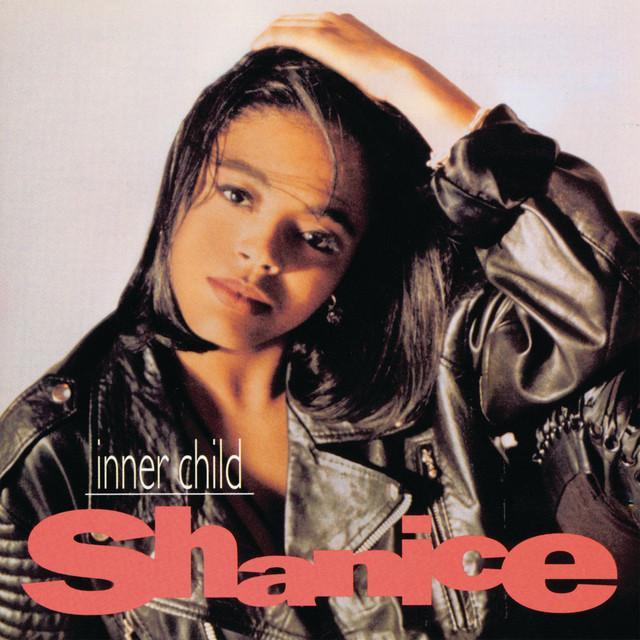
Shanice recorded her version for Inner Child in 1991, and Motown released it as a single in 1992. Her cover follows Minnie Riperton’s classic 1974 original, written by Minnie Riperton and Richard Rudolph and produced in its first version by Rudolph and Stevie Wonder, who was credited under a pseudonym. The original became a No. 1 hit on the Billboard Hot 100 in 1975, which helps explain why Shanice’s cover arrived with high expectations. In Shanice’s hands, though, the song is not just tribute. It becomes a showcase for youthful warmth and vocal control.

Watch the official Lovin' You
music video
What the lyrics are really saying
At the center of the song is a plain but powerful idea: loving this person feels right. When the lyric says is easy
, it does not mean love takes no work in real life. It means the emotional truth feels immediate and undeniable.
That feeling deepens with you're beautiful
. On the surface, that sounds like a comment on appearance. But the song quickly expands beyond looks. The speaker is not praising only a face; they are responding to a whole presence, something bright and life-giving.
A key line is I see your soul
. That phrase shifts the meaning from attraction to recognition. The song suggests that real love is seeing the inner self of another person and feeling changed by it.
The song’s emotional arc, line by line
Even though the lyric is brief, it still moves through a clear emotional path:
- First, it states love as a fact.
- Then, it describes the loved one as uniquely uplifting.
- Next, it imagines lasting commitment and growing old together.
- Finally, it returns to the same feeling with even more certainty.
That pattern matters. The song does not rush from crush to obsession. Instead, it moves from delight to devotion. When the lyric says grow old
, the meaning widens. This is not just a passing mood; it is a wish for a shared future.
The spring image is also important. The phrase each day in springtime
turns love into a season of renewal. Spring suggests freshness, color, warmth, and new life. In plain terms, the loved person makes ordinary life feel renewed.
No one else can make me feel
the colors that you bring
This is the song’s clearest image. It uses color as a metaphor for emotional richness. Love is not just pleasant; it changes perception itself.
How Shanice’s version shapes the meaning
A younger voice, a softer glow
Shanice was known for her wide vocal range, and critics noticed how well that fit this song. Billboard called her cover a “shimmering rendition” and said her youth gave it an “innocent quality.” That reaction helps explain why her version feels different from the original. Where Minnie Riperton’s performance often sounds serene and intimate, Shanice adds a more polished early-1990s sweetness.
This matters for interpretation. In Shanice’s version, the song can feel less like private domestic bliss and more like open-hearted admiration. Interpretation: they sing it as someone discovering how joyful love can be, not just someone settled into it.
Production that keeps the song floating
Narada Michael Walden produced Shanice’s cover, with drums and programming from Walden and keyboards/programming by Louis Biancaniello. That gives the arrangement more studio sheen than the famously sparse original, which was celebrated for its minimal mix, gentle electric piano, acoustic guitar, and near-total lack of percussion.
Even so, Shanice’s recording preserves the song’s lightness. The arrangement does not crowd the melody. Instead, it supports the central idea that love feels airy, bright, and unforced. The high notes are especially important. They do not exist just to impress. They make the emotion sound almost weightless, as if words alone are not enough.
Themes hidden inside a very short lyric
Because the song is so concise, each theme has to work hard. The main ones are:
- Devotion: The speaker centers their whole day around love.
- Inner beauty: The song moves beyond appearance toward soul-deep connection.
- Time: It imagines staying together into old age.
- Renewal: Spring and color suggest emotional rebirth.
The repeated vocal sounds also matter. The famous nonverbal passages, with their soft syllables and floating melody, act almost like emotion beyond language. They make the feeling seem pure, childlike, and instinctive.
Why the song remains so loved
The meaning of Lovin' You Shanice lasts because it resists irony. There is no twist, no hidden menace, no heartbreak waiting around the corner. It is a song that believes tenderness can be enough.
That honesty is harder to pull off than it seems. Many love songs need drama to stay memorable. This one survives on melody, tone, and clarity. Shanice’s version works because she understands that the song should not be over-sung emotionally, even when it is sung brilliantly technically.
Final takeaway
In the end, Shanice’s “Lovin’ You” is about love as peaceful recognition. It says the right person can make life feel colorful, gentle, and new. Interpretation: they present love not as chaos, but as ease, wonder, and quiet certainty.
That is why the song still connects. Its message is small, but it is not shallow. It turns simple words into a full emotional world.
Disclaimer: This interpretation blends documented context with informed reading of the lyrics and performance. Different listeners may hear the song in different ways.








