The Galway Girl by Sharon Shannon, Steve Earle
A chance meeting on the waterfront, a spin through town, and a goodbye that stings—this is the compact drama of Steve Earle’s “Galway Girl,” famously recorded with Sharon Shannon. For listeners in the U.S., the hook may sound like a pub anthem, but its pull comes from place, pace, and a memory that won’t let go. This guide explores the meaning of The Galway Girl Sharon Shannon, Steve Earle through story, symbols, and sound.
"The Galway Girl" - Sharon Shannon, Steve Earle
Of a day-I-ay-I-ay
I met a little girl and we stopped to talk
Loading lyrics...
Unable to load lyrics
We're unable to display the lyrics at this time. Please try again later.
A One-Night Spark With a Lasting Ache
At heart, the song is about love at first sight that doesn’t last. The narrator is traveling, meets a woman in Galway, and falls hard. The refrain centers on looks and energy—he can’t shake the image of her eyes were blue
—but the deeper theme is how a single night can brand a lifetime of travel.
Interpretation: The quick romance becomes a postcard of feelings. It’s bright, simple, and a little painful. When he later sings about a ticket home
, the line isn’t just logistics; it’s the cost of being a wanderer.
Voice and Viewpoint: The Outsider’s Crush
They hear a first-person narrator who’s charmed and slightly overwhelmed. He’s not in control; the repeated, almost helpless question what's a fella to do?
signals he’s being carried by the moment. That tone—half-grinning, half-smitten—keeps the story friendly and human.
Interpretation: He’s speaking to a buddy or to us, retelling the night the way people do after a trip: quickly, with highlight reels and sensory hits. That casual delivery makes the ending land softer but deeper.
What Actually Happens: A Quick Timeline
- A stroll on the
old long walk
sets the scene in Galway’s harborfront. - He meets the woman, they chat, and the chemistry is instant.
- They spin toward the coast at the
Salthill Prom
, a local landmark—romance mapped onto place. - Rain interrupts, she invites him upstairs, and the fling becomes real.
- By morning, he wakes alone with
a ticket home
—a traveler again, heart newly dented.
Each beat pairs movement with feeling. Walking, dancing, running for cover—the action mirrors the rush of attraction, then the stop-start of goodbye.
Why the Refrain Hits So Hard
The hook keeps circling back to the woman’s features and the dizzy energy of the night. Lines like lost my heart
act as fast, universal shorthand. He doesn’t philosophize; he summarizes. Interpretation: The chorus works because it reduces a complex, bittersweet memory to a handful of bright snapshots anyone can carry.
Symbols in the Rain: Landmarks, Weather, and the Twirl
- Place names: The
old long walk
andSalthill Prom
aren’t generic scenery; they pin the story to Galway, making the memory feel factual. For travelers, naming a street or pier makes a brief romance feel real and unshakable. - Weather: Rain is classic Irish atmosphere, but here it also accelerates intimacy. The sudden downpour nudges them inside, shifting flirtation into action.
- The dance: A quick spin—he “gave her a twirl”—turns the city into a dance floor. Interpretation: Dancing symbolizes the short, circular arc of the relationship itself—intense motion, then stillness.
- The ticket:
a ticket home
is both exit and epilogue. It’s a paper reminder that he belongs to the road as much as to any person.
How the Sound Sells the Story
Sharon Shannon’s button accordion leads a bright, reel-like melody, with fiddle and bodhrán pushing a steady pulse. The tempo is brisk but not frantic, the way an excited conversation feels. Acoustic guitar and possibly mandolin add chime and drive, keeping the arrangement buoyant and pub-ready.
Interpretation: The lively groove doesn’t deny the heartbreak; it reframes it. This is bittersweet joy—celebrating what happened, not mourning what didn’t. Steve Earle’s conversational vocal sits right on top of the tune, as if he’s retelling the night over a session set.
Beyond the Studio: How It Traveled
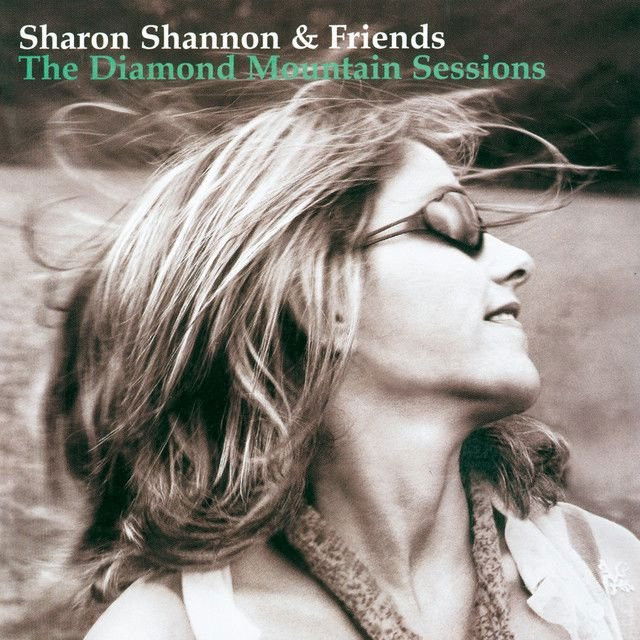
Steve Earle wrote the song and recorded it in 2000, collaborating with Sharon Shannon while spending time in Galway. It appeared on Earle’s Transcendental Blues and on Shannon’s The Diamond Mountain Sessions, helping it move between Americana and Irish traditional circles. In 2007, Shannon cut a live version with Mundy that took off in Ireland through national airplay, turning the tune into a modern session staple. The song also reached wider U.S. audiences through a key scene in the 2007 film P.S. I Love You.
These milestones matter to meaning. Each new setting—session, radio, cinema—recasts the story as communal memory. The narrator’s private night becomes something people sing together.
Other Readings and Why They Work
Some accounts suggest the “Galway Girl” was inspired by a real person and lean toward unrequited love. That fits the ending beat, but the lyrics also leave room for a simple travel fling that ends by schedule, not by rejection.
Interpretation: Whether unrequited or just brief, the feeling is the same—he can’t forget. The lasting image of her eyes were blue
turns the city itself into a keepsake.
Takeaway
For U.S. listeners stepping into Irish folk, this recording is a perfect gateway. The tune is upbeat, the story is clear, and the ache at the end gives it weight. In under four minutes, it captures how a place, a person, and a rainstorm can brand a heart.
Disclaimer: Song meanings are interpretive and may reflect one of several valid readings based on lyrics, context, and available commentary.









