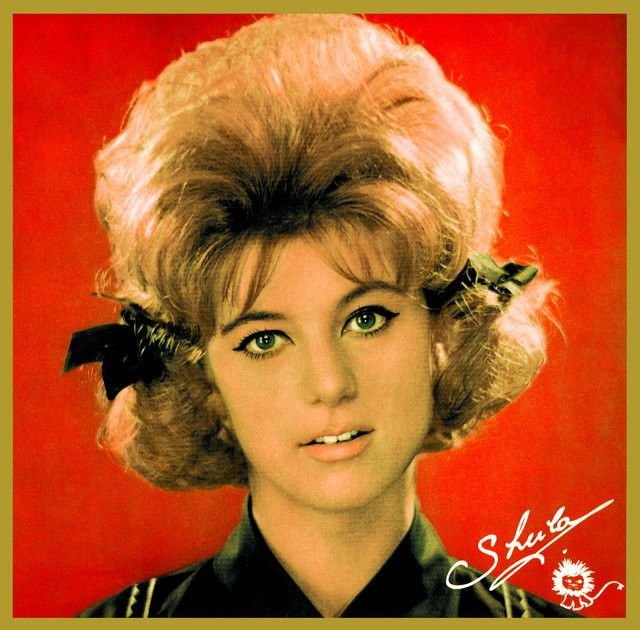
Why Sheila's 'Papa' Still Sounds Defiant
The meaning of Papa t'es plus dans l'coup Sheila comes through fast: this is a witty song about a daughter deciding that her father's old rules no longer fit the world she lives in. Instead of making that point through anger, Sheila delivers it with bounce, charm, and irony.
"Papa t'es plus dans l'coup" - Sheila
Papa, papa, papa, t'es plus dans le coup, papa
Tu m'avais dit, dès ma plus tendre enfance:
Loading lyrics...
Unable to load lyrics
We're unable to display the lyrics at this time. Please try again later.
The result is more than a novelty hook. It is a small generational drama, where advice meant to guide a child meets real life and starts to crack.
The Core Idea Hiding in the Joke
At the center of the song is a simple pattern. The speaker remembers lessons from childhood, then measures them against adult experience. Each time, reality looks messier than the neat moral sayings she was taught.
That is why the refrain matters so much. When she repeats t'es plus dans l'coup
, she is not only saying her father is out of touch. She is also announcing a shift in authority. The parent who once explained the world no longer seems to control its meaning.
Interpretation: the song is not anti-parent so much as anti-certainty. It pokes fun at the idea that life can be reduced to tidy proverbs.

Watch the official Papa t'es plus dans l'coup
music video
A Daughter Answers Back
The singer addresses her father directly, which gives the track its comic energy. The repeated cry of Papa
sounds childlike at first, but the verses steadily show someone speaking as an adult. That contrast is the song's engine.
She remembers hearing ideas about honesty, generosity, work, and romance. Then she responds with stories that undercut them. One moral about doing good is answered by a practical disaster involving a borrowed car. Another warning about love is brushed aside because her own happiness seems to prove him wrong.
This structure makes the speaker sound playful, not cruel. Even when she says he should retourner bien vite à l'école
, the line lands as cheeky teasing. She is correcting the teacher.
How the Verses Build the Song's Meaning
The narrative is easy to follow, and that simplicity is part of its strength:
- The father gives moral advice.
- The daughter grows up and tests it.
- Experience complicates every lesson.
- The chorus turns that gap into a verdict.
A few examples carry most of the meaning. One early section questions the old saying that bad gains never help anyone. Another jokes that helping others can backfire badly. Later, the song tackles the belief that hard work always protects health, only to answer with exhaustion instead.
The most revealing turn comes in the love verse. Her father warns that a certain boy is unreliable, yet she insists she is happy. There, the song stops being only social satire and becomes personal. She is not just rejecting advice in theory. She is defending her own right to choose.
The Chorus as a Generational Snapshot
The hook is catchy, but it also carries the whole theme. By repeating plus dans l'coup
, the song frames the father as someone shaped by another time. His values are not evil. They just do not seem to match the daughter's lived reality.
That idea connected strongly with 1960s pop culture, especially the youth-centered energy of French yé-yé music. Sheila became one of the era's best-known voices, associated with bright, youthful records and a public image built around teen appeal and modern style. That broader context helps explain why the song feels bigger than one family argument: it stages a cultural handoff from parents to children.
Why the Sound Feels So Important
The production style matters almost as much as the lyrics. This kind of French pop favored brisk rhythm, clear melodies, and a chorus designed to stick instantly. In a song like this, that lightness softens the message.
If the arrangement were dark or dramatic, the lyrics might sound bitter. Instead, the buoyant delivery makes disagreement feel fun. The singer does not seem crushed by life's contradictions. She sounds energized by discovering them.
Interpretation: that musical brightness suggests independence itself is thrilling. The daughter is not only correcting her father; she is enjoying the freedom to do it.
Irony, Not Rebellion for Its Own Sake
One reason the song still works is that it avoids a simple "parents are wrong" message. In fact, some of the father's advice still sounds reasonable. Being careful in love, working hard, and acting morally are not foolish ideas.
The humor comes from how unevenly those ideas survive contact with real life. The lyric about being dans un nuage
shows this perfectly. Love can make warnings feel irrelevant, at least for the moment. That does not prove the father is wrong forever. It only shows that lived feeling often beats distant caution.
So the song lives in tension. The daughter may be right now, but the listener can sense that experience may yet circle back and complicate her confidence too.
Final Take on the Meaning
The meaning of Papa t'es plus dans l'coup Sheila is best understood as a smart, upbeat portrait of generational change. It shows a young woman taking inherited rules, testing them against experience, and deciding that life is less tidy than parental wisdom suggests.
That is why the song remains appealing. Its jokes are light, but the theme is lasting: every generation eventually reaches the moment when it looks back at authority and says, with affection and boldness, that the old map no longer explains the road ahead.
Disclaimer: This interpretation is based on the lyrics, performance, and historical context. As with most pop songs, listeners may reasonably hear different shades of meaning.








