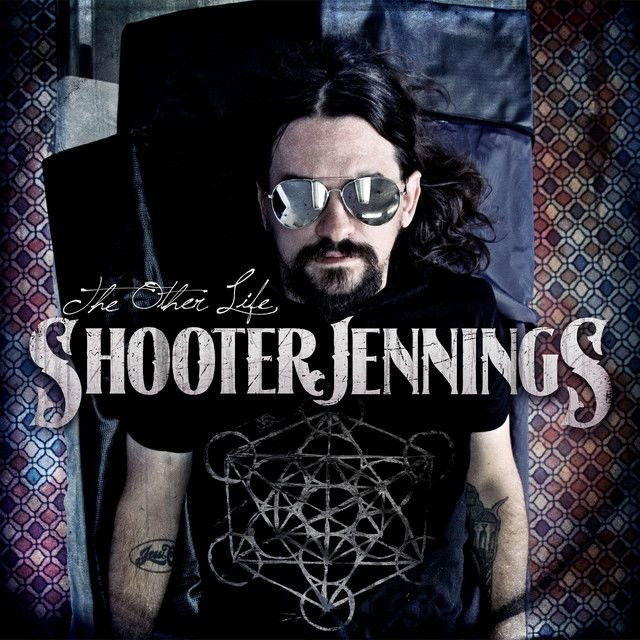
Outlaw You by Shooter Jennings
Why This Song Hits So Hard
The meaning of Outlaw You Shooter Jennings centers on one big idea: country music loses its soul when image matters more than honesty. The song is not a celebration of rebellion in the usual radio sense. It is a challenge aimed at artists who sell an outlaw look without living the artistic risk that made outlaw country matter in the first place.
"Outlaw You" - Shooter Jennings
Lookin' for some country soul, but I don't find it, no
It's a dirt road free for all, some old boys sayin' they're outlaws,
Loading lyrics...
Unable to load lyrics
We're unable to display the lyrics at this time. Please try again later.
Shooter Jennings, the son of Waylon Jennings, uses that family and genre history as both evidence and warning. They present a narrator who comes home, turns on the radio, and hears a version of country that feels manufactured. From there, the song becomes a sharp argument about authenticity, memory, and who gets to claim the outlaw label.

Watch the official Outlaw You
music video
The Core Meaning: Authenticity Over Costume
At its heart, the track says country identity cannot be bought, styled, or handed out by a marketing team. The narrator hears performers acting rough and independent, but to them, it sounds fake. That is why the attack is so pointed. The song mocks surface signals like hats, boots, and namedropping legends when the music underneath feels empty.
The key line of thought is summed up in the chorus. When the song says you can't buy true
, it makes the message plain. Truth in country music, as Shooter frames it, comes from lived experience, personal voice, and artistic conviction. It does not come from costumes or trends.
That is also why the insult big drum loop
matters. It is not merely a complaint about one production choice. It stands in for a larger fear: that polished commercial formulas can flatten the rough, human edge that outlaw country once defended.
A History Lesson Inside the Lyrics
Waylon as the song's moral center
The second verse widens the song from a personal complaint into a history lesson. Shooter points back to Nashville in the early 1960s, describing an industry that resisted originality. Then they place Waylon Jennings in that story as a figure who kept pushing until he broke through on his own terms.
This part is central to the meaning of Outlaw You Shooter Jennings because it explains what outlaw
originally meant. In the song, it does not mean acting wild for attention. It means resisting control, keeping a distinct sound, and winning freedom from a rigid system. That reading matches the broad story of the outlaw movement often told in country history, including the success of Waylon and the landmark Outlaw movement era.
Country ain't just about where you're at
It's about bein' true to what's inside
Those lines act like the song's thesis. They reject the idea that regional image alone makes someone country. The real test, according to the song, is inner truth.
Who the Song Is Talking To
The target is not one named artist. It is a type. The repeated address to a pretty boy
turns the song into a direct confrontation with polished industry products. Shooter creates a straw figure who looks the part but lacks depth.
Interpretation: This makes the song work on two levels.
- On the surface, it criticizes mainstream country trends.
- On a deeper level, it asks listeners how they judge authenticity at all.
That second question matters because country music has always balanced tradition, commerce, and performance. Shooter's argument is that performance becomes a problem when it replaces point of view.
How the Sound Supports the Message
The production helps carry the critique. “Outlaw You” leans on a tougher, rootsy country-rock feel rather than a slick pop-country gloss. The guitars have grit, the rhythm pushes forward with confidence, and Shooter's vocal delivery sounds amused, irritated, and proud all at once.
That matters because the arrangement practices what the lyric preaches. Instead of sounding delicate or overly polished, the song feels blunt and physical. It echoes the rebel tradition associated with Waylon Jennings, whose legacy strongly shapes Shooter's own public identity and catalog, including Shooter Jennings.
The hook is catchy, but it lands like a jab. Each return to the chorus hardens the song's verdict, making the listener hear the gap between real independence and packaged rebellion.
Bigger Themes Beneath the Insults
Though the song is funny and mocking, its themes are serious:
- authenticity versus branding
- tradition versus commercialization
- family legacy and artistic inheritance
- rebellion as principle, not fashion
Interpretation: There is also some gatekeeping here. Shooter is defending a version of country tradition and drawing a line around who belongs. Some listeners may hear that as necessary protection of the genre. Others may hear it as nostalgia pushing back against change.
That tension is part of why the song lasted. It is not just a complaint about bad radio. It is a debate about whether any genre can stay honest after the market learns how to package its symbols.
Final Take on Its Meaning
So, what is the meaning of Outlaw You Shooter Jennings? It is a protest song aimed at fake outlaw branding and a defense of country music as something earned through honesty, struggle, and individuality. Its historical references give the attack weight, and its rough-edged sound reinforces the point.
More than anything, the song argues that outlaw country was never about looking rebellious. It was about being unwilling to let the industry define the music. That is why its sharpest line of attack is not personal style. It is spiritual emptiness.
Disclaimer: This interpretation is based on the song's lyrics, historical context, and public artist background. As with any song, listeners may hear different meanings.







