Why “Sæglópur” Feels Like Returning From the Deep
The meaning of Sæglópur Sigur Rós begins with a small set of words and a huge emotional space. The title is often understood as “lost at sea” or “stray at sea,” and the lyric centers on someone who comes back alive. That simple image gives the song its power: survival is not presented as triumph alone, but as something strange, fragile, and almost dreamlike.
"Sæglópur" - Sigur Rós
Kominn heim
Sæglópur, á lífi
Loading lyrics...
Unable to load lyrics
We're unable to display the lyrics at this time. Please try again later.
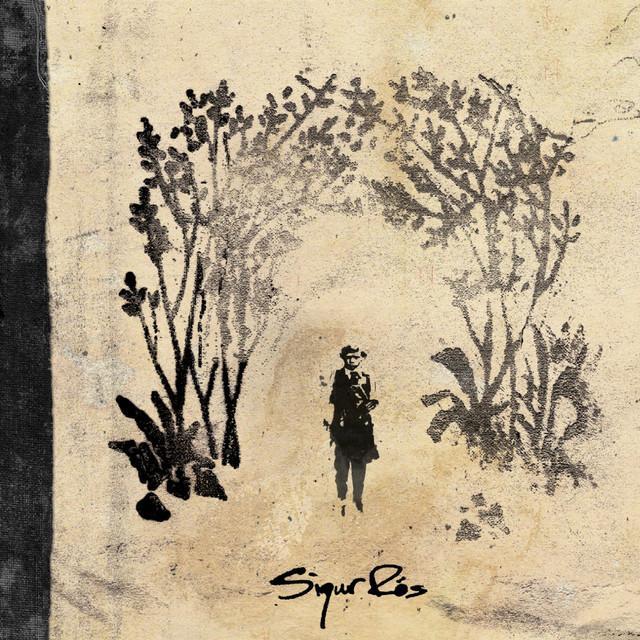
Sigur Rós released the song on their 2005 album Takk... and built it into one of their most dramatic recordings. Even before a listener translates the Icelandic lines, the music suggests danger, suspension, and release. The result is a song that feels less like a story being told and more like an experience being lived.
A Homecoming That Does Not Feel Easy
At the most direct level, the song describes return. The repeated phrases point to a seafarer who is alive
and has returned home
. There is also the image of a diver arriving, which expands the sense of a journey through deep, uncertain space.
That is the factual layer of the lyric. Interpretation: beneath it sits a deeper emotional meaning. This homecoming does not sound casual or peaceful. It sounds like someone has passed through fear, distance, or even a near-death state and is only now re-entering the world.
Because the words are so spare, each line carries extra weight. A return home can mean rescue, healing, or waking up after emotional numbness. In that sense, the song is not only about the sea. It may also be about finding one’s way back to life after being mentally or spiritually lost.

Watch the official Sæglópur
music video
The Sea as a Symbol, Not Just a Place
The title and imagery matter a lot here. A lost seafarer
is someone who has drifted beyond safety. The sea can represent nature, fate, grief, depression, or the unknown parts of the self. When Sigur Rós uses that image, they leave room for listeners to connect it to their own version of disorientation.
The diver image adds another layer. A diver moves downward into pressure and silence. Interpretation: that makes the song feel less like a simple rescue tale and more like a passage through hidden depths. Coming back from below can suggest recovery from buried pain or return from a state where words no longer worked.
This is one reason the song reaches people who do not speak Icelandic. Its images are archetypal. Sea, depth, return, and breath are emotional ideas almost anyone can feel.
How the Song Builds Its Meaning Through Sound
A big part of the meaning of Sæglópur Sigur Rós comes from the arrangement. The band starts with a delicate, suspended mood. Jónsi’s vocal floats rather than pushes, which makes the opening feel distant and exposed.
As the track develops, the drums and guitars grow more forceful. The song eventually swells into something loud and crashing, then holds that intensity. That dynamic arc mirrors the lyric’s emotional movement: isolation first, then impact, then survival.
This is where Sigur Rós is especially effective. They often use texture and volume as storytelling tools, and Kominn heim
lands differently because the music around it becomes more overwhelming. Home is not presented as a neat ending. It feels earned.
The band’s broader style also helps explain this effect. Their music often mixes post-rock scale with orchestral patience, and their official site presents them as a group shaped by atmosphere as much as song structure on sigurros.com. In “Sæglópur,” that approach turns a few repeated lines into a full emotional journey.
Why Repetition Makes the Song More Powerful
Some songs use many details to create meaning. “Sæglópur” does the opposite. It repeats a few core images until they begin to feel ritualistic.
A lost seafarer, alive
Has returned home
Those lines are simple, but repetition changes them. The first time, they sound like a report. By the next returns, they feel closer to reassurance, as if the song itself is trying to believe survival is real.
Interpretation: this may be why the track feels both beautiful and tense. Repetition here does not reduce mystery; it deepens it. The words keep circling the same truth because that truth is emotionally overwhelming.
Two Strong Readings of the Song
There is no need to force “Sæglópur” into one fixed meaning. At least two readings fit the lyric and sound.
Reading One: A Literal Survival Story
In this view, the song is exactly what it appears to be: a person lost at sea comes back alive. The diver image supports a dramatic rescue or return from danger. This reading honors the lyric’s directness and the physical force of the music.
Reading Two: A Metaphor for Emotional Recovery
This reading sees the sea as inward rather than geographic. The person who returns home has survived alienation, despair, or inner fragmentation. The music’s huge rise then becomes the feeling of re-entering life after being cut off from it.
Both readings can exist together, and that dual meaning is part of the song’s beauty.
Why the Song Still Hits So Hard
The lasting appeal of “Sæglópur” comes from contrast. It is minimal but enormous, vague but emotionally precise. Sigur Rós gives listeners very little literal information, yet they create a strong feeling of danger, wonder, and release.
For many listeners, the meaning of Sæglópur Sigur Rós is about the miracle and strangeness of making it back. Not everyone gets lost at sea, but almost everyone knows what it means to drift, to sink inward, or to hope for return.
That is why the song still feels universal. It turns survival into something sacred, uneasy, and deeply human.
Disclaimer: This interpretation combines confirmed lyrical content with informed analysis of imagery, sound, and context. As with many Sigur Rós songs, ambiguity is part of the experience, so different listeners may hear different meanings.








