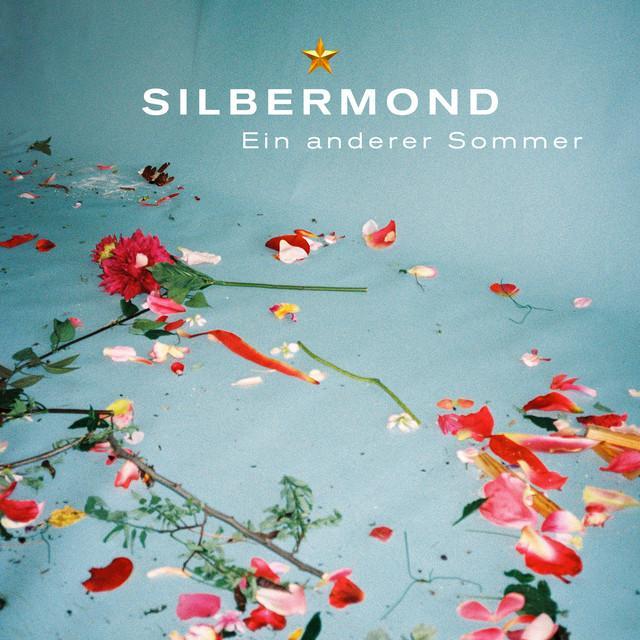
Why "Ein anderer Sommer" Hits So Hard
The meaning of Ein anderer Sommer Silbermond starts with a simple idea: some periods change everyday life so deeply that even a familiar season feels unfamiliar. In this song, Silbermond turns summer into a symbol of 2020, a year marked by isolation, masks, fear, and constant uncertainty. But they do not stop at documenting crisis. They also show how love and gratitude can survive inside it.
"Ein anderer Sommer" - Silbermond
Es war ein anderes Jahr
Kopfüber, seltsam
Loading lyrics...
Unable to load lyrics
We're unable to display the lyrics at this time. Please try again later.
A Summer That No Longer Feels Like Summer
At its core, the song is about disorientation. The repeated line about ein anderer Sommer
frames the whole track as a memory of a season that should have felt easy and open, but instead felt upside down. The phrase nichts wie es war
pushes that idea further: normal life did not just shift a little; it became something unrecognizable.
That is why the hook works so well. It is not only describing weather or time of year. It is describing a collective mood. Interpretation: Silbermond uses summer as a lost expectation. People expect freedom, travel, warmth, and closeness. Instead, they got distance, caution, and a sense that history had suddenly tilted.

Watch the official Ein anderer Sommer
music video
The Pandemic Context Is Not Hidden
Unlike songs that hint at global crisis in vague terms, this one names its moment directly with 2020 neu sortieren
. That lyric grounds the song in the first pandemic year and the social debates that came with it. The mention of masks and freedom makes the setting even clearer.
The line about masks is especially strong because it notices two emotions at once. People can still see love in someone’s eyes, but they can also see frustration. In other words, the song refuses simple positivity. It admits that care and anger lived side by side.
This balance is central to the meaning of Ein anderer Sommer Silbermond. The song is not saying the hard time made everything beautiful. It is saying that tenderness still mattered while public life felt strained.
The Emotional Center: A Relationship as Shelter
For all its social context, the song becomes most intimate when it turns toward another person. The lyric dankbar, dass ich dich hab'
changes the scale from society to one relationship. Suddenly the story is not just about a damaged year. It is about what helps someone endure that year.
That personal focus matters because it stops the song from becoming only a time capsule. Many listeners may not relate to every public argument of 2020, but they understand the need for one steady person when life feels unstable.
Why the "you" matters so much
The closing idea of leaning on someone’s shoulder and going day by day suggests a love song inside a crisis song. Interpretation: Silbermond may be arguing that survival in hard times is often less dramatic than people imagine. It is not about grand speeches. It is about having someone beside them while the future stays unclear.
Images That Carry the Weight
The verses use a few natural images to make the mood visible. Falling leaves on cold asphalt suggest that even the environment feels stripped of warmth. Migratory birds overhead hint at movement and change, but also at distance. Nature keeps going, while people feel suspended.
These images are effective because they do not over-explain. They quietly mirror the emotional season. A summer is ending, or perhaps it never truly arrived at all.
Keiner weiß was kommt
Keiner weiß was bleibt
Those two short lines capture the song’s clearest emotional truth: uncertainty. They also widen the message beyond one couple. No one knows what is next; no one knows what will remain. That is why the song feels communal rather than private.
How the Sound Supports the Message
Silbermond are known as a German pop-rock band built around Stefanie Kloß's expressive vocals and a direct songwriting style; the band’s official materials and major music profiles consistently frame them that way, and the song’s credits here list Stefanie Kloss, Thomas Stolle, Johannes Stolle, and Andreas Jan Nowak as writers. Even without production details confirmed in the provided context, the track’s likely strength lies in restraint rather than spectacle.
The melody supports the lyric’s push and pull between heaviness and endurance. A repeated chorus gives the song a reflective, almost diary-like quality, while the vocal delivery keeps it human instead of distant. Rather than sounding chaotic, the arrangement feels controlled. That choice fits the message: the world may be unsettled, but the song is trying to hold itself together.
Interpretation: If listeners hear calm instrumentation around uneasy words, that contrast may be intentional. It suggests coping. The feelings are messy, but the act of singing them gives shape to the mess.
More Than a Pandemic Song
It would be easy to reduce the track to a document of COVID-era life, but that misses part of its value. The song also speaks to any period when people look at familiar routines and realize they no longer fit. That is why the refrain keeps its power even outside 2020.
The final emotional turn is especially important. The narrator cannot say the year was only terrible. That is a mature idea. It does not erase pain. It simply admits that even in a broken time, love, gratitude, and closeness were real too.
Why the Song Still Connects
The meaning of Ein anderer Sommer Silbermond lies in that dual truth: a season can feel damaged, and still contain something worth keeping. Silbermond captures the public stress of 2020 without losing sight of private care. They turn one unusual summer into a memory of fear, endurance, and everyday devotion.
That is why the song lands so cleanly. It speaks in plain language, but it holds complicated feelings: confusion, frustration, tenderness, and hope. For many listeners, that mix may sound exactly like what that year felt like.
Disclaimer: This interpretation is based on the released lyrics and publicly known artist context. As with any song, some meanings remain open to individual listeners.








