Why Silbermond's 'Träum ja nur' Still Matters
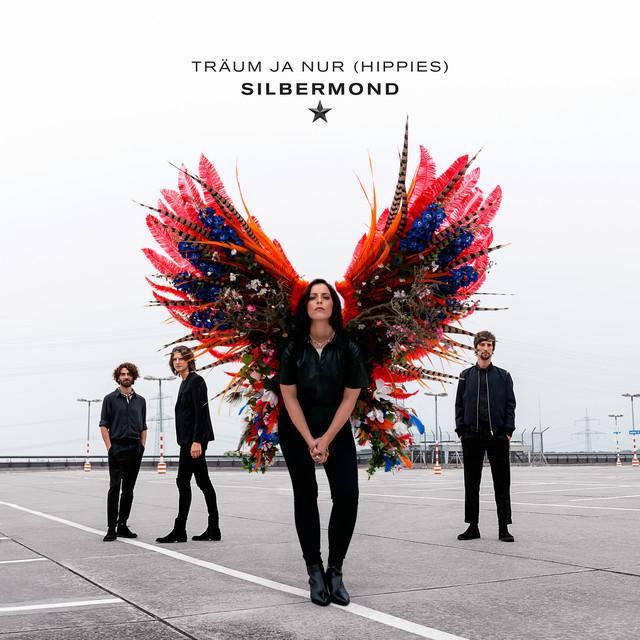
Silbermond’s “Träum ja nur (Hippies)” is a song about refusing cynicism. At its core, the meaning of Träum ja nur (Hippies) Silbermond is simple: the world looks damaged, but dreaming of something better is still a serious act. The lyrics begin in disappointment, then push toward a hopeful, almost stubborn vision of peace, equality, and shared dignity.
"Träum ja nur (Hippies)" - Silbermond
Das Gefühl nich' los, irgendwas läuft verkehrt
Als würde sich Geschichte einfach wiederholen
Loading lyrics...
Unable to load lyrics
We're unable to display the lyrics at this time. Please try again later.
Silbermond have long been known in German pop-rock for emotionally direct songs led by singer Stefanie Kloss. The band formed in Bautzen and built a mainstream audience in the 2000s, facts widely reflected in standard band biographies and discographies. That history matters here, because this track sounds like a mature version of their social conscience: less private heartbreak, more public urgency.
A Protest Song Disguised as a Daydream
The opening lines present a speaker who looks around and feels that something is deeply wrong. The song points to repeating history, shallow slogans, environmental destruction, and a system where money sits above human need. In plain terms, it says modern life can feel trapped in old mistakes.
That is why the chorus matters so much. Instead of staying in anger, the song answers with images of peace and fairness. Short phrases like Peace-Zeichen
and für den Frieden
are not random decorations. They summarize the song’s wish for a society built around care rather than domination.
Interpretation: the title phrase works as a defense against mockery. When critics sneer, the speaker shrugs and says, in effect, yes, they are dreaming. But the song treats that dream as morally necessary, not naive.

Watch the official Träum ja nur (Hippies)
music video
How the Verses Build the Message
The lyric structure is clear and smart. Each verse begins in realism and ends in imagination. First comes the broken present: political noise, greed, and damage. Then comes a counter-image of what the world could become.
One of the sharpest examples is the contrast between war and art. The lyric imagines hearing Imagine
from military machines. That collision is intentionally impossible. It takes a symbol of violence and fills it with a peace anthem. The point is not realism; it is transformation.
Another striking section looks ahead to the year 2060. A grandchild asks what a racist, a homophobe, or a climate catastrophe even is. The fantasy is not just personal. It imagines a future where hatred and disaster have become relics. In other words, the song does not only want better feelings. It wants better systems, better politics, and better values.
The Chorus Turns Idealism Into Defiance
The chorus is built like a rally. It invites everyone to put their hands up for music, peace, and human difference. The call sounds communal, even celebratory, but it also answers an attack. The mocked word Hippies
appears through the voice of critics, not the singer’s own insult.
That matters. The song reclaims the label. Here, “hippies” means people who still believe in anti-war ethics, social equality, and open-hearted coexistence. The line feier den Mensch
captures that spirit in a compact way. It asks listeners to celebrate humanity itself, especially in its variety.
Interpretation: the chorus suggests that ridicule is one of the tools used against hope. By laughing off the insult, the song strips that power away.
Symbols That Carry the Big Ideas
Several recurring symbols hold the song together:
- Peace signs: a classic anti-war image, used here as a public marker of everyday solidarity.
- “Imagine”: a shorthand for utopian thinking and shared peace culture.
- The grandchild in 2060: a test for moral progress. If the next generation cannot even recognize these hatreds, society has improved.
- Music: not just entertainment, but a social force that gathers people.
These symbols are simple on purpose. Silbermond are not writing in coded poetry here. They want the message to land quickly and broadly.
Was wollen die Hippies nur?
Mann, entspann dich, ich träum' ja nur
This small exchange captures the whole song: public mockery on one side, calm resistance on the other.
How the Sound Supports the Meaning
Even without reproducing the full arrangement in technical detail, the song’s likely pop-rock framework helps explain its message. Silbermond often work with big choruses, clear drums, steady guitar drive, and a vocal performance that sounds human rather than distant. That style fits this lyric well.
A song about collective hope needs lift. The repeated hook, group-ready rhythm, and slogan-like phrasing all make the track feel chantable. It sounds less like a private diary entry and more like a crowd song. That is important because the lyrics are not asking listeners only to agree. They are asking them to join.
Stefanie Kloss’s delivery also matters in interpretation. Her voice usually balances warmth and firmness, which suits a lyric that refuses both despair and empty sweetness. The song needs conviction, and the melody likely carries that conviction better than a harsher protest style would.
The Broader Meaning of Träum ja nur (Hippies) Silbermond
What makes the meaning of Träum ja nur (Hippies) Silbermond resonate is that it understands the emotional cost of staying hopeful. The song knows the world is ugly in many ways. It names political manipulation, inequality, war, and climate fear without softening them.
But it also argues that imagination is part of responsibility. Dreaming of justice is not escapism if it keeps moral standards alive. In that sense, the song stands in a long tradition of pop music that uses catchy form to carry civic ideals.
For U.S. listeners, the message is easy to recognize even if the language is German. The issues are global: polarization, money-driven politics, culture-war mockery, and environmental anxiety. Silbermond respond with a very old but still radical idea: peace should not be embarrassing.
Final Take
“Träum ja nur (Hippies)” is about protecting idealism from contempt. It turns the insult of being unrealistic into a statement of purpose. Interpretation: Silbermond are saying that if dreaming of peace, equality, and a livable future sounds foolish, then foolishness may be healthier than surrender.
Disclaimer: This analysis offers an interpretation of the song based on its lyrics, themes, and Silbermond’s broader style. Meanings can vary from listener to listener.







