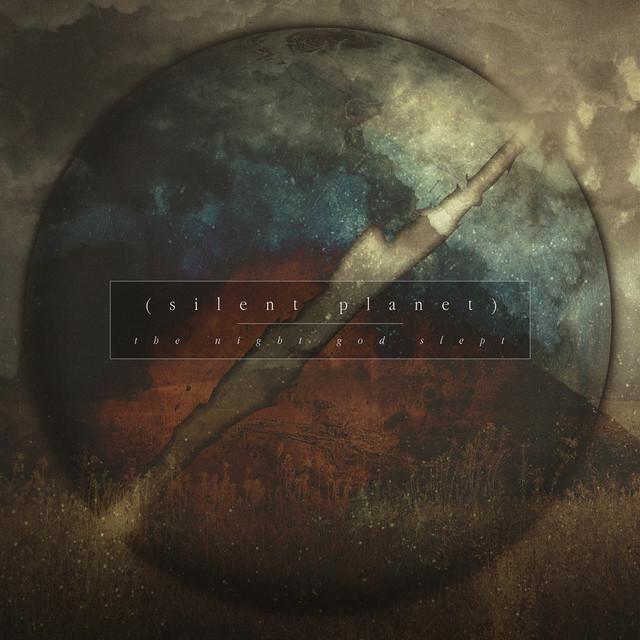
Native Blood by Silent Planet
The meaning of Native Blood Silent Planet starts with a blunt idea: this is a protest song about Native American suffering, land theft, and the stories the United States often hides. Silent Planet do not present that history as distant or finished. They make it feel physical, present, and still unsettled.
"Native Blood" - Silent Planet
Cracks in the clouds leave me wondering
Did the oceans dry out, return to the sky
Loading lyrics...
Unable to load lyrics
We're unable to display the lyrics at this time. Please try again later.
Garrett Russell has said the track is about “the marginalization of the Native American people,” and he has framed the band’s writing as socio-cultural rather than party-political. That matters because the song is not vague anger. It points toward real historical patterns of removal, burial, and erasure tied to U.S. policy and expansion.
The Song’s Core Wound
Factually, “Native Blood” appears on The Night God Slept, Silent Planet’s 2014 debut album. The record has been described as a concept-heavy release focused on oppression and social trauma, and summaries of the album connect this song to the Indian Removal Act and the Dawes Act.
Interpretation: In the song, they treat that history like an open grave rather than a closed chapter. When the speaker describes a peaceful-looking structure built over a burial place, the image suggests a nation covering violence with respectable language. The line about my mother’s grave
turns stolen land into family loss, not abstract politics.

Watch the official Native Blood
music video
Land, Burial, and a False Peace
One of the song’s strongest ideas is that colonization is both spiritual and material. It is not only about bad laws. It is about homes, churches, graves, and whose lives are treated as sacred.
The phrase house of peace
sounds gentle at first, but the surrounding images destroy that comfort. The song argues that institutions can speak in the language of peace while resting on hidden harm. That is why the mention of sanctimonious steeples
lands so hard. They are not attacking faith itself as much as exposing hypocrisy.
Interpretation: Silent Planet often write about the gap between belief and action. Here, Christian symbols become tools of judgment. If a society praises love while it buries people and history, the song suggests that even its holy buildings will meet us in the dirt
.
A Chorus About Exhaustion, Not Escape
The recurring idea of falling asleep can sound calm, but it is not simple comfort. In context, it feels like emotional exhaustion after generations of violence. The melody is described as something poured out for slaves
, which links Native suffering to a wider American history of oppression.
That connection broadens the song. It says this is not one isolated wound. It belongs to a national pattern where power is built through forced labor, racial hierarchy, and stolen land.
Maybe we'll fall asleep tonight
To the madness in the melody
Interpretation: This may be the closest thing the song has to a chorus of mourning. Sleep sounds like rest, but also like numbness, death, or the wish to stop carrying inherited pain for one night.
Nature Is Not Background Here
Another key to the meaning of Native Blood Silent Planet is the way nature imagery works. Oceans, soil, forests, streams, and storms are everywhere. These are not decorative details.
The lyrics imagine the earth as witness and body at once. Water enters the veins. Soil becomes bones. Trees bleed. Streams hemorrhage. In other words, violence against Native people is shown as violence against the land too.
That matters because colonization in the song is ecological as well as human. The image of forests returning after breath goes back into the ground suggests both grief and renewal. Something has been devastated, but the song still imagines life beyond conquest.
The Political Images Are Direct
The sharpest political moment comes when the song calls race a stain on a campaign and twists the language of expansion into accusation. The phrase Manifest your destiny
is especially important because it points to the old U.S. idea that westward expansion was justified, even righteous.
Then the song turns to the flag: stripes and stars
become prison bars. That reversal is simple and brutal. A patriotic symbol becomes a symbol of confinement.
Interpretation: The song is not rejecting all identity or community. It is rejecting a version of America that celebrates liberty while building itself through Indigenous dispossession. That contrast between promise and reality drives nearly every verse.
How the Sound Carries the Message
Musically, “Native Blood” uses metalcore’s extremes to make the history feel immediate. The record is associated with metalcore, progressive metal, and melodic metalcore, and the song leans into that blend. Harsh vocals push the accusations with urgency, while melodic passages open space for grief.
The rhythm section gives the track a sense of collapse and march at the same time. Heavy riffs feel like pressure coming down from all sides, matching images of burial, shaking earth, and mass harm. Then the cleaner vocal moments make the pain feel personal instead of purely rhetorical.
Interpretation: That contrast matters because the song is both indictment and lament. If it were all aggression, it might feel one-note. The melody lets memory, sorrow, and even a thin thread of hope remain audible.
Why the Song Still Hits
Part of this song’s power is that it refuses to separate history from the present. It does not ask listeners to admire a tragic story from a safe distance. It asks them to hear the cost beneath national myths.
That is why “Native Blood” became one of Silent Planet’s best-known songs. It takes policy, religion, race, and land and compresses them into vivid, painful images. They make injustice feel embodied.
In the end, the meaning of Native Blood Silent Planet is about more than guilt. It is about memory, witness, and the refusal to let polished language hide buried lives.
Interpretation disclaimer: Song meanings can hold more than one valid reading. This article separates verified context from interpretation, and some imagery may resonate differently with different listeners.








