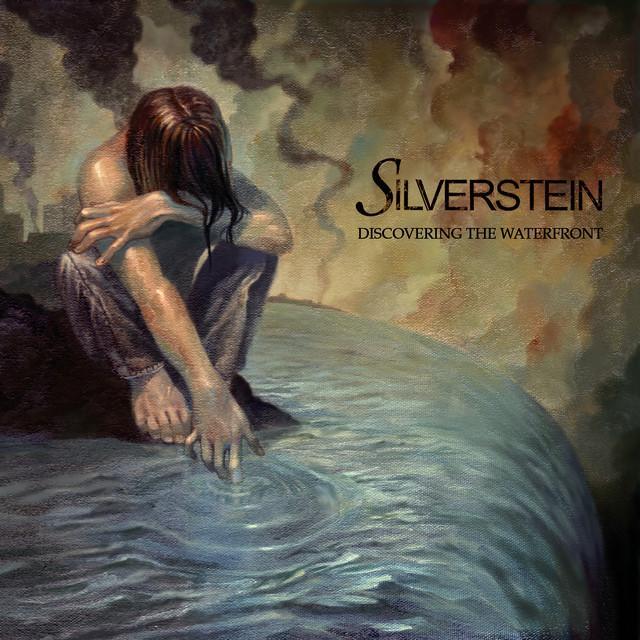
My Heroine by Silverstein
Silverstein’s “My Heroine” turns love into withdrawal, making desire sound less like romance and more like a trap.
"My Heroine" - Silverstein
Provided by LyricFindThe drugs begin to peak
A smile of joy arrives in me
But sedation changes to panic and nauseaLoading...Loading lyrics...
Unable to load lyrics
We're unable to display the lyrics at this time. Please try again later.
Why This Song Still Hits So Hard
The meaning of My Heroine Silverstein comes from a sharp double image: a lover who feels like a drug, and a drug described like a lover. That wordplay is the key to the whole song. It is not simply a breakup track or a cautionary tale. It is a portrait of dependence, where comfort and damage come from the same source.
The song appeared on Discovering the Waterfront in 2005, and Songfacts notes that listeners have long read it as a story of unhealthy obsession built around a heroin/heroine pun. That reading fits the lyrics closely and helps explain why the song became one of Silverstein’s signature tracks.

Watch the official My Heroine
music video
The Core Story Beneath the Panic
At the surface level, the lyrics describe the body reacting to a substance. Early lines mention a rush, then panic, nausea, and shallow breathing. In plain terms, the song opens with the cycle of intoxication turning ugly.
But the lyrics do not stay physical for long. They shift into accusation and emotional dependence. The narrator feels used, wounded, and unable to stop returning. Short phrases like you won’t try to save me
and I give in every time
make that pattern clear.
Interpretation: This is why many listeners hear both a drug story and a relationship story at once. The song works because it refuses to choose only one.
A Toxic Love Song in Disguise
The title is clever, but the emotions are not playful. Calling someone my heroine
sounds worshipful on the surface. Yet in context, it means the person has become a dependency. They bring relief, but only for a moment. Then comes pain, fear, and loss of control.
The song suggests that this person taught the narrator how to feel alive, then made that feeling impossible to live without. That is what makes the attachment so dangerous. The bond is not healthy love; it is emotional enslavement.
One of the sharpest moments is when the narrator suggests the other person prefers him unable to think freely. That moves the song beyond heartbreak and into control. This is not just longing. It is manipulation.
The Chorus Turns Craving Into Confession
The chorus is where the song’s central idea becomes unavoidable. The narrator admits this figure helped him escape being lost and depressed
, but that relief comes with a terrible cost. In other words, the same force that numbs his pain also keeps him trapped.
That is why the repeated cry of my heroine
feels conflicted rather than romantic. It sounds grateful, desperate, and angry at the same time.
How do you do it?
You’re my heroine
Those lines matter because they show confusion as much as surrender. The narrator cannot fully explain the hold this person or substance has on him. He only knows it keeps working.
How the Verses Map the Addiction Cycle
A useful way to read the song is as a sequence:
- There is an initial high and emotional lift.
- The body and mind crash into panic.
- The narrator blames the source but still returns.
- He recognizes the relationship is built on hurt.
- He finally reaches for self-rescue.
That final turn matters. Near the end, he admits he cannot change the other party. He can only try to break the habit. The closing declaration signals a boundary at last.
Interpretation: The ending is hopeful, but only slightly. It feels like the start of recovery, not the completion of it.
When the Music Does the Explaining
Silverstein’s arrangement helps sell the meaning. The band works in a post-hardcore and melodic rock space, and the song uses that contrast well. The verses feel tense and pressurized. Then the chorus opens up into a bigger, more melodic release.
That structure mirrors the lyrics perfectly. The quieter pressure sounds like private suffering, while the chorus feels like the emotional rush that keeps pulling the narrator back. Shane Told’s vocal performance also matters. He moves from wounded melody to sharper force, which makes the inner conflict sound physical.
In simple terms, the song does not just tell listeners about addiction and toxic attachment. It makes them feel the pull and collapse in real time.
Artist Context Helps the Reading
Shane Told wrote the song, and that matters because Silverstein often write from a deeply confessional emotional angle, even when the lyrics stay metaphorical. Songfacts identifies “My Heroine” as one of the band’s best-known songs from Discovering the Waterfront, and its staying power comes from that emotional openness mixed with ambiguity.
The music video, as summarized by Songfacts, leans into unhealthy obsession and instability, which supports the darker reading rather than a simple love song interpretation.
The Best Way to Understand “My Heroine”
The meaning of My Heroine Silverstein is not just “love is like a drug.” It is more severe than that. The song argues that some attachments feel healing while actively causing harm. Its power comes from showing how a person can know something is destructive and still crave it.
That is why the final line about self-saving lands so well. It breaks the spell for a moment. The song does not promise peace, but it does give the narrator one clear act of resistance.
Interpretation disclaimer: This reading is based on the lyrics, the song’s title, and widely discussed context around the track. Because Silverstein leave room for metaphor, listeners may reasonably hear both substance addiction and toxic romance in the same song.








