Why 'A Hazy Shade of Winter' Still Cuts Deep
The meaning of A Hazy Shade of Winter Simon & Garfunkel comes down to a simple but powerful tension: life keeps moving, and people do not always feel ready for what time takes away. Paul Simon turns weather, memory, and motion into a portrait of someone taking stock of disappointment while still trying to keep hope alive.
"A Hazy Shade of Winter" - Simon & Garfunkel
While I looked around for my possibilities
I was so hard to please
Loading lyrics...
Unable to load lyrics
We're unable to display the lyrics at this time. Please try again later.
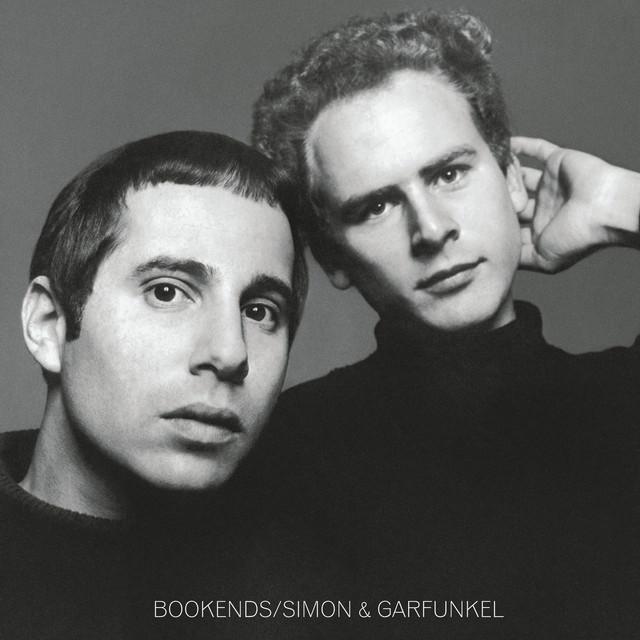
Released by Simon & Garfunkel in 1966 as a non-album single, the track arrived during the duo’s most inventive folk-rock period, shortly after Parsley, Sage, Rosemary and Thyme and before Bookends deepened their reflective style. Paul Simon wrote the song, and the recording is widely documented in the duo’s official discography and major reference sources such as The Simon & Garfunkel Official Site and Encyclopaedia Britannica.
A Song About Time Feeling Heavy
At its core, the song describes a mind caught between self-criticism and survival. The opening thought, time, time time
, immediately frames the problem. This is not just a song about winter weather. It is about the pressure of passing years and the uneasy feeling that possibilities were missed while the speaker was distracted, restless, or too hard to satisfy.
That is why the repeated command to look around
matters. The song keeps insisting on the present moment, even when that present looks bleak. Brown leaves, gray light, and cold ground are not just scenery. They reflect a state of mind shaped by regret, fatigue, and uncertainty.
Interpretation: The winter in the title sounds emotional as much as seasonal. The “hazy” quality suggests not clear despair, but confusion—an in-between mood where the speaker can still see hope, just not sharply.

Watch the official A Hazy Shade of Winter
music video
How the Lyrics Move From Regret to Resolve
The song does not tell a straight story. Instead, it moves in flashes, like thoughts arriving during a long walk.
The first turn: missed chances
Early lines suggest someone reviewing their life and realizing they were searching for opportunities without really settling into any of them. The feeling is not dramatic tragedy. It is more ordinary and therefore more painful: time passed, and now the world looks colder.
The second turn: advice that sounds fragile
Then comes one of the song’s strongest ideas. The lyric hang on to your hopes
offers comfort, but the next thought undercuts easy optimism. Hope is important, yet it can fail. The song admits that rebuilding belief may require effort, imagination, even pretending at first.
The grass is high
the fields are ripe
the springtime of my life
This brief shift is crucial. The song suddenly imagines growth and abundance. Even in a winter state of mind, the speaker remembers or glimpses spring. That contrast keeps the song from collapsing into gloom.
Symbols That Give the Song Its Meaning
Several recurring images carry the emotional weight.
Seasons as inner weather
The most obvious symbol is winter itself. When the lyric says leaves are brown
, it points to decline, aging, and stalled energy. But the later spring imagery complicates that. Simon suggests that people can feel young and spent, hopeful and discouraged, almost at once.
Movement and stalled travel
The song references bands, rides, cups in hand, manuscripts, and looking back. These are images of motion, ritual, and unfinished work. They hint at a life still in progress, even if the speaker feels stuck. There is always somewhere to go, but no guarantee it will be better.
Memory and unfinished art
The mention of unpublished writing gives the song an artist’s anxiety. It is not only about getting older. It is also about fearing that one’s work, ideas, or best self may remain unrealized.
Why the Music Feels So Urgent
Part of the meaning of A Hazy Shade of Winter Simon & Garfunkel comes from the arrangement. Though the lyric is reflective, the performance is brisk, sharp, and driving. The guitars and drums push forward with unusual force for the duo, giving the song a nervous energy that fits its subject.
Rather than sounding sleepy or resigned, they sound pressed by time. Simon’s vocal attack and Garfunkel’s harmonies add tension instead of softness. That matters: the song is not surrendering to winter. It is fighting through it.
This production choice also helps explain the song’s long afterlife. Many listeners hear the track as both introspective and restless, which is why it has appealed to later rock audiences too.
Two Strong Ways to Read It
Interpretation 1: A personal crisis song
This is the most direct reading. The speaker sees life moving fast, feels disappointed by what has not happened, and tries to talk themselves back into hope.
Interpretation 2: A wider 1960s unease
Because it was released in late 1966, some listeners also hear a broader mood of social strain beneath the personal lines. The Salvation Army image, public street scene, and sense of dislocation can suggest a culture that feels unstable as well as an individual mind.
Both readings work because Simon writes in a way that lets private and public weather blend together.
Why the Song Still Lands Today
The song endures because it understands a feeling many people know but rarely say plainly: the fear that life is moving faster than meaning. Yet it refuses pure despair. Even in its coldest images, it keeps searching for the next season.
For listeners wondering about the meaning of A Hazy Shade of Winter Simon & Garfunkel, the clearest answer is this: it is a song about recognizing loss without letting loss have the final word.
Disclaimer: This interpretation combines documented context with critical reading of the lyrics and music. As with any song, meanings can vary from listener to listener.








