Why 'I Am a Rock' Hides a Wounded Heart
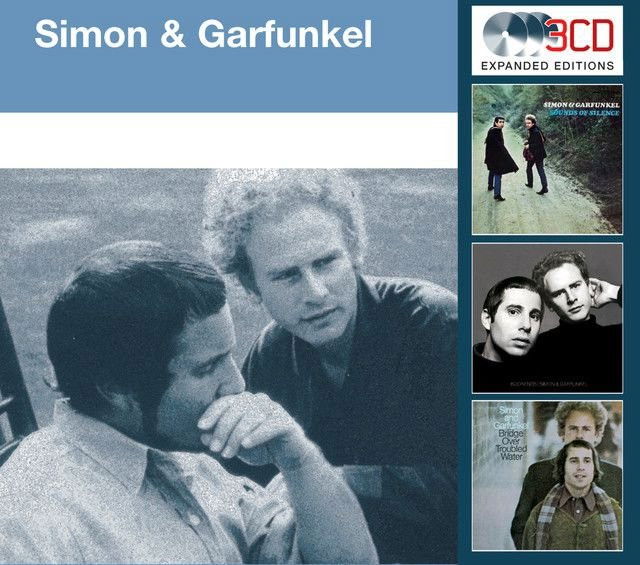
The meaning of I Am a Rock Simon & Garfunkel starts with a simple idea: a person decides that being closed off feels safer than being hurt again. Paul Simon wrote the song, and Simon & Garfunkel released the well-known studio version on Sounds of Silence in 1966. It stands as one of their clearest early portraits of loneliness dressed up as toughness.
"I Am a Rock" - Simon & Garfunkel
In a deep and dark December
I am alone
Loading lyrics...
Unable to load lyrics
We're unable to display the lyrics at this time. Please try again later.
Even on first listen, the song sounds firm and defensive. But the closer they look, the less convincing that defense becomes. The narrator says they are protected, yet every verse reveals how much pain pushed them into that pose.
A Lonely Voice Behind a Bold Claim
The opening scene places the narrator alone on a winter day, staring out at a world covered in snow. That setting matters. The cold weather and silence do not just describe the street outside; they mirror an inner emotional freeze.
Then comes the famous refrain: I am a rock
and I am an island
. Before and after those lines, the song makes clear that these are not calm observations. They are statements of self-defense. The narrator is trying to become unreachable.
Interpretation: the refrain works almost like a mantra. They repeat it not because it is fully true, but because they need it to be true.
Watch the official I Am a Rock
music video
The Real Subject Is Self-Protection
In the next verse, the narrator says they have built walls
and created a fortress nobody can enter. Paraphrased plainly, they have decided that closeness leads to injury. Friendship hurts, love disappoints, and the answer seems to be withdrawal.
That is what gives the song its emotional force. It is not simply about liking solitude. It is about turning solitude into armor. When the narrator rejects connection, they sound less proud than wounded.
The key line of thought comes when they insist that if they had never loved, they would never have cried. That idea is harsh but understandable. It reduces heartbreak to a lesson: feeling deeply leads to suffering, so stop feeling deeply.
How the Verses Build the Song's Meaning
The song unfolds in a clear emotional sequence:
- The narrator begins in isolation, already cut off from the world.
- They explain that closeness brings pain, so distance feels safer.
- They admit love still exists in memory, even if they try to bury it.
- They retreat into private comforts like books, poems, and their room.
- They end by claiming numbness is strength.
That final claim is the song's most revealing move. The narrator says a rock feels no pain and an island never cries. On the surface, it sounds decisive. Underneath, it sounds like someone trying very hard not to admit they still can be hurt.
Images of Winter, Walls, and Armor
The imagery is simple, but it is carefully chosen. Winter suggests emotional deadness. Snow creates a silent shroud of snow
, making the outside world seem beautiful but buried. Walls and fortresses suggest a mind under siege.
Later, the narrator says they are shielded in my armor
. That phrase turns emotional avoidance into something almost medieval. Instead of healing from pain, they prepare for endless battle.
Books and poetry also matter. They are not shown as bad things. Instead, they become safe replacements for direct human contact. The narrator can live in thought and art because those spaces feel easier to control than relationships.
Why the Music Matters So Much
Part of the power of "I Am a Rock" comes from contrast. The song's acoustic guitar pattern is crisp and active, and the melody is catchy, almost bright. Simon & Garfunkel's vocal blend gives the track polish and lift, even while the lyrics describe retreat.
That tension is important. If the music were as frozen as the narrator, the song might feel flat. Instead, the arrangement creates movement around a person who wants to stop feeling. The result is ironic: the song is emotionally vivid even though its speaker longs for numbness.
This was also a key part of Simon & Garfunkel's early sound. Their folk roots remained central, but the studio recording gave the material a sharper pop edge during the Sounds of Silence period. That cleaner, more radio-ready style helped bring a private emotional crisis into the mainstream.
Artist Context Shapes the Reading
Factually, Paul Simon wrote the song, and it appeared on Sounds of Silence, the duo's 1966 album. In the larger context of their catalog, it fits with their recurring interest in alienation, inward thought, and the difficulty of real connection.
Interpretation: some listeners hear the song as partly ironic. The narrator sounds absolute, but the details undermine that confidence. A truly emotionless person would not need to keep insisting they feel nothing.
Another valid reading is that the song captures a temporary phase after heartbreak. In this view, the speaker is not offering a life philosophy. They are documenting a moment when withdrawal feels like survival.
Why the Song Still Lands Today
For many listeners in the United States, the song still feels current because its emotional logic is familiar. After disappointment, people often choose distance before they choose healing. They tell themselves they are better off alone, even when the loneliness remains obvious.
That is why the meaning of I Am a Rock Simon & Garfunkel lasts. It understands the appeal of shutting down, but it also exposes the cost. The song does not merely say isolation exists. It shows how pain can make isolation sound reasonable.
The Last Word Beneath the Mask
In the end, "I Am a Rock" is less a victory speech than a portrait of emotional retreat. The narrator tries to sound invulnerable, yet the song keeps revealing memory, fear, and grief beneath the hard surface.
That tension is what makes it memorable. They are listening to someone who wants to become untouchable and cannot quite hide why.
Disclaimer: This interpretation is based on the song's lyrics, recording, and public context. As with all art, listeners may hear different meanings in it.








