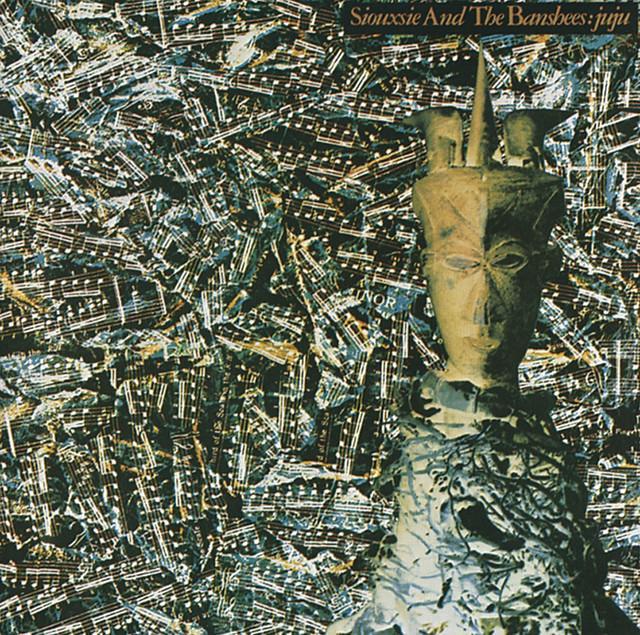
Arabian Knights by Siouxsie and the Banshees
A dark postcard from paradise
The meaning of Arabian Knights Siouxsie and the Banshees starts with a bait-and-switch. The title sounds romantic, even glamorous, as if the song will celebrate fantasy, travel, and exotic beauty. Instead, the band turns that fantasy inside out.
"Arabian Knights" - Siouxsie and the Banshees
Looking into your eyes
Cool pools drown your mind
Loading lyrics...
Unable to load lyrics
We're unable to display the lyrics at this time. Please try again later.
Released in 1981 as a single from Juju, and co-produced with Nigel Gray, the track uses a seductive surface to expose violence, misogyny, and the ugliness hidden behind tourist images. It also reached No. 32 on the UK chart, showing that a severe, unsettling song could still find a wide audience.
At its core, this is a song about illusion. It asks what happens when outsiders are told to be dazzled by wealth and spectacle, but look closely enough to see cruelty underneath.

Watch the official Arabian Knights
music video
What the song is really saying
On the most direct level, the song attacks a fantasy version of the Middle East sold through Western eyes. The opening imagery feels jewel-like and hypnotic. The song seems to stare into beauty, but that beauty quickly becomes dangerous. The line about cool pools
suggests attraction, yet it also hints at drowning, confusion, and moral numbness.
From there, the speaker hears gossip, but the repeated rumor is not trivial. It points to harm done to a woman. When the chorus arrives with myriad lights
and then primitive best
, the song becomes openly sarcastic. It mocks the idea that wealth, bright nightlife, and luxury can cover up abuse.
Interpretation: The song does not simply describe one place. It challenges any system where spectacle hides exploitation. The setting matters, but the larger target is the way power dresses itself up as glamour.
How the verses build that critique
The first key move is contrast. The song starts with treasure-like images, then undercuts them. What looks precious turns hollow. What looks inviting becomes a trap.
The second move is the tourist lens. The phrase about a tourist oasis
is especially important. The song suggests that visitors see a curated paradise: sunglasses, sunshine, and luxury. But in the next breath, that postcard scene is broken by the image of an oil tanker bleeding into the sea. Environmental damage enters the frame, and modern wealth suddenly looks monstrous.
That shift matters because the song is not only about sex and gender. It is also about commerce, extraction, and the violence behind polished surfaces. Oil, money, tourism, and patriarchy all start to look like parts of the same machine.
The song’s most shocking section
The most confrontational verse is where Siouxsie and the Banshees drop the mask entirely. The woman is described as hidden and reduced to function, including the phrase baby machine
. In plain terms, the song condemns a system where women are controlled, concealed, and valued mainly for reproduction.
Then it gets even harsher, adding grotesque sexual and animal imagery. This is meant to disgust. It pushes the listener past passive observation and into alarm.
Veiled behind screens
Kept as your baby machine
Those two lines are the song’s clearest summary. Behind luxury and ritual, the speaker sees confinement and dehumanization.
Sound and production: why it feels like a nightmare dance
Part of the reason the song endures is that its sound is so alluring. Critics have described it as dreamy, and that is true on the surface. But it is a very tense dream.
John McGeoch’s guitar gives the track its shimmering, almost mirage-like feel. The tone glints and swirls rather than simply riffs, which fits a song about things that look beautiful from far away. The rhythm section keeps it moving with a tight, danceable pulse, but the mood never relaxes. That balance is central to the meaning: they make something you can move to while also making you uneasy.
Siouxsie’s vocal delivery sharpens the song further. They do not sing it as a neutral observer. Their voice sounds cool, cutting, and disgusted, especially when the chorus lands. A brief comment often linked to Siouxsie about enjoying getting the word “orifices” onto the radio shows the band’s taste for provocation, but the provocation here serves a purpose. It forces the listener to face what polite language often hides.
Context inside Juju and post-punk
Within the single’s release history, “Arabian Knights” fits the wider mood of Juju: gothic, suspicious, and fascinated by taboo. Siouxsie and the Banshees were one of the defining post-punk bands, and this track shows why. They took punk’s bluntness and mixed it with atmosphere, art-rock detail, and psychological bite.
The song also reflects a broader early-1980s habit in post-punk: using unsettling images to criticize power. Here, the criticism is not gentle. It is stylized, but it is also direct.
Interpretation: Some listeners hear the song as mainly feminist, and that reading is strongly supported by the lyrics. Others hear a wider anti-exoticism statement, where the band attacks how the West packages “foreign” places as thrilling spectacles while ignoring real suffering. Both readings can coexist.
Why the song still feels provocative
“Arabian Knights” still lands because its target has not disappeared. Tourism still sells fantasy. Wealth still hides abuse. Media still turns distant suffering into scenery.
The song’s genius is that it never sounds like a lecture. It seduces first, then exposes. That structure is the message. If listeners feel pulled in and then repelled, they are having the exact experience the band seems to want.
In the end, the meaning of Arabian Knights Siouxsie and the Banshees is not hard to find: it is a fierce rejection of glamour used as camouflage. Beauty, status, and spectacle are shown as unreliable guides. The song asks listeners to look past the lights and ask who is being harmed behind them.
Disclaimer: This interpretation is based on the released lyrics, recording context, and documented band history. As with many songs, some meanings remain open to listener interpretation.







