Why 'Hong Kong Garden' Hits So Hard
The meaning of Hong Kong Garden Siouxsie and the Banshees starts with a title that sounds playful and exotic. But the song’s real center is much harsher. Under its bright hook and brisk pace, it responds to racist violence and the uneasy way people turn other cultures into spectacle.
"Hong Kong Garden" - Siouxsie and the Banshees
Symbols clashing everywhere
Reaps the fields of rice and reeds
Loading lyrics...
Unable to load lyrics
We're unable to display the lyrics at this time. Please try again later.
Released on 18 August 1978 as the band’s debut single, it reached No. 7 in the UK and quickly became one of the earliest major post-punk crossover hits. It was written by Siouxsie Sioux, Steven Severin, John McKay, and Kenny Morris, and produced by Nils Stevenson with Steve Lillywhite.
A Pop Song With a Furious Core
Factually, Siouxsie Sioux later said the title came from a real Chinese takeaway in Chislehurst. She explained that she and a friend saw skinheads harass the people working there, and that the song was “a kind of tribute.” She also recalled feeling helpless watching those attacks. Those comments are the clearest guide to the song’s intent.
That context changes how the lyrics land. What first sounds like a collage of travel images is really a song about prejudice, voyeurism, and social ugliness. The band turn a public scene into a set of flashing snapshots, showing how quickly everyday life can become hostile.
Watch the official Hong Kong Garden
music video
The Lyrics Watch a Crowd at Work
The verses move in quick images rather than a straight story. They mention harmful elements in the air
and symbols clashing everywhere
, which suggest tension before any direct conflict is named. The atmosphere already feels contaminated, not only physically but morally.
Then the song mixes food, commerce, and crowd behavior. References to takeout, money, and tourist attention create a busy public setting where people consume a culture without really seeing the people inside it. When the lyric says tourists swarm
, it hints at a mob mentality. People gather, stare, buy, and pass through.
Interpretation: Attraction and Dehumanization
One strong reading is that the song shows how fascination can sit right beside cruelty. The scene is full of sensory detail, but the people being observed are reduced by the crowd into surfaces, customs, and stereotypes.
That is why lines like disoriented you enter in
matter. The song places listeners inside a confused gaze. It shows the outsider’s shallow perception, not a balanced portrait of Chinese life. In that sense, the lyric may be read as critical: it exposes how Western onlookers flatten a culture into decoration, food, and mystery.
Why the Chorus Feels So Strange
The repeated title phrase, Hong Kong Garden
, works almost like a sign glowing above the door. It is catchy and memorable, but also detached. The chorus does not explain; it points.
That choice matters. Instead of preaching, the band keep returning to the place itself, as if insisting that listeners look again at the scene and what happened there. The hook is easy to sing, yet the verses make that ease uncomfortable.
Ho-oh, ho-oh-oh-oh
Hong Kong Garden
This is the article’s only brief multi-line quote, and even here the point is less about language than effect. The chorus behaves like a chant or crowd echo, which can feel inviting on the surface but eerie in context.
Sound First, Then Meaning
Part of the song’s power comes from contrast. John McKay’s guitar and the mallet-driven hook give it a vivid, almost cinematic brightness. Early versions used a pixiphone, while the hit single used a xylophone-style part, helping create that instantly recognizable melody.
Steve Severin later said the song grew from McKay’s chord sequence, with the arrangement shaped around it. The band leaned into an “Oriental feel” with xylophone and a gong ending, a choice that reflected the title and setting.
The production is just as important. After an unsatisfying first recording session, the band re-cut the song with Steve Lillywhite at the Fallout Shelter studio in London. Lillywhite’s drum approach helped define the record: Kenny Morris recorded drum parts in layers, and added echo gave the track unusual space and punch.
Why the Production Matters
That roomy, hard-edged sound makes the song feel excited and alert, never relaxed. The drums push forward, while Siouxsie’s vocal stays cool and cutting. The result is a track that sounds danceable but tense.
That tension fits the lyric perfectly. The music pulls listeners in; the imagery keeps them off balance. It is one reason the single connected beyond the punk scene and earned strong early praise.
Its Place in Post-Punk History
Critics quickly noticed that balance of accessibility and edge. The song was praised across the UK music press and helped establish Siouxsie and the Banshees as more than a punk offshoot. It also became Steve Lillywhite’s first hit as a producer.
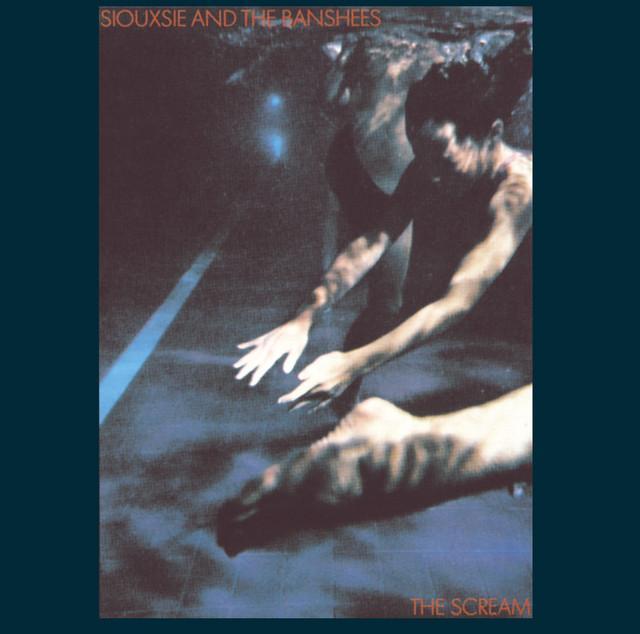
Historically, the single was not included on The Scream, which makes it feel even more like a statement of arrival: a stand-alone breakthrough. Later, it gained new life through compilations, a 2006 strings version for Marie Antoinette, and reissues.
Final Meaning of “Hong Kong Garden”
So, the meaning of Hong Kong Garden Siouxsie and the Banshees is not just about a restaurant or a set of quick cultural images. At its core, it is a song about what happens when curiosity, commerce, and racism meet in the same public space.
Interpretation: the song deliberately traps listeners inside a fractured viewpoint so they can feel the ugliness beneath the bright surface. That is why it still sounds thrilling and unsettling at once.
They made a pop single that moves fast, looks hard, and refuses to feel safe.
Disclaimer: Song meaning can be subjective. This reading separates documented background from interpretation and does not claim to be the only valid understanding of the song.







