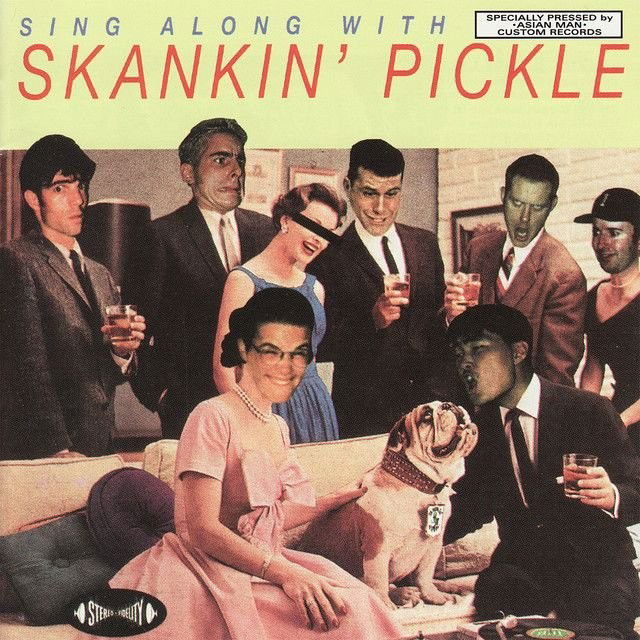
Why 'Pabu Boy' Hits So Hard
The meaning of Pabu Boy Skankin’ Pickle comes down to a simple but sharp conflict: a young person knows they need to grow up, yet they are fighting the shame of being seen as useless before they are ready to change.
"Pabu Boy" - Skankin’ Pickle
Too many things on my mind
I wish I could change the ways
Loading lyrics...
Unable to load lyrics
We're unable to display the lyrics at this time. Please try again later.
Skankin’ Pickle often mixed humor, speed, and sincerity, and this song leans hard into the sincere side. Written by Michael Park, “Pabu Boy” sounds like a late-night self-check. It is full of guilt, family pressure, and stubborn pride.
A restless song about guilt and self-respect
At the start, the narrator is awake and anxious, replaying their choices. They admit regret about wasted time and about not helping enough at home. Phrases like can't sleep once again
and too many things on my mind
frame the song as a moment of private reckoning.
That matters because the song is not blaming society first. It begins with self-blame. The narrator sees their own laziness, knows their father needs help, and feels the weight of not doing enough.
Still, the song never becomes pure self-hatred. Even in the middle of that guilt, the narrator pushes back against being reduced to a stereotype. That is where the repeated line not a Pabu boy
becomes central.
Watch the official Pabu Boy
music video
What “Pabu boy” seems to mean
Interpretation: The lyrics suggest “Pabu boy” is a dismissive label for someone thought to be lazy, immature, or stuck depending on family support. The exact slang is not explained in the song, but its emotional use is clear.
The narrator may be behind in life, but they reject the idea that they are worthless. When they say I'm sure I'm not a bum
, they are not claiming perfection. They are asking for a little dignity while they figure things out.
That makes the chorus more moving than it first appears. It is not just denial. It is a defense of identity.
The song’s emotional timeline
The lyrics unfold in a clear sequence:
- They lie awake, full of regret.
- They admit they have avoided responsibility.
- They insist they still have pride.
- They ask for more time to grow.
- They promise they will eventually stand on their own.
This structure gives the song its emotional balance. It starts in confession, but it ends in a shaky kind of hope.
Pride is the turning point
The line about starting from zero and asking for the ball shifts the mood. The sports image suggests someone who wants a real chance to prove themselves. Even if they have failed before, they still believe they can step up.
That is why the song feels bigger than one household argument. It captures a common stage of life: knowing adulthood is coming, but not yet knowing how to meet it.
Family pressure sits at the center
One of the strongest parts of the song is how ordinary its conflict is. There is no grand tragedy. The tension comes from chores, parents, time, and money.
The mention of helping a father and later needing to make ends meet with mom
grounds the song in family duty. The narrator understands that adulthood is not abstract. It means work, contribution, and movement.
Don't worry ‘bout me
I will be fine you see
Those lines read like reassurance, but they also sound defensive. The narrator is trying to calm others while also convincing themselves.
How the music carries the message
Skankin’ Pickle came out of the Bay Area ska-punk scene, a style known for upbeat rhythms, horn-driven color, and punk urgency. In that setting, “Pabu Boy” works especially well because the music gives motion to emotional stuckness.
Interpretation: A brisk tempo and punchy attack make the narrator’s thoughts feel restless. Instead of drifting into soft sadness, the song sounds impatient with itself. That impatience matches lyrics about wasted time and the need to act.
At the same time, ska-punk often carries a bounce that keeps despair from taking over. That helps explain why the song feels honest without feeling defeated. The arrangement suggests someone who is frustrated, but not broken.
Two strong readings of the song
Reading one: a portrait of delayed adulthood
This is the clearest reading. The narrator is living in the gap between adolescence and independence. They know they have outgrown excuses, but they are still not fully ready to move on.
The reference to time passing, including the note that it is four years later
, makes that delay sting more. Growth has not happened on schedule.
Reading two: a protest against easy labels
Interpretation: The song can also be heard as criticism of how families and communities flatten people into one role. Someone may be struggling, slow to mature, or unsure of direction, but that does not mean they have no pride or future.
Under this reading, “Pabu Boy” is less about failure than about the damage of naming someone as one.
Why the song still connects
The meaning of Pabu Boy Skankin’ Pickle lasts because it speaks to a fear many people know well: being seen at their worst moment and judged as if that moment is their whole character.
What gives the song life is its mix of honesty and resistance. The narrator admits weakness, but they do not surrender their worth. They are late, messy, and unsure, yet still asking for a chance to become more.
That is why “Pabu Boy” feels human. It understands that growing up is not a clean line. Sometimes it sounds like insomnia, family tension, and a stubborn voice saying they are not finished yet.
Disclaimer: This interpretation is based on the lyrics provided and public context around Skankin’ Pickle’s style. As with any song, listeners may hear different meanings.








