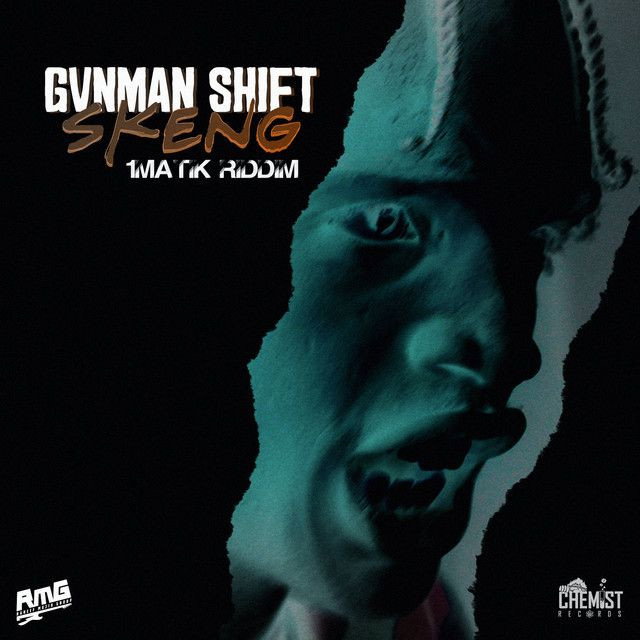
What 'Gvnman Shift' by Skeng Really Means
Skeng’s “Gvnman Shift” is not subtle. It is a confrontational dancehall track that builds its meaning through threat, local pride, and the idea of being permanently ready for war. For listeners searching for the meaning of Gvnman Shift Skeng, the clearest answer is this: the song turns violence into a job description, then uses that posture to speak about power, fear, and reputation.
"Gvnman Shift" - Skeng
Kakam fire, fulla gun like Remington
Fully charge up, eager fi kill a man
Loading lyrics...
Unable to load lyrics
We're unable to display the lyrics at this time. Please try again later.
Because the lyrics are intense, the best way to read them is not as a detailed life report but as a performance of menace. In dancehall, exaggeration, bravado, and territorial language often work together. Here, Skeng leans hard into all three.
A Persona Always on Duty
The title is the key to the song. A “shift” is a work period, and Skeng twists that ordinary word into something much darker. When they ask, what you know 'bout gunman shift?
the line frames violence as routine labor. That idea makes the track feel cold and methodical rather than chaotic.
Interpretation: the song is about more than random aggression. It presents a speaker who treats retaliation as a role they must clock into. In that frame, toughness is not just emotion. It is discipline, identity, and public image.
That helps explain why so many bars stress readiness and efficiency. Short phrases like fully charge up
and mi gun dem nah stick
suggest preparation, reliability, and speed. The speaker wants to sound practiced, not panicked.

Watch the official Gvnman Shift
music video
Threats, Territory, and Reputation
A major part of the song’s force comes from place names and crew references. Mentions of Spanish Town, Bobby Lane, Craig Town, Uptown, and Grants Pen anchor the lyrics in a Jamaican street geography. Even without outside explanation, those names tell listeners that local identity matters here.
Instead of making the conflict abstract, Skeng ties it to neighborhoods, alliances, and rival presence. The repeated mention of Bobby Lane
is especially important. It works like a stamp of origin and loyalty, showing that the speaker’s authority comes from where they stand and who they stand with.
Interpretation: this is one reason the song feels so intense. It is not only about individual pride. It is about representing a side, defending a name, and refusing humiliation. In that world, disrespect is treated as a challenge that must be answered.
How the Verses Build the Story
There is no complicated plot in “Gvnman Shift,” but there is a clear sequence of ideas:
- The song opens by establishing danger and capability.
- It then moves into night-time action and surprise attack imagery.
- The hook repeats the response to disrespect.
- Later verses widen the scope into crew action and organized retaliation.
- The final section returns to place names and collective identity.
That structure matters. The verses keep expanding from one person’s threat to a whole network’s presence. When the speaker says diss me? You mussi sick
, it sounds personal at first. But as the song continues, that “me” starts to stand for a larger crew and territory.
The Hook as the Song’s Mission Statement
The chorus is where the song’s message becomes simplest and most memorable. It repeats a challenge-response logic: disrespect happens, then punishment follows. The hook also emphasizes precision and confidence, making the speaker sound certain of the outcome.
This is why the chorus carries so much of the meaning of Gvnman Shift Skeng. It is not reflective or conflicted. It is designed to sound automatic. The repetition turns the persona into a machine: insult in, violence out.
Interpretation: emotionally, that lack of hesitation is part of the song’s point. The speaker does not want to sound humanly unsure. They want to sound untouchable.
Sound Design That Feels Like Pressure
Even without full production credits in the provided context, the musical approach is easy to hear: the beat is minimal, dark, and forceful. The rhythm leaves space for Skeng’s clipped delivery, which makes each threat land harder. Heavy low end and sharp drum hits create tension instead of swing.
That production choice supports the lyrics well. A warmer or busier beat might have softened the track. This one does the opposite. It feels like a closed room, a late-night patrol, or a steady buildup of pressure.
Skeng’s vocal style is just as important. They do not sound casual. They sound urgent, locked in, and aggressive. That delivery turns even brief phrases into warnings.
What the Violent Language Is Doing
The song includes graphic threats, but they are serving a larger musical function too. In this style of dancehall, violent language can operate as status language. It tells listeners who is feared, who is bold, and who claims control.
That does not make the lyrics harmless, but it does help explain their design. The goal is to dominate the sound space. References to masks, weapons, and movement after dark all build a world where weakness is dangerous and response must be immediate.
A phrase like we nuh aim an' miss
captures that attitude neatly. It is less about detail than certainty. The speaker wants zero doubt around their ability or intent.
A Useful Way to Read the Song
For U.S. listeners unfamiliar with Jamaican dancehall slang, “Gvnman Shift” may sound like pure shock value. But a closer reading shows a tighter idea underneath: Skeng is performing a version of masculinity built on vigilance, retaliation, and territorial pride.
That is why the song resonates beyond its literal threats. It dramatizes a world where image is survival, where crews become identity, and where being feared counts as security.
Final Take
The meaning of Gvnman Shift Skeng lies in its central metaphor: violence imagined as a shift someone reports to, masters, and repeats. The song uses place names, threats, and a relentless hook to build a persona that feels always active and always ready.
That reading is interpretive, not definitive. Like many hard-edged dancehall songs, “Gvnman Shift” can be heard as both a street anthem and a stylized performance of power shaped by voice, beat, and scene.









