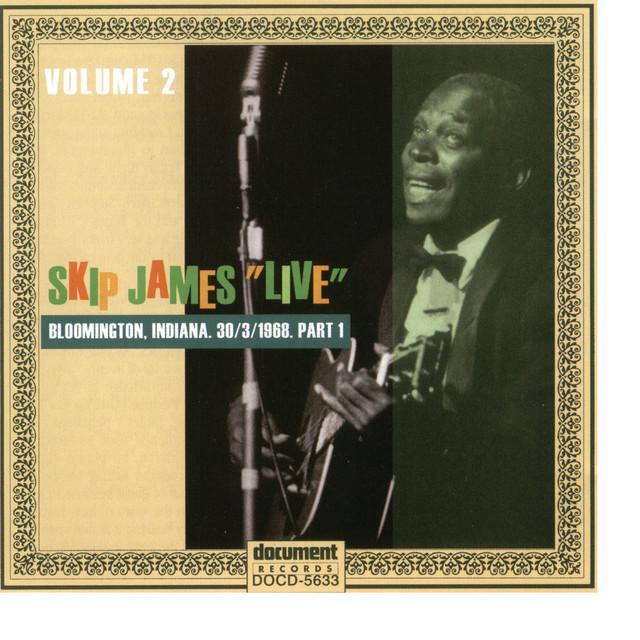
Crow Jane by Skip James
The meaning of Crow Jane Skip James starts with a hard truth: this is a blues song about pride, violence, death, and regret. On the surface, the singer warns Crow Jane not to carry herself too proudly. Then the song turns darker, with threats, burial images, and finally sorrow after she is gone.
"Crow Jane" - Skip James
Someday, baby, you know you got to die
You got to lay down and...
Loading lyrics...
Unable to load lyrics
We're unable to display the lyrics at this time. Please try again later.
What makes the song powerful is that it never sounds neat or morally simple. It moves like a confession. The narrator sounds angry, controlling, and later broken. That shift is the key to understanding why “Crow Jane” still feels unsettling.
A Dark Story Told in Fragments
Factually, “Crow Jane” is associated with Skip James, one of the most distinctive figures in Delta blues. James first recorded in 1931 during the Paramount sessions that also produced songs later collected on compilations of his early work; the song is often discussed alongside material from his 1931 recordings. His style is famous for eerie falsetto singing and intricate guitar playing, traits heard across his classic sides.
In this song, the story comes in repeated lines and images rather than a full plot. The singer warns Crow Jane not to hold your head high
, says everyone must die, imagines shooting her, describes digging her grave, and then admits he did not value her until she was dead. That arc matters more than any one scene.
The song feels like a folk blues ballad shaped by repetition. Instead of giving listeners a clean explanation, it circles the same wound again and again.
Watch the official Crow Jane
music video
The Core Meaning Beneath the Threats
At its center, the song seems to be about a man trying to control a woman who will not bow to him. He reacts to that pride with violent fantasy. Later, after loss becomes real, his swagger collapses into grief.
Interpretation: the warning to Crow Jane is less about wisdom than wounded ego. When he tells her not to act proud, the song suggests he cannot tolerate her independence. The repeated reminder that death comes for everyone sounds like a threat in his mouth, not a calm statement about life.
That is why the later lines hit so hard. The singer admits he only understood her value after she was gone, echoing the old blues idea of not missing something until loss makes it visible.
never missed my water
till my well went dry
Those lines summarize the song’s emotional turn. Before, he speaks as if he has power. After, he sounds like someone trapped with what he has done or failed to prevent.
How the Images Build the Song's Themes
Several repeated images give the song its force:
- Pride: The warning not to
hold your head high
frames Crow Jane as strong or defiant. - Violence: The line about a pistol and
forty rounds of ball
makes the danger feel direct and ugly. - Burial: Grave-digging and being lowered into the ground make death physical, not abstract.
- Possession: The claim that nobody can take Crow Jane’s place suggests love mixed with ownership.
- Regret: The well-going-dry image shifts the song from threat to mourning.
These motifs matter because they reveal a common blues tension: love and domination can sit side by side in the same voice. The narrator says he cares, but his language shows jealousy and control.
Skip James's Sound Makes It Even Bleaker
A big part of the meaning of Crow Jane Skip James comes from how James performs it. His recordings often use a tense, high vocal delivery and guitar parts that feel both delicate and sharp. According to the Encyclopaedia Britannica, James became known for a haunting singing style and complex guitar technique, both central to his emotional effect.
That musical approach changes how the words land. A smoother, louder performance might make the song sound like simple revenge theater. James does the opposite. His voice can sound thin, strained, and ghostly, which makes the singer seem unstable rather than triumphant.
The guitar also matters. Delta blues often turns rhythm into pressure, and here the repeated figures feel like obsessive thoughts. The music does not resolve the tension; it keeps it alive. That helps explain why the song feels less like a brag and more like a haunted memory.
Two Strong Ways to Read “Crow Jane”
There is no single official explanation for every image, so the best reading stays careful.
Reading One: A Jealous Murder Ballad
Interpretation: the most direct reading is that the song tells of a woman threatened, killed, buried, and mourned. Lines about shooting Crow Jane just to see her fall
and digging her grave strongly support that view.
Under this reading, the song exposes how love can turn possessive and deadly. The final regret does not excuse the violence. It only shows that remorse comes too late.
Reading Two: A Blues Persona Cracking Apart
Interpretation: the song can also be heard as a dramatic persona speaking in exaggeration, using murder-ballad imagery to express emotional collapse. In old blues, extreme language sometimes works as symbolic speech for heartbreak, humiliation, or rage.
That does not make the content gentle. But it suggests the song may be staging inner violence as much as literal crime. Either way, the emotional path is the same: pride meets punishment, then emptiness follows.
Why the Song Still Stings Today
What keeps “Crow Jane” alive is its refusal to soften itself. It captures a speaker who wants control, loses it, and only then discovers grief. The song’s old blues language is simple, but the emotional picture is not.
For modern listeners, that is the lasting meaning of Crow Jane Skip James: it is a song where threat, love, ownership, and regret all clash in one damaged voice. James's haunted delivery makes sure the listener hears not just the cruelty, but the ruin left behind.
Disclaimer: This interpretation is based on the recorded lyrics, blues history, and musical context. Because folk-blues songs often carry layered and shifting meanings, other readings are possible.







