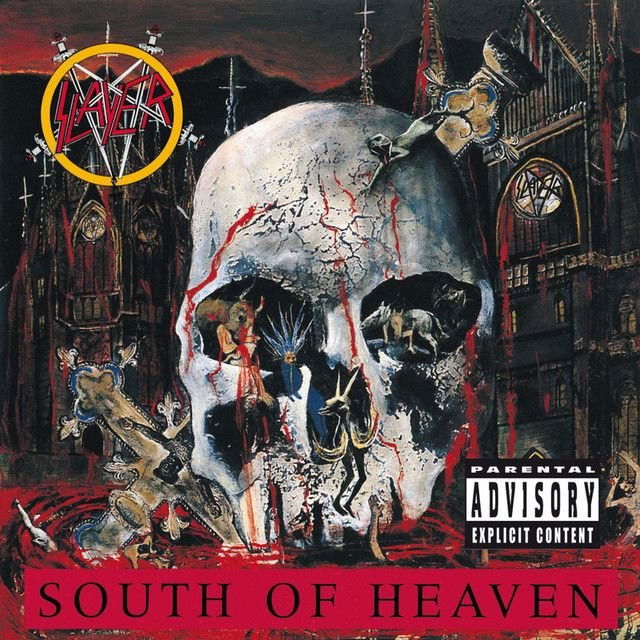
Cleanse the Soul by Slayer
A short, vicious song turns death into ceremony and ceremony into horror.
"Cleanse the Soul" - Slayer
Provided by LyricFindBody that rests before me,
With every dying breath,
Spellbound and gagged,Loading...Loading lyrics...
Unable to load lyrics
We're unable to display the lyrics at this time. Please try again later.
What the Meaning of Cleanse the Soul Slayer Points To
The meaning of Cleanse the Soul Slayer is not about healing in any normal sense. The title sounds purifying, but the lyrics describe a grotesque ritual where death, decay, and sacrifice are treated as sacred acts. Slayer take the language of religion and twist it into something foul.
On the surface, the song shows a body being prepared for burial and violation. But the deeper effect comes from how calmly that violence is staged. The setting includes an empty altar
, darkened church imagery, and ceremonial details that make the killing feel formal instead of chaotic.
Interpretation: that clash is the point. Slayer often used blasphemous or violent images not to preach belief, but to unsettle the listener. Here, they make death feel organized, almost holy, which is why the song lands as ritual horror rather than simple gore.
Watch the official Cleanse the Soul
music video
A Ceremony Built From Death and Decay
The first half of the lyric is obsessed with the body. Phrases like everlasting death
and flesh to dirt
push the listener toward the basic fact that every body ends in the ground.
But the song is not only about mortality. It lingers on rot, enclosure, and contamination. The body is not peacefully buried; it is trapped, corrupted, and made part of a larger rite. That is why the images feel less like a funeral and more like a desecration.
Then the setting shifts into church symbolism. The blackened windows, candles, and incense create a recognizable sacred space, but everything has been inverted. Instead of worship leading to redemption, worship leads to impaling, sacrifice, and possession.
Candles burn the midnight oil
Incense fills the night
Those lines are important because they slow the scene down. They do not describe attack; they describe preparation. The horror comes from patience.
Who Is Speaking in the Song?
The narrator sounds like a ritual leader or witness. They are not grieving the dead body before them. They are handling it, directing it, and turning it into an object inside a ceremony.
That is why the lyric feels cold. Even when the song gets graphic, it avoids emotional panic. The voice treats murder as procedure. In a Slayer song, that emotional distance often makes the imagery hit harder than a more dramatic scream would.
Interpretation: the speaker may not be one literal person at all. They can also be heard as the voice of corrupted authority: a priest, executioner, cult figure, or even death itself speaking through ritual language.
How the Song Moves From Corpse to Cult Rite
The lyric unfolds in a clear sequence:
- A dead or dying body is presented.
- That body is reduced to matter and decay.
- A chapel-like space is introduced.
- Observers prepare the victim through trance and recitation.
- Death is framed as art and power.
- The ritual ends with fire and entry into a warped kingdom.
That structure matters. The song begins with physical death, but it ends in spiritual corruption. By the final lines, the violence is no longer just murder. It has become initiation.
The key phrase is Death's an art
. That line reframes everything before it. The song is not showing random brutality; it is showing brutality elevated into doctrine.
Why South of Heaven Changes the Song's Impact
"Cleanse the Soul" appears as track eight on South of Heaven, Slayer's fourth studio album, released July 5, 1988. The album was produced by Rick Rubin and Slayer, with Andy Wallace handling recording and mixing, according to the widely cited album credits summarized by available reference sources.
That album matters to the song's meaning because Slayer deliberately changed approach after Reign in Blood. Jeff Hanneman said they felt they "had to slow down," and Kerry King said they wanted to "keep people guessing," as documented in reporting and album histories. That shift makes "Cleanse the Soul" feel more deliberate than frantic.
Instead of nonstop speed, the song benefits from a heavier, stalking pulse. The riffs leave room for the imagery to breathe. The drums do not just push momentum; they underline the ritual feel, like steps in a procession.
Interpretation: if this lyric had been played even faster, it might have felt like pure splatter. On South of Heaven, the slower thrash approach makes it sound more ceremonial and therefore more disturbing.
The Strange Place It Holds in Slayer History
There is also an interesting tension around the song itself. Although South of Heaven later earned strong standing in metal history, reactions at the time were mixed because of the slower direction. Tom Araya later called the album a late bloomer.
“Cleanse the Soul” is especially notable because Kerry King was unusually hard on it, calling it one of the band's weak spots and mocking its opening as a kind of “happy riff” before admitting the heavier section works better. That self-criticism does not erase the song's value, though. If anything, it highlights how odd the track is inside Slayer's catalog.
That oddness fits the lyric. The song sounds like it is balancing two modes: eerie setup and crushing payoff. That mirrors the words, which move from sacred atmosphere to violent climax.
Final Reading: Purification Turned Inside Out
In the end, the meaning of Cleanse the Soul Slayer is best understood as an inversion. Cleansing usually suggests release, healing, or salvation. Slayer turn it into the opposite: purification through destruction, burial, and sacrificial force.
Their message is not subtle, but it is effective. The song imagines a world where religion, death, and desire collapse into one ritual, and where the soul is not saved but consumed.
That is what gives the track its power. It is not merely about a corpse. It is about what happens when human beings make violence feel holy.
Disclaimer: This interpretation is based on the lyrics, album context, and public commentary, and other listeners may reasonably hear the song differently.







