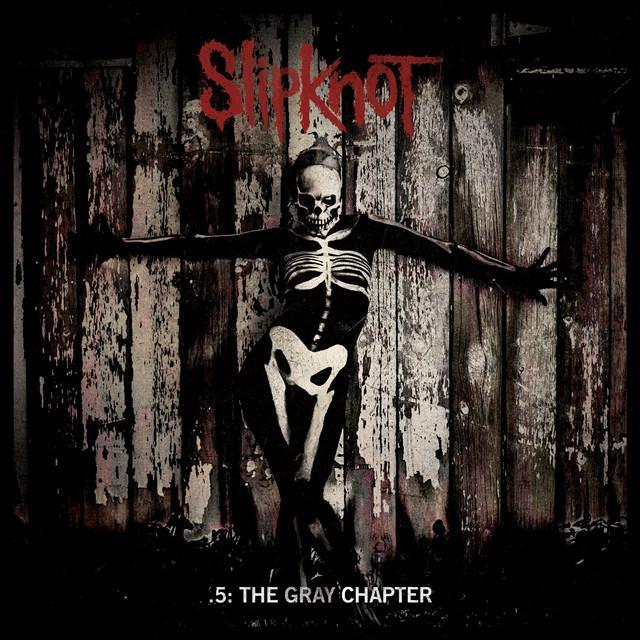
'Killpop' by Slipknot Is a Love/Hate Letter
Slipknot’s “Killpop” sounds like a breakup ballad wrapped in a metal storm. Beneath the hook and the menace, it reads as a letter to a toxic lover — a stand-in for the music industry and fame itself. For fans searching the meaning of Killpop Slipknot, the song maps the rush of adoration against the cost of staying adored.
"Killpop" - Slipknot
I turn with an ugly grin
Her canvas doesn't leave a lot to fantasy
Loading lyrics...
Unable to load lyrics
We're unable to display the lyrics at this time. Please try again later.
What the Title Really Targets
“Killpop” doesn’t mean ending pop music. It aims at the shiny surface that demands perfection, trends, and numbers. The band treats “pop” as a persona: captivating, cold, and consuming. Lines like sticking needles in her skin
turn beauty into pain, suggesting how presentation gets curated, injected, and policed.

Watch the official Killpop
music video
A Toxic Romance—With Music Itself
Interpretation: The “she” is the industry’s siren call and, at times, music itself. The narrator both worships and resents her. They admire her glow — a lovely sin
— but see the rot underneath. When they warn that no one hurts this pretty girl but her
, it hints at how image culture devours its own, rewarding harm and calling it glamour.
Maybe I should let her go But only when she loves me
This hook captures the addiction. He knows he should leave, but he’ll wait for one more hit of approval. That is the circular trap of commercial validation.
Who’s Talking, and Who Is “She”?
The narrator speaks in first person, shifting between seducer and captive. They’re “lost” not only in her world (lost inside her dirty world
) but also in their mind (lost inside my dirty head
). Those paired images show two prisons: the marketplace and the artist’s private obsessions. The “she” works as a composite — label demands, chart metrics, and the glossy myth that success will finally heal the hurt.
Key Story Beats, From Allure to Ruin
- Attraction: She is “beautiful,” almost sacred, which mirrors the thrill of being wanted by a mass audience.
- Bargain: The narrator gives in, believing pain is part of the deal. Love and punishment blur.
- Dependence: The chorus makes love conditional — he’ll go only after he gets love back. That clings to applause and sales.
- Violence of devotion: The later chants turn affection into compulsion, pushing desire until it becomes a command.
- Stalemate: Neither side truly lets go. The system needs the artist’s fire; the artist still craves its spotlight.
Symbols You Might Miss
- Needles/Canvas: Beauty built by puncture. Art becomes product, touched up until it bleeds.
- “Dirty” Worlds/Heads: Gritty production and intrusive thoughts. The grime is both sonic texture and a mental state.
- Pretty Girl Archetype: The industry as eternal youth—desirable, replaceable, and self-injuring to stay perfect.
- Sin and Sanctity: Calling it a
lovely sin
frames popularity as a guilty pleasure the band can’t quit.
Sound Design That Twists the Knife
“Killpop” lives between ballad and detonation. Clean guitars and airy pads set a mournful tone in the verses. Drums stay restrained, giving Corey Taylor space to croon. When the chorus hits, the guitars thicken, the kick pounds, and his delivery turns serrated. That contrast mirrors the theme: intimacy seduces you in, then the machine grinds you up.
On .5: The Gray Chapter (2014), Slipknot were grieving and rebuilding. The production (helmed with an ear for clarity and punch) lets melody and menace coexist. Taylor rides that balance, shifting from tenderness to a cutting snarl within a bar. It’s a sonic portrait of mixed feelings — the band still loves the stage, but they refuse to be owned by it.
Alternate Takes Worth Considering
- Interpretation: A straight portrait of a woman in self-destruction, with the narrator complicit. The repeated pleas and the coercive tone show how abuse can be dressed as devotion.
- Interpretation: A letter to “pop fans,” not pop itself — the fickle crowd that exalts and abandons. The chorus’s bargaining exposes how artists can chase an audience that’s always moving.
Each view holds because the song personifies harm and desire. The band leaves the symbol open so listeners can project their own entanglements — with lovers, with fame, or with any force that gives and takes.
Why the Hook Hurts So Good
For anyone parsing the meaning of Killpop Slipknot, the chorus reframes the verses as an argument with dependency. The melody feels warm, but the words are cold. Tying love to a condition — “only when she loves me” — shows how validation can become ransom. That duplicity is the song’s cruel genius.
Takeaway: Beauty With Teeth
“Killpop” is Slipknot at their most revealing: melodic, menacing, and honest about the cost of being wanted. It’s a breakup song with a spotlight, asking how far artists should go to be adored — and what happens when the applause keeps asking for more.
Disclaimer: Song interpretations are subjective; this analysis blends reported context with critical inference.