Snuff by Slipknot
Slipknot rarely sound this bare, which is exactly why this song hits so hard.
"Snuff" - Slipknot
Provided by LyricFindBury all your secrets in my skin
Come away with innocence, and leave me with my sins
The air around me still feels like a cageLoading...Loading lyrics...
Unable to load lyrics
We're unable to display the lyrics at this time. Please try again later.
Why the meaning of Snuff Slipknot cuts so deep
The meaning of Snuff Slipknot centers on heartbreak, shame, and the urge to push someone away before they can do more damage. Rather than telling a simple breakup story, the song shows a speaker who feels poisoned by pain. They do not just mourn lost love. They also seem to believe they are too damaged to hold onto it.
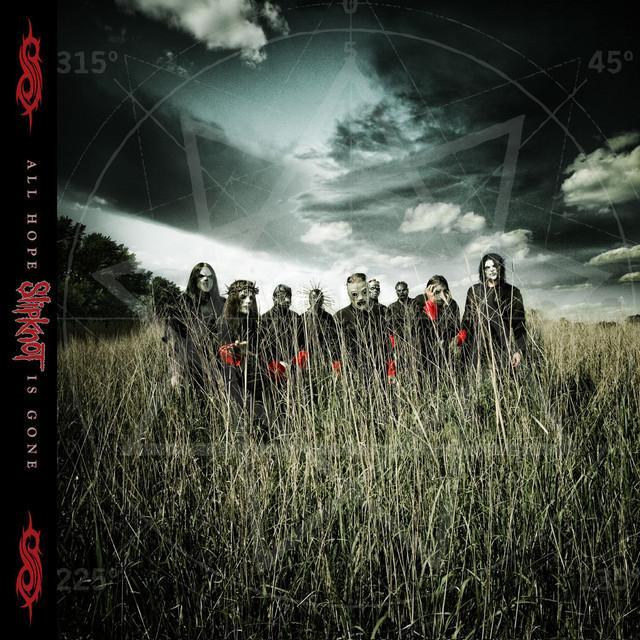
Factually, “Snuff” appeared on All Hope Is Gone and was released as a single in 2009. It is widely noted as one of Slipknot’s most stripped-down songs, leaning into acoustic guitar and melodic vocals instead of the band’s usual attack. It became their highest-charting song on Billboard’s Mainstream Rock chart, peaking at No. 2, according to the research summary above and public chart references collected in the song’s documented release history.
That softer sound matters. It frames the lyrics not as rage thrown outward, but as pain turned inward.

Watch the official Snuff
music video
A breakup song, but not a simple one
Corey Taylor has said the song came from “one of the heaviest times” of his life and pushed back on the idea that it was just a leftover track for another band. He also described it as being about someone who helped him through a lot and then deeply let him down. Those comments help ground the song in real emotional fallout rather than abstract sadness.
In the lyrics, the relationship begins with intimacy and trust, then turns into emotional captivity. Early images like bury all your secrets
and leave me with my sins
suggest a bond where one person confesses and leans on the other, but the result is not healing. It leaves the speaker carrying guilt and emotional weight.
Then the song introduces one of its key ideas: love and anger are tangled together. When the speaker says love feels like camouflage, they suggest tenderness may only be hiding deeper resentment. That line gives the whole song its unease.
The chorus turns love into self-exile
The chorus is the emotional center of the song. When the speaker pleads, if you love me, let me go
, they are not asking for freedom in a healthy sense. They are treating separation as mercy.
This is where the song becomes more than a breakup ballad. The speaker believes their heart is too dark, too numb, or too broken to protect anyone. In plain terms, they think staying close will only ruin what is left. That makes the chorus tragic because it sounds like a choice, but it also feels like surrender.
Interpretation: The song suggests that self-hatred can distort love. Instead of accepting comfort, the speaker rejects it because they think they do not deserve it.
Memory, betrayal, and the wound that stays open
In the second verse, the speaker clings to physical reminders of the relationship. The image of letters pressed to the lips shows how memory can keep love alive even after trust is gone. They still treasure the tenderness.
But the song then shifts from longing to accusation. The speaker says the other person refused to fight
, which implies abandonment at a critical moment. Whether that means the person left during a crisis, failed to defend the relationship, or simply pulled away emotionally, the impact is the same: the speaker feels deserted.
That tension is important. They miss the person, but they also resent them. They want closeness, yet they weaponize distance. This is why “Snuff” feels so raw. It captures the confusion of loving someone while feeling betrayed by them.
How the imagery builds the song’s world
Several recurring images sharpen the song’s meaning:
- Skin, air, and cage: These details make emotion feel physical and trapped.
- Letters and kisses: These stand for memory, intimacy, and what cannot be recovered.
- Stones, pity, and angels: These images turn the breakup into a struggle over blame, pride, and false comfort.
One of the harshest turns comes near the end with you sold me out
. That phrase compresses the speaker’s pain into betrayal. It does not sound like love fading naturally. It sounds like survival at someone else’s expense.
Interpretation: The religious language, especially the line about angels lying, may show the speaker losing faith not only in a person but in the stories people tell to soften cruelty.
Why the music matters as much as the words
“Snuff” works because Slipknot do not overload it. The arrangement is spacious, led by acoustic guitar, restrained drumming, and Taylor’s clean vocal. That choice lets every emotional crack show.
Joey Jordison once described hearing the song and helping shape it in the studio, later calling it Corey Taylor’s masterpiece. Taylor has also said Paul Gray strongly supported recording it. Those details matter because they show the band recognized the song’s power even though it sat far from their usual style.
The production by Dave Fortman and Slipknot keeps the track intimate. Instead of building toward chaos, it builds toward emotional exposure. For a band known for masks and force, that vulnerability is part of what made the song stand out.
Why listeners still connect with it
Part of the reason “Snuff” lasts is that it speaks to two common feelings at once: being hurt by someone else and being afraid that they were right to leave. Many breakup songs choose one side. This one lives in both.
It also holds an important place in Slipknot’s catalog. It became one of their most commercially successful songs and remains one of their most discussed emotional performances. Its legacy has grown because it shows that heaviness does not always need volume.
The lasting takeaway from Snuff
The meaning of Snuff Slipknot is not just sadness. It is the sound of someone trying to protect themselves by destroying the connection first. The song turns heartbreak into a battle between love, blame, memory, and shame.
Interpretation: Some listeners may hear it mainly as a breakup confession. Others may hear a deeper portrait of depression and self-rejection. Both readings fit the song’s language and mood.
Disclaimer: Song meaning is always part fact, part interpretation. This reading is based on the lyrics, documented artist comments, and the song’s musical context.