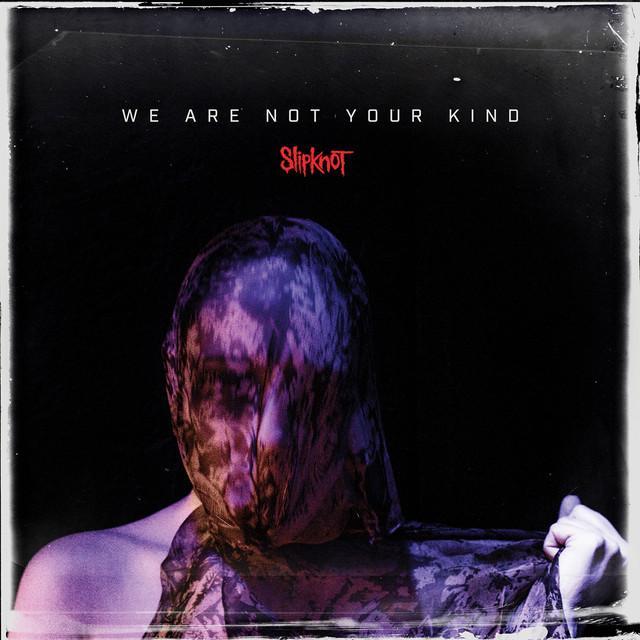
Solway Firth by Slipknot
The meaning of Solway Firth Slipknot comes down to pain that has gone public, then been denied. It is a furious song about betrayal, emotional damage, and the exhaustion of being treated like the problem instead of the person who was hurt. As the closing track on We Are Not Your Kind, it lands like a final statement rather than a loose ending.
"Solway Firth" - Slipknot
I'm counting all the killers
They sway as they swarm
Loading lyrics...
Unable to load lyrics
We're unable to display the lyrics at this time. Please try again later.
A closing song that sounds like a breaking point
“Solway Firth” was released on July 22, 2019, as the second single from Slipknot’s sixth album, We Are Not Your Kind. It was produced by Greg Fidelman and Slipknot, and it closes the standard version of the album. It also earned strong reviews, with outlets like Kerrang! and NME praising its weight and ambition. Those facts are widely documented in major discographies and release coverage.
That context matters because the song feels designed to end an album with no comfort left. It is almost six minutes long, and it moves like a confrontation that keeps getting more personal. The result is not just heavy. It is accusatory, wounded, and strangely controlled.

Watch the official Solway Firth
music video
What the song is really saying
At its core, the song presents a speaker surrounded by people who feed off damage. Early images describe watchers and scavengers, turning pain into spectacle. When the lyric says counting all the killers
, it sounds less like a literal body count and more like naming everyone who helped create the hurt.
Interpretation: the “killers” are not only enemies. They may also be fake supporters, critics, or even institutions that ignore suffering until it becomes useful. That reading fits the song’s repeated sense that people watch closely but care very little.
The key emotional turn is that the speaker no longer asks to be saved. In the chorus, they reject pity, denial, and shallow understanding. The line any other man
is especially important because it reduces the need to something basic: dignity. They do not want to be managed. They want to be recognized as human.
Who they are talking to
One of the most effective parts of the song is how it shifts blame from a vague crowd to a direct “you.” At first, the attack feels aimed at society at large. By the end, it becomes intimate and specific.
That shift is why the closing section hits so hard. The speaker moves from general alienation to personal betrayal, ending with I haven't smiled in years
. Paraphrased, the idea is brutal: this damage did not happen by accident, and it did not come from faceless strangers alone.
Public scapegoat, private wound
Song meaning sites and interviews have often linked the track to Corey Taylor feeling ostracized and made into a scapegoat. Taylor reportedly called it one of the most real things he had written, describing the strain of hiding pain while others deny it. That helps explain why the song feels both theatrical and deeply personal.
Still, the lyrics are broad enough that listeners can connect them to many forms of betrayal: toxic relationships, public backlash, mental health struggles, or long-term resentment inside a broken system.
The phrase that unlocks the title
The most puzzling line is the repeated Here's an unexplainable one
. Since the title never appears in the lyrics, this phrase may be the bridge between title and theme.
A common reading connects “Solway Firth” to the famous “Solway Firth Spaceman” photograph, an image long treated as eerie and unexplained. Interpretation: if Slipknot had that reference in mind, the song uses it as a symbol for distortion. People see something strange, tell stories about it, and miss the truth. That fits a song about false narratives, misreading pain, and turning a real person into an object of rumor or blame.
How the sound carries the message
Musically, the track mirrors its emotional split. Guitarist Jim Root has praised the song’s blend of ambient textures, moody drums, and a thrash-metal riff. That combination is easy to hear: the verses feel tense and crawling, while the heavier passages hit like panic turning into anger.
The drumming is crucial. Jay Weinberg’s performance keeps pushing forward, giving the song a battlefield momentum. Meanwhile, Corey Taylor’s vocals move from clipped control to open rage. When he delivers phrases like Don't look away
, it sounds like a demand to witness what others usually avoid.
This is why the song feels bigger than a diary entry. Slipknot use arrangement as meaning. The quieter spaces suggest pressure building. The explosive parts make that pressure impossible to hide.
A simple timeline of the lyric narrative
- The song opens with a scene of moral decay, where observers circle pain instead of helping.
- It moves into self-awareness: the speaker realizes they were living inside lies.
- The chorus sets boundaries, rejecting fake sympathy and concealment.
- The second verse turns toward severing ties and choosing survival.
- The ending identifies betrayal as personal, not abstract.
That structure gives the song its power. It starts as social commentary and ends as testimony.
Why “Solway Firth” stands out in Slipknot’s catalog
The meaning of Solway Firth Slipknot resonates because it balances two things Slipknot do very well: massive aggression and emotional clarity. Critics called it dramatic, troubling, and extremely heavy for a reason. It reaches back toward the band’s rawer intensity, but it also sounds more reflective than pure chaos.
The video, directed by Shawn “Clown” Crahan, mixes live footage with scenes from The Boys, adding to the feeling of violence as spectacle. That visual choice suits a song about watching harm happen in plain sight.
Final takeaway
In the end, “Solway Firth” is about what happens when pain is denied for too long. The speaker stops asking to be understood and starts demanding that others stop lying about what happened. That is what gives the song its force: beneath the anger is a plea for plain, human truth.
Disclaimer: This interpretation draws on the lyrics, band commentary, and public reporting, but song meaning remains partly subjective and can vary by listener.








