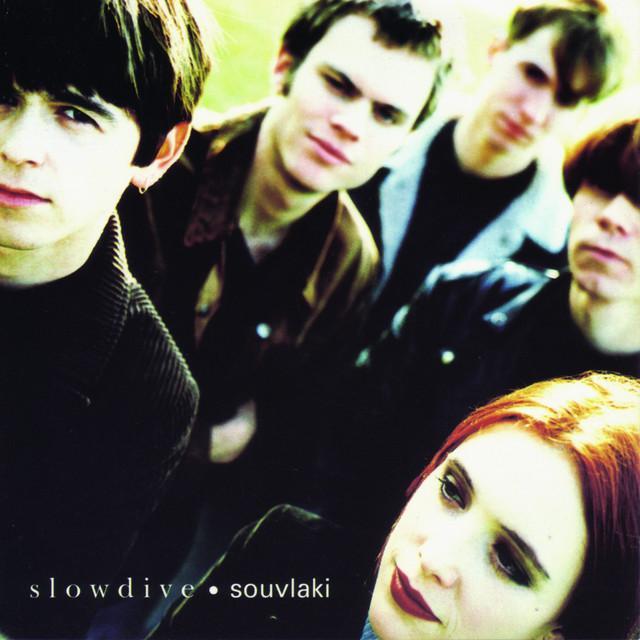
Sing by Slowdive
Why This Song Feels Like a Half-Remembered Loss
The meaning of Sing Slowdive is less about a clear plot and more about a mental state. The song feels like watching someone drift out of reach while trying to keep them alive in memory. Its words are sparse, but the feeling is strong: longing, confusion, and a quiet fear that a bond has already broken.
"Sing" - Slowdive
Here come my man
Sing where the other boys can watch you dance
Loading lyrics...
Unable to load lyrics
We're unable to display the lyrics at this time. Please try again later.
That emotional blur fits Slowdive's early style. On their debut album Just for a Day, the band built songs that often feel suspended between dream and reality. "Sing" is one of the clearest examples. Rather than explain itself, it lets repeated images do the work.
Watch the official Sing
music video
The Core Meaning Hides in Repetition
At the center of the song is the recurring image watch you dance
. Before and after that phrase, the lyric suggests public display, private fixation, and a speaker who cannot fully connect with the person they see. The repeated invitation to sing where others can watch creates tension: this person is visible to everyone, yet emotionally unavailable to the one narrating.
Interpretation: the song may be about jealousy. The phrase other boys
hints at rivalry, or at least the pain of seeing someone desired by others. But the song does not sound angry. It sounds stunned, almost numb.
Another key phrase is here in my mind
. That shifts the action inward. What looks like an outside scene may really be happening in memory or fantasy. The speaker may be replaying a painful image rather than living through it in real time.
A Speaker Who Watches More Than They Act
The voice in "Sing" is passive. They observe, remember, and react, but they do not seem able to change anything. That matters to the meaning of Sing Slowdive because it gives the song its helpless quality.
The line fall away
appears as a simple image, but it carries emotional weight. It suggests disappearance, drifting, or the slow collapse of closeness. This is not the language of a dramatic breakup scene. It is the language of somebody realizing, too late, that connection is fading.
We're fine, you are blind
Caught it from behind
This short passage is especially slippery. On the surface, it sounds defensive, even bitter. Someone says things are fine, but the next words undercut that claim. Interpretation: the speaker may be talking to a partner who cannot see the truth, or they may be lying to themselves.
Images of Death, Blindness, and Departure
One of the song's most striking moments includes the phrase cover death
. Slowdive do not explain it, and that is why it lingers. It could point to emotional numbness, an attempt to hide pain, or even a kind of ritualized beauty placed over something dead inside a relationship.
The song also uses blindness and absence. The speaker says someone is blind, then later suggests someone is gone. Those ideas connect neatly: first, a person cannot see what is happening; then the chance to repair things disappears.
A loose timeline emerges:
- The speaker watches someone perform or move in front of others.
- They internalize the scene and replay it mentally.
- They sense emotional decay and denial.
- By the end, absence feels permanent.
That progression gives the song its mournful shape, even though the lyrics stay fragmented.
How the Sound Deepens the Meaning
The production is a huge part of why "Sing" hits so hard. Slowdive's early work, shaped in part by Brian Eno's songwriting influence on this track's credits, leans on washed-out guitars, soft drumming, and vocals that feel buried inside the mix rather than placed on top.
That choice matters. The song does not present emotion in a sharp, direct way. It smears emotion across texture. Listeners do not just hear sadness; they hear it dissolve. This is one reason shoegaze became such a useful label for Slowdive, though the band's music was always more emotionally precise than the stereotype suggests. The group has spoken in NME archives and later retrospectives about atmosphere being central to their sound.
In "Sing," the instruments move slowly enough to feel heavy, but softly enough to feel ghostly. That mix mirrors the lyrics: the pain is real, yet hard to grasp. The vocals sound almost detached from the body, as if the speaker is already half gone.
Two Strong Ways to Read the Song
Interpretation 1: A jealous love song. In this reading, the speaker watches someone they love become absorbed by another social world. The references to other boys, blindness, and someone staying or going suggest rivalry and emotional abandonment.
Interpretation 2: A dream of grief and dissociation. In this reading, the song is less literal. The dancing figure becomes a symbol of beauty that cannot be held. Death, blindness, and fading all point to emotional shock. The speaker is not just losing a person; they are losing their grip on the moment itself.
Both readings fit because Slowdive leave the song open on purpose. They build feeling first, then let listeners decide what story best explains it.
Why "Sing" Still Resonates
The meaning of Sing Slowdive lasts because the song understands a common pain: sometimes people do not leave all at once. Sometimes they fade in public, in memory, and in the mind before they are fully gone.
"Sing" captures that process with unusual gentleness. It is sad, but not theatrical. It is confused, but not empty. That balance is why the song still feels intimate decades later.
Disclaimer: This interpretation is based on the recorded lyrics, musical context, and documented band history. As with many Slowdive songs, some meanings remain open to listener interpretation.








