Why “Sound Bwoy Bureill” Hits So Hard
A battle record, not a diary
The meaning of Sound Bwoy Bureill Smif-N-Wessun starts with conflict. This is not a reflective song about private pain. It is a war chant, built from hip-hop battle rap and Jamaican sound-clash language. Smif-N-Wessun use the track to present themselves as untouchable, disciplined, and ready to crush weak competition.
"Sound Bwoy Bureill" - Smif-N-Wessun
You cannot cross the border cah we alkaline body
You weh come, we kill you already
Loading lyrics...
Unable to load lyrics
We're unable to display the lyrics at this time. Please try again later.
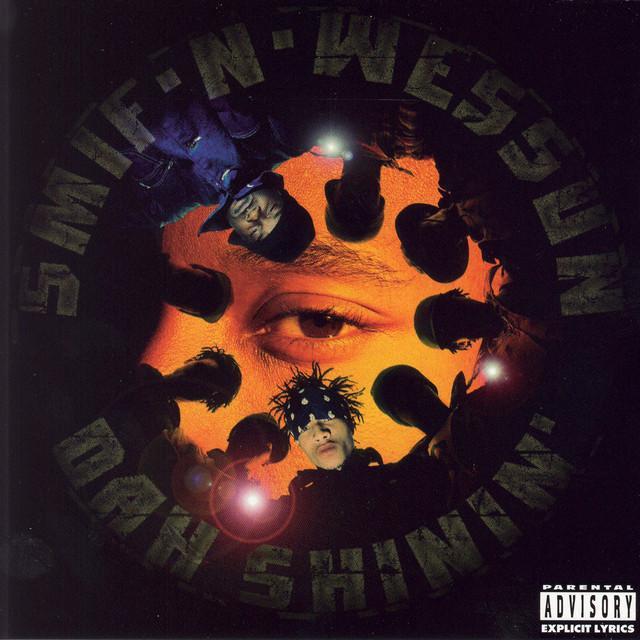
Factually, the duo emerged from Brooklyn’s Boot Camp Clik orbit in the early 1990s and became known for rugged street rap and patois-heavy delivery, especially on their debut album Dah Shinin’ (AllMusic, Discogs). That context matters because this song speaks in a style where exaggeration, intimidation, and verbal dominance are expected.
So when they talk about enemies being finished before they even start, they are building a persona. The title itself points to that. In dancehall culture, a “sound bwoy” is a rival sound system or rival camp. “Bureill” signals burial. The song is basically a declaration that challengers will be buried in competition.

Watch the official Sound Bwoy Bureill
music video
Where the threat language comes from
Sound-clash rules shape the lyrics
A lot of the song’s violence makes more sense when heard as performance language. In sound-clash tradition, artists talk as if they are destroying opponents in public. That rhetoric is extreme by design. The opening challenge about the champion sound
sets the frame right away: this is a contest for status.
The chorus sections keep returning to that same idea. Rivals “cannot test” them because Smif-N-Wessun see themselves as the reigning crew. The taunts are less about one real person and more about any outsider who claims the crown.
Interpretation: the song turns music competition into battlefield theater. It is meant to sound absolute, not reasonable.
How the verses build power
Each verse adds a new layer to the duo’s image. They boast about toughness, local credibility, and crew loyalty. References to Bucktown and Boot Camp Clik tie their identity to place and collective strength. When they say Boot Camp Clik out of Bucktown
, they are not just repping a neighborhood. They are framing their whole movement as organized and feared.
They also mix American street rap with Jamaican phrasing. That blend matters. It lets the song feel bigger than a standard rap diss. It becomes a cross-Caribbean, Brooklyn-shaped style of dominance.
One short passage captures the warning tone:
Don’t, don’t, don’t
test the champion sound
Even here, the point is simple: do not challenge what is already established. The repetition makes the warning feel public, almost ritualistic, like a crowd chant at a clash.
The darkest part of the song
There is no way around it: parts of “Sound Bwoy Bureill” use violently homophobic language. That was present in some 1990s dancehall and rap scenes, and this track reflects that ugly history. Explaining the song does not excuse it.
For modern listeners, this changes the experience. What may have functioned then as borrowed clash vocabulary can now sound cruel and harmful in a more direct way. That tension is part of the song’s legacy. It is important to name it clearly rather than soften it.
Interpretation: the song’s central competitive message can be understood without defending its most offensive language. Those lines show how the era’s macho posturing often crossed into dehumanization.
Why the production feels like a siege
The beat makes the threats believable
The production is key to the meaning. Smif-N-Wessun worked closely with Da Beatminerz during the Dah Shinin’ era, and that team became famous for murky, bass-heavy, smoked-out sound design (AllMusic, Album of the Year). On this track, the beat does not rush. It stalks.
That matters because the lyrics are full of threats, but the music does not panic. It lumbers forward with confidence. The low-end, the hard drums, and the spacious mix give the verses room to hit like commands instead of frantic boasts.
The hook voices and patois samples also deepen the song’s clash atmosphere. They make the track sound communal, like a whole crew backing the warning. When the record says rivals have nuff reason to worry
, the beat makes that line feel less like trash talk and more like a sentence already passed.
Artist context helps explain the swagger
Smif-N-Wessun built their early identity around survival, militancy, and unmistakable regional style. They were part of a mid-1990s New York rap moment that prized hard beats, coded street language, and strong group alliances. In that setting, “Sound Bwoy Bureill” works as a mission statement.
They are telling listeners who they are: not polished, not diplomatic, and not interested in compromise. Phrases like realness
and serve justice
suggest they see themselves as authentic enforcers in a fake scene. That does not mean they are offering literal justice. It means they are claiming authority.
Interpretation: beneath all the menace, the song is about artistic legitimacy. Smif-N-Wessun are trying to prove that their sound, their block, and their crew cannot be copied or beaten.
So what is the song really saying?
At its core, the meaning of Sound Bwoy Bureill Smif-N-Wessun is simple: challengers will be overwhelmed by a stronger identity, a stronger crew, and a stronger sound. The song uses battle rap, dancehall clash talk, and dark production to make that message feel total.
Its power comes from certainty. Its weakness is that some of that aggression turns ugly in ways many listeners will reject today. Both things are true at once.
In the end, the song lasts because it is more than a diss. It is a full performance of dominance: local pride, crew loyalty, musical intimidation, and the belief that style itself can bury the competition.
Disclaimer: This article offers interpretation based on the lyrics, artist context, and production history. Meaning can vary by listener, and interpretation should not be confused with confirmed artist intent unless directly sourced.








