Why “You’ve Really Got a Hold on Me” Still Hurts
The Heart of the Song’s Meaning
The meaning of You've Really Got A Hold On Me Smokey Robinson, The Miracles starts with a contradiction: they are stuck between love and pain. The singer knows the relationship is unhealthy, yet they cannot walk away. That push-pull feeling gives the song its power.
"You've Really Got A Hold On Me" - Smokey Robinson, The Miracles
Seems that I'm always thinking of you
Oh, oh, oh, you treat me badly
Loading lyrics...
Unable to load lyrics
We're unable to display the lyrics at this time. Please try again later.
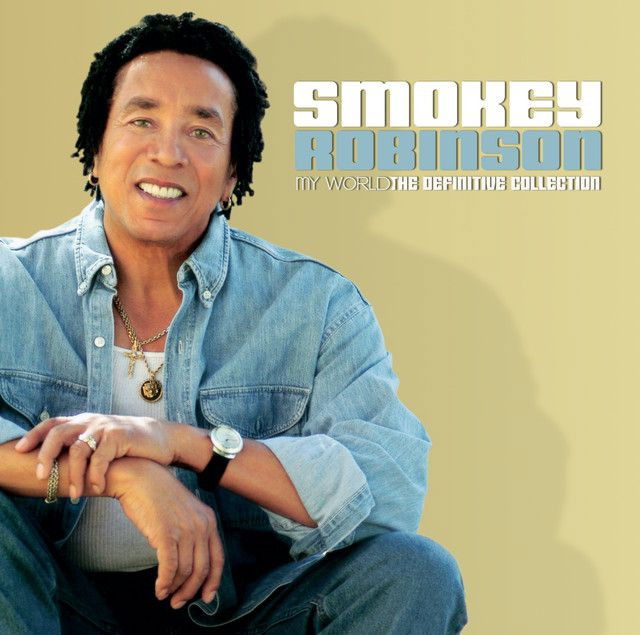
Smokey Robinson wrote the song, and The Miracles turned it into one of Motown’s clearest portraits of emotional conflict. According to the Rock & Roll Hall of Fame, Robinson was one of the label’s key songwriters and voices. That matters here, because this song sounds simple at first, but it captures a very complicated truth: love can feel real even when it also feels damaging.
The opening thought says almost everything. The singer admits I don't like you
but also confesses love. In plain terms, they are describing a bond that no longer brings peace. Instead, it brings dependence, frustration, and longing all at once.

Watch the official You've Really Got A Hold On Me
music video
A Love Song Built on Tension
What makes this lyric so striking is how often it turns against itself. The singer says I don't want you
, then immediately admits need. Later, they want to leave but cannot. These reversals are not random. They show a mind arguing with itself.
Interpretation: the song is not just about romance. It is about emotional captivity. The word “hold” suggests more than affection. It hints at a grip, a force, or a habit that is hard to break.
That is why the chorus lands so hard. The phrase you really got a hold on me
works like both a confession and a warning. It sounds loving on the surface, but inside the verses, it carries fear and exhaustion too.
How the Story Moves Line by Line
The song unfolds in a clear emotional pattern:
- First, they admit mixed feelings.
- Next, they describe being treated badly.
- Then, they confess their love has only grown stronger.
- Finally, they say they want to leave but cannot quit.
This simple structure mirrors a cycle many listeners recognize. The singer is aware of the problem, but awareness alone does not free them. When they admit you treat me badly
, the relationship stops sounding merely difficult and starts sounding painful.
I want to leave you
I can't quit now
That two-line turn may be the song’s emotional center. In just a few words, it shows the trap: desire and self-protection are fighting, and desire is winning.
Smokey Robinson’s Gift for Plain, Sharp Writing
One reason the song has lasted is Robinson’s direct style. He does not hide behind abstract poetry. The words are conversational, but they cut deep. As Encyclopaedia Britannica notes, Robinson became known for elegant songwriting that could be both accessible and emotionally rich.
Here, the language is especially effective because it sounds like something a real person would say in the middle of confusion. They are not giving a polished speech. They are blurting out hard truths.
Interpretation: that plainness makes the song feel honest rather than dramatic. Listeners can hear someone trying to understand their own weakness in real time.
The Motown Sound Carries the Meaning
The production helps explain why the song feels tender even when the lyrics are troubled. Released in 1962 and later included on The Fabulous Miracles, the track came from Motown’s early hit-making era, when the label was shaping a smooth but emotionally vivid soul sound, as outlined by Motown Museum.
The rhythm is steady, not frantic. The groove sways instead of exploding. That choice matters. A harsher arrangement might have turned the song into pure heartbreak. Instead, the music keeps it intimate.
Robinson’s lead vocal also does important work. He does not belt the song like a showdown. He sounds pleading, wounded, and still drawn in. The Miracles’ backing voices answer him in a way that strengthens the feeling of being surrounded by emotion rather than escaping it.
Why the Repetition Matters
The repeated hook is not filler. It acts like a thought the singer cannot stop thinking. Each return to the main line sounds less like a neat chorus and more like proof that they are stuck inside the same feeling.
In that sense, repetition becomes meaning. The song circles because the singer is circling.
Why Listeners Still Connect With It
Part of the song’s staying power is that it refuses easy moral lessons. It does not say love is noble. It does not say leaving is easy. It simply shows how people can remain attached even when they know better.
For many listeners, that honesty feels modern. The song came from the early 1960s, but the emotional pattern still fits current conversations about toxic bonds, attachment, and mixed signals. It never needs modern vocabulary to get there.
There is also a deeper reason it lasts: the song treats vulnerability seriously. The singer is not proud of their situation, but they tell the truth anyway. That makes the performance human.
Final Take on the Song’s Message
The meaning of You've Really Got A Hold On Me Smokey Robinson, The Miracles is the pain of loving someone they know they should resist. Its genius lies in how clearly it captures that split between mind and heart.
Factually, it is a landmark Smokey Robinson composition and an early Motown classic. Interpretation: emotionally, it is about the frightening moment when love starts to feel like loss of control.
That is why the song still lands today. It is soft, catchy, and deeply unsettled at the same time.
Disclaimer: This interpretation is based on the recorded lyrics, performance, and available historical context. As with most songs, listeners may hear additional meanings.







