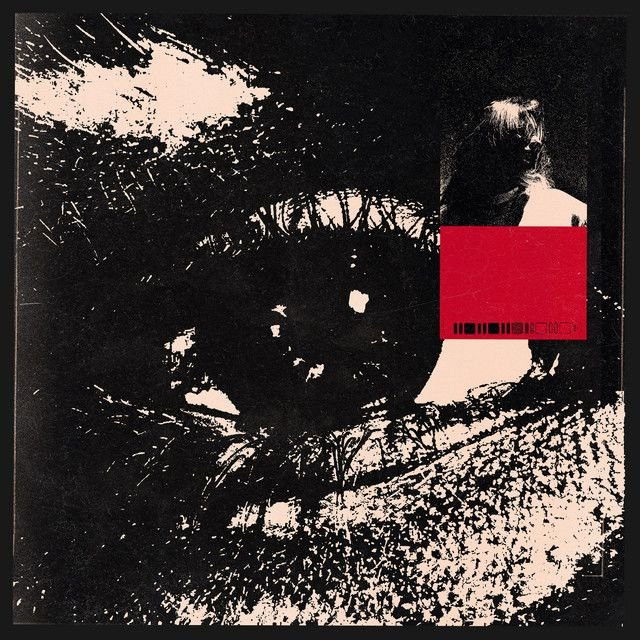
What You Heard by Sonder
Why This Song Feels So Unsettling
The meaning of What You Heard Sonder centers on a relationship that is not stable, clean, or fully honest. The song sounds intimate at first, but the words quickly reveal control issues, jealousy, and emotional pressure. Rather than offering sweet romance, Sonder present attraction as something messy and half-destructive.
"What You Heard" - Sonder
I'm prone to that, do it all the time
Keep your guard up or wait in line
Loading lyrics...
Unable to load lyrics
We're unable to display the lyrics at this time. Please try again later.
That tension is the point. The speaker wants closeness, but they also seem to enjoy the chaos that comes with it. When they admit being prone to that
, they are not defending themself. They are confessing a pattern.

Watch the official What You Heard
music video
A Voice Torn Between Desire and Damage
At the heart of the song is a narrator who wants access to someone else’s inner life, but not on equal terms. They ask questions, challenge rumors, and push for honesty. Yet they also reject limits. The result is a voice that sounds wounded and controlling at the same time.
This is why the hook matters so much. The repeated challenge what's the word?
is really a demand for the truth behind mixed signals, gossip, or emotional uncertainty. Right after that, the line tell me when it hurts
turns the mood darker. It suggests they are less interested in mutual healing than in testing how far the connection can go.
Interpretation: The song is not simply about wanting someone. It is about wanting emotional power over a situation that already feels unstable.
The Story Inside the Verses
First, they admit the damage
The opening verse introduces someone who knows they bring trouble. They warn the other person to stay alert and then ask to unleash my demons
. That phrase frames desire as something invasive, not gentle.
In plain terms, the speaker is saying: they are emotionally dangerous, and they know it. This self-awareness does not stop the behavior. If anything, it makes the confession more unsettling.
Then, they challenge the relationship around them
The second verse widens the scene. Another person is present, or at least another relationship is. The speaker mocks the idea that this situation is romantic and calls it hopeless instead. They also compare their own flaws to the other person’s, eventually admitting they may not be so different after all.
That is one of the smartest turns in the song. Instead of pretending innocence, they recognize their own reflection in the chaos. This makes the song feel less like a simple seduction and more like a collision between two unstable people.
Finally, they make a pitch
Near the end, the lyrics shift into direct competition. The speaker argues that if the current partner were truly good enough, there would be no reason to worry. They offer security, sex, money, and total attention.
That promise is seductive, but also possessive. It sounds generous on the surface, yet the goal is control: replace the rival, shut out others, and become the only one that matters.
What the Chorus Really Means
The chorus is where Sonder compress the whole conflict into a few lines. The speaker wants facts, not advice. They do not ask what is healthy or wise. They ask what people are saying and when the pain begins.
Then comes the phrase it's murder
. Taken literally, it would be too extreme for the song’s emotional register. Interpretation: it works better as metaphor. It describes a kind of intimacy so intense that it overwhelms boundaries, judgment, and calm.
That metaphor matters because it turns attraction into threat. The song keeps blurring the line between passion and harm, which is why it lingers after it ends.
How Sonder’s Sound Deepens the Meaning
Sonder’s style has long lived in the space between alternative R&B, minimal soul, and late-night confession. On this track, that approach is especially effective. According to an EARMILK review, the song opens with lullaby-like melodies, acoustic guitar plucks, finger snaps, and deep synths, creating a vulnerable and suspended atmosphere.
That sonic design supports the lyrics perfectly. The soft opening makes the speaker sound exposed, almost tender. But as the track develops, heavier bass and stronger percussion arrive. EARMILK notes that the song builds into a crescendo, which can be heard as the emotional pressure rising.
Brent Faiyaz’s vocal delivery is crucial too. He does not sing these lines like a victory lap. He sounds bruised, tired, and hungry at once. That blend keeps the song from becoming one-note. Even when the speaker is manipulative, the performance still carries genuine hurt.
The Strongest Reading of the Song
The best way to understand the meaning of What You Heard Sonder is to see it as a portrait of toxic honesty. The speaker is unusually direct, but honesty alone does not make them safe or noble. They tell the truth about their jealousy, lust, and insecurity, yet they still try to dominate the relationship.
A second reading is possible too. Interpretation: the song may also be about rumor and mistrust—about trying to get past what has been said by others and reach something real. In that reading, the repeated questions are not just possessive; they are desperate.
Both readings can live together. That is part of the song’s strength.
Why the Song Still Connects
Listeners return to this track because it refuses to clean up ugly feelings. It understands that attraction can come with ego, rivalry, and self-sabotage. Instead of hiding that, Sonder place it in a bare, spacious arrangement that makes every confession hit harder.
In the end, the song is not telling people how love should work. It is showing how desire can sound when honesty arrives too late and tenderness has already been mixed with damage.
Disclaimer: This interpretation is based on the released lyrics, performance, and available reporting, and song meaning can remain open to different listener readings.









