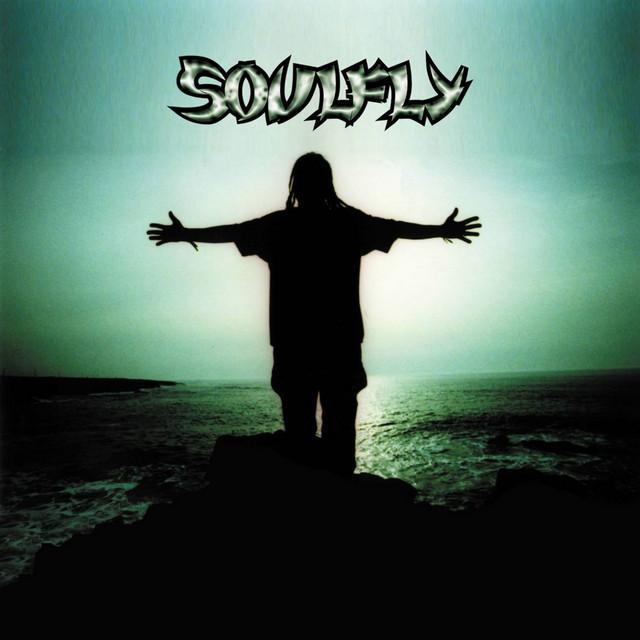
Tribe by Soulfly
Why This Song Hits So Hard
The meaning of Tribe Soulfly centers on identity, ancestry, and collective strength. Rather than telling a detailed story, the song works like a declaration. It says that culture is not a costume, not a trend, and not something outsiders can easily erase.
"Tribe" - Soulfly
Zumbi e o senhor das demandas
Quando zumbi chega
Loading lyrics...
Unable to load lyrics
We're unable to display the lyrics at this time. Please try again later.
That idea comes through fast in the repeated hook, especially Your tribe, our tribe
. In plain terms, the lyric turns difference into solidarity. It suggests a border crossing between "yours" and "ours," then pushes toward unity instead of separation.
This fits Soulfly's larger artistic mission. Frontman Max Cavalera has long mixed metal with global percussion, spiritual themes, and references to Indigenous and non-Western cultures in Soulfly's catalog. "Tribe" is one of the clearest examples of that approach.
Watch the official Tribe
music video
A Song About Heritage, Not Just Belonging
At its core, the song argues that roots matter. The speaker does not ask for approval. They defend inherited identity as something alive and powerful.
That feeling sharpens in the line my pride and my roots
. The phrase is brief, but its message is big: heritage is a source of dignity. The song is not only about personal pride, though. It widens that pride into a shared human experience, where communities carry memory across generations.
Interpretation: This is why the word "tribe" matters here. It can point to literal Indigenous peoples named in the song, but it also works as a broader symbol for community, origin, and resistance to cultural loss. The lyric keeps moving between the specific and the universal.
The Opening Invocation and Its Meaning
The opening lines refer to Zumbi, widely understood as Zumbi dos Palmares, the Afro-Brazilian resistance leader tied to the Quilombo dos Palmares. That historical reference gives the song political weight before the guitars fully take over. It connects the idea of tribe to anti-colonial struggle and survival.
The song begins almost like a chant, with a ritual tone rather than a standard verse. That matters because it places memory first. Before the main riff drives forward, the listener is asked to hear history.
Zumbi e o senhor
quando zumbi chega
Those brief phrases suggest authority, conflict, and arrival. Even without long detail, they frame Zumbi as a figure of power in popular belief. In context, the song treats history not as dead fact but as living energy.
How the Chorus Turns “Me” Into “Us”
One reason the meaning of Tribe Soulfly feels so immediate is the chant-like chorus. The words are simple, but the repetition gives them force. When the song repeats Your god, our god
and related lines, it blurs ownership and challenges rigid divisions.
This does two things at once:
- It rejects the idea that one group owns truth.
- It builds a communal voice from many backgrounds.
Interpretation: There is tension in that move. Some listeners may hear it as inclusive and spiritual. Others may hear a more confrontational message: if power draws lines between people, the song answers by tearing those lines down.
That dual effect is part of why the chorus sticks. It is easy to shout along with, but it also carries a serious theme about who gets to define culture.
The Long List of Peoples Is the Point
Midway through, the song names many Indigenous and tribal groups from different parts of the world. This is one of its most important choices. Instead of speaking only in abstract terms, it fills the song with names, turning the track into a roll call of survival.
That list changes the emotional scale. Suddenly, the song is not just one singer claiming identity. It becomes a crowded room of histories, languages, and peoples.
Interpretation: The list can be heard as an act of respect and recognition, though modern listeners may also ask hard questions about whether all these identities can be gathered under one umbrella without flattening their differences. That tension is real. Still, the song's intent appears to be reverence and solidarity rather than erasure.
The Sound Makes the Message Physical
Soulfly's production style is crucial to the song's meaning. The guitars are thick and percussive, the rhythm feels march-like, and the vocals are delivered as commands more than confessions. That makes the track feel embodied. It does not merely describe pride; it performs it.
The line Hear the drums
is key because the music follows through on that image. Drums in this song are not background decoration. They symbolize continuity, ritual, and communal motion. The groove feels older than the metal frame around it.
According to Discogs credits, "Tribe" appears on Primitive by Soulfly, released in 2000. That album came during a period when nu metal, groove metal, and world-influenced heavy music were colliding in the mainstream. "Tribe" stands out because it uses that moment to make a statement about roots rather than fashion.
Final Take on the Song's Meaning
The meaning of Tribe Soulfly is ultimately about refusing cultural disappearance. It celebrates ancestry, links spiritual energy to resistance, and turns heavy music into a communal chant.
What makes the song memorable is its directness. It does not hide behind metaphor for long. It names, repeats, and insists. That can make it feel more like a manifesto than a narrative, and that is exactly why it lands.
For many listeners, "Tribe" feels empowering because it says identity can survive pressure, distance, and history. Interpretation: Its broadest message is that people are strongest when they remember where they come from and refuse to let others define what that means.
Disclaimer: This interpretation is based on the lyrics, historical references, and available context around Soulfly. Song meaning can vary from listener to listener.








