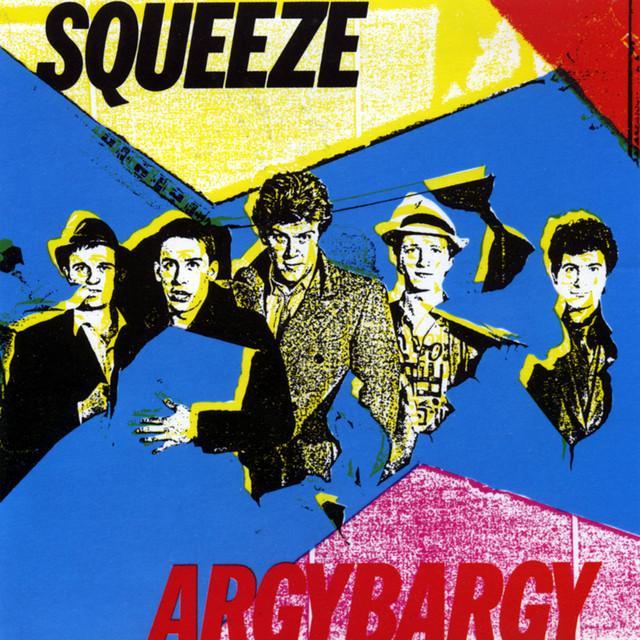
Why Squeeze Turned a Seaside Trip Into Pop
For anyone searching for the meaning of Pulling Mussels (From The Shell) Squeeze, the short answer is this: the song turns an ordinary British beach holiday into a funny, vivid, and slightly naughty coming-of-age memory.
"Pulling Mussels (From The Shell)" - Squeeze
They do it at Waikiki
Lazing about the beach all day,
Loading lyrics...
Unable to load lyrics
We're unable to display the lyrics at this time. Please try again later.
Released on Argybargy in 1980, the track became one of Squeeze's signature songs and reached No. 44 on the UK Singles Chart, later growing into a fan favorite and live staple, according to reference summaries from Wikipedia and Songfacts. What keeps it fresh is the way it mixes postcard details, class observation, and sexual innuendo without ever sounding heavy.
A Beach Postcard With a Wink
On the surface, the song is a set of little scenes from a holiday camp. They move from beaches and paperbacks to bingo, coach drivers, and people trying to look glamorous for a weekend. The opening contrast between Camber Sands
and Waikiki
says a lot right away.
The joke is that these places are not equal in fantasy value. One is a very British seaside spot; the other is a world-famous tropical image. By placing them side by side, Squeeze shows how working-class holidays can carry both modest reality and big-screen dreams.
Chris Difford said the lyrics came from his own holiday-camp memories. Songfacts quotes him describing a caravan stay and the atmosphere of a traditional working-class weekend away, along with the excitement of seeing a huge night sky away from London. That background matters because the song is not mocking these people from a distance. It feels lived-in.

Watch the official Pulling Mussels (From The Shell)
music video
The Real Center of the Song
The chorus shifts the song from public comedy to private experience. When the narrator says behind the chalet
, the track stops being only social observation and becomes personal.
Interpretation: this is where the song reveals its real subject: desire, awkward intimacy, and youthful bragging wrapped in wordplay. The title phrase pulling mussels from a shell
is widely discussed as a sexual double entendre. Reference sources, including the research provided, state that Difford coined the phrase with an explicit meaning in mind.
That helps explain why the chorus feels both triumphant and silly. The line about the holiday being complete is not really about sightseeing. It is about a private sexual milestone, remembered with humor instead of romance.
My holiday's complete
Pulling mussels from a shell
Even in that moment, the song avoids sentimentality. It treats desire as part of the holiday atmosphere: impulsive, comic, and slightly ridiculous.
Small Characters, Big Social Detail
One reason the song endures is its eye for detail. The verses are packed with snapshots: beachgoers, paperback readers, people sheltering from rain, women window-shopping, and bingo culture. A phrase like everybody wants a hat
is funny because it captures how quickly people perform style and status on vacation.
These details also give the song a strong social setting. This is not a luxury escape. It is a place of chalets, caravans, harbor bars, and souvenir shopping. Squeeze often wrote brilliantly about everyday British life, and this song is one of their sharpest examples.
Interpretation: the narrator seems both inside and outside the scene. They notice its tackiness and small vanities, but they also share in its pleasures. That mix of affection and irony is central to the meaning.
Why the Music Sounds So Joyful
The music is a big reason the song lands so well. Factually, the track was written by Chris Difford and Glenn Tilbrook, with Difford handling lyrics and Tilbrook the music, and it was produced by John Wood and Squeeze, as noted by Wikipedia. It also features a memorable piano part by Jools Holland.
The arrangement is bright, bouncy, and clean. Critics have praised that energy for years; AllMusic called it a vivid seaside portrait lifted by Tilbrook's invigorating pop writing. That description fits because the tune never sinks into nostalgia. Instead, it moves with the restless excitement of a day at the shore.
Glenn Tilbrook also said the chorus turnaround was influenced subconsciously by hearing the Tubes' White Punks on Dope
, according to the same reference summary. That helps explain the song's slightly grand, theatrical lift in the refrain.
Two Meanings Working at Once
The smartest thing about the song may be that it never chooses between innocence and innuendo. It works as:
- a comic sketch of British holiday culture
- a memory of sexual discovery
- a portrait of people trying to feel glamorous for a weekend
Those layers support each other. The silliness of the surroundings makes the intimate moment funnier, while the intimate moment gives the beach scenes a pulse and payoff.
For American listeners, some references may seem very British, but the emotional pattern is familiar. Everyone knows the feeling of a trip that is half boring, half magical, and remembered forever because of one charged encounter.
Why It Still Connects
The meaning of Pulling Mussels (From The Shell) Squeeze lasts because the song understands how memory really works. People do not remember every detail of a vacation in order. They remember flashes: a beach, a drizzle, a paperback, a crowded room, and one moment that suddenly seems to define the whole trip.
Squeeze turns that messy memory into pop that feels witty and human. It is catchy enough to sing along with, but observant enough to reward close listening.
Final takeaway
At heart, the song is about ordinary people, holiday fantasy, and private desire hiding inside public routine. Interpretation: its genius lies in making a cheeky sexual joke feel like part of a much bigger picture of youth, class, and summer escape.
Disclaimer: This interpretation draws on documented background and common critical readings, but song meaning can remain personal and open to debate.






