Up The Junction by Squeeze
A pop song that plays like a short film
The meaning of Up The Junction Squeeze is a lot heavier than its catchy tune first suggests. On the surface, it sounds brisk and bright. Underneath, it tells a full life story: romance, pregnancy, work, family strain, drinking, and regret.
"Up The Junction" - Squeeze
With me and the girl from Clapham
Out on the windy common
Loading lyrics...
Unable to load lyrics
We're unable to display the lyrics at this time. Please try again later.
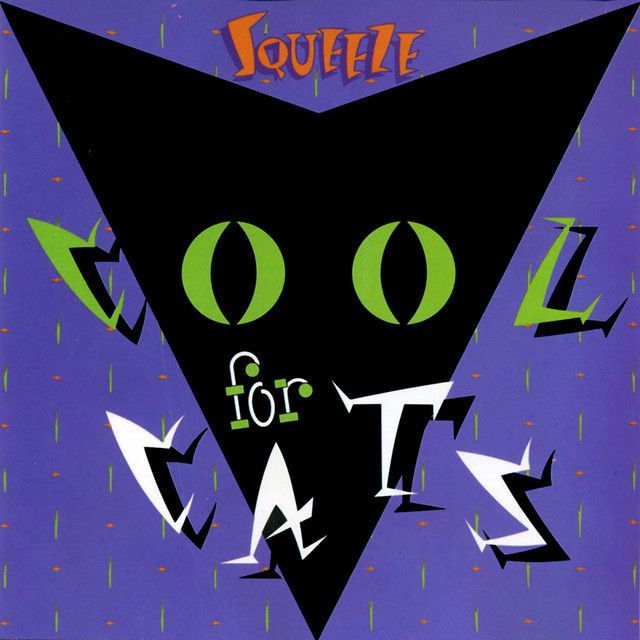
Released on 18 May 1979 as a single from Cool for Cats, the song became one of Squeeze's signature hits and reached No. 2 on the UK chart, according to Wikipedia. It was written by Chris Difford and Glenn Tilbrook, with Difford supplying the words and Tilbrook the music.
What makes it stand out is how much story it fits into just over three minutes. There is no real chorus, and the title does not appear until the very end. That choice matters because the listener is pulled through the narrator's life before the final verdict lands.

Watch the official Up The Junction
music video
What the song is really about
At its core, the song is about how ordinary happiness can slowly collapse under pressure. The narrator begins with excitement and disbelief, remembering meeting the girl from Clapham
. Very quickly, the story moves from flirtation to living together, then to pregnancy and the hard work of trying to build a home.
The key emotional shift is that love does not disappear first; stability does. The man gets a job, tries to save money, and seems to want to do the right thing. But later, his drinking takes over, and the relationship breaks apart. By the end, he is alone, stuck with memory and self-knowledge.
Interpretation: the song is not simply saying love failed. It suggests that poverty, stress, immaturity, and addiction can wear down even genuine affection.
The story moves in painful stages
From romance to routine
The opening scenes feel warm and local. The setting is specific, and that matters. Squeeze place the couple in a recognizable London working-class world: common land, a basement flat, a pub, a TV, a weekly wage. Those details make the relationship feel real rather than idealized.
Soon the song shows domestic intimacy. Little touches like staying in, missing nights out, and sharing cramped space tell the listener that love has narrowed their world in both sweet and limiting ways.
From hope to responsibility
Then the plot turns. A doctor visit reveals a pregnancy, and the narrator responds with labor and sacrifice. He works long hours, saves what he can, and even sells the TV when money gets tight. The song treats these details almost like snapshots, which makes them hit harder.
One of the sharpest images is the phrase little kicks inside her
. In a few words, the song shifts from young desire to family responsibility.
From family life to collapse
After the baby arrives, time jumps forward. Their daughter grows, but the relationship does not. The narrator admits that his drinking became destructive. Then comes the blunt fallout: the mother leaves with a soldier, and he spirals through pubs, streets, and betting shops.
By the last verse, he sits alone in the kitchen, unable to repair what he damaged. The final title line works like a punchline with no humor: he is trapped, beaten, and out of options.
Why the ending hits so hard
The title phrase means being in serious trouble, and it also points to Clapham Junction and the song's London setting. That double meaning is clever, but the emotional force comes from timing. Squeeze save up the junction
for the end, so it feels less like slang and more like a sentence passed on the narrator's life.
Because there is no chorus to repeat a central message, every verse pushes forward. According to Songfacts, Glenn Tilbrook said he avoided a repeated section because it would interrupt the story's flow. That decision lets the ending carry unusual weight.
I never thought it would happen
with me and the girl from Clapham
Those opening lines frame the whole song. What begins as surprise at finding love turns, by the end, into surprise at losing it.
How the music supports the meaning
Musically, the song is lively, melodic, and tightly arranged. That contrast is important. The tune almost hustles forward, as if life itself is moving too fast for the characters to keep up. The band blends new wave and power pop energy with sharp storytelling, making a sad narrative feel deceptively easy to sing along with.
Tilbrook's vocal is also crucial. He does not oversell the pain. Instead, he delivers the lines with a plain, conversational style that fits the song's kitchen-sink realism. That restraint keeps the story believable.
The band lineup on the recording included Tilbrook, Difford, Jools Holland, Harri Kakoulli, and Gilson Lavis, with production credited to Squeeze and John Wood. The clean, uncluttered sound leaves room for the words to do most of the emotional work.
The wider context behind the lyrics
The song's title was inspired by Up the Junction, the well-known British book, TV play, and film associated with working-class social realism. Difford also connected the song's approach to that kitchen-sink drama tradition. That context helps explain why the lyrics focus on everyday pressure instead of rock-star drama.
Interpretation: the song's realism is its point. It turns small domestic details into tragedy, showing how a life can unravel not in one huge moment, but in a series of common ones.
Why the song still matters
The meaning of Up The Junction Squeeze lasts because the song refuses easy blame or easy comfort. The narrator is sympathetic, but he is not excused. The woman is not romanticized either; she simply reaches a breaking point and leaves.
That balance gives the song emotional truth. It is about class, adulthood, and bad choices, but it is also about memory. The man can still replay the whole relationship step by step, yet remembering it changes nothing.
In the end, Squeeze turn a compact pop single into a social-realist character study. That is why the song still feels fresh: it sounds catchy, but it lands like a heartbreak story.
Disclaimer: This interpretation is based on the lyrics, documented songwriting context, and widely cited commentary. As with any song, listeners may hear meanings that differ from this reading.








