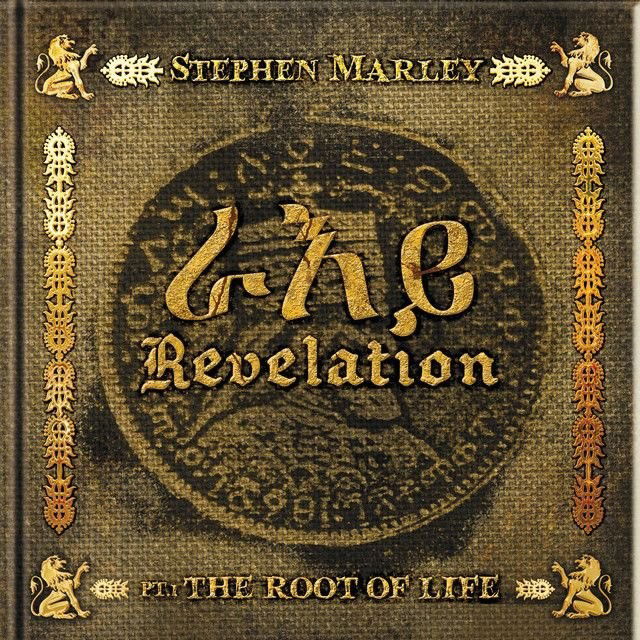
Why "Jah Army" Sounds Like a Spiritual March
The meaning of Jah Army Stephen Marley, Damian Marley, Buju Banton comes into focus fast: this is a song about faith as discipline, identity, and resistance. Rather than treat belief as private or passive, they present it as a form of service. Their central idea is simple—true loyalty to Jah requires courage, focus, and a refusal to be shaped by corrupt systems.
"Jah Army" - Stephen Marley, Damian Marley, Buju Banton
We are soldiers in Jah army
We are soldiers in Jah army
Loading lyrics...
Unable to load lyrics
We're unable to display the lyrics at this time. Please try again later.
That message fits the artists involved. Stephen Marley and Damian Marley both carry forward a roots-reggae tradition tied to Rastafari thought, while Buju Banton has long worked in reggae and dancehall with a commanding, sermon-like intensity. The credited writers also include Mark Anthony Myrie and Michael Rose, linking the song to a wider lineage of militant spiritual reggae.
The Hook Turns Faith Into a Collective Identity
The chorus gives the whole song its frame. When they repeat soldiers in Jah army
, they are not describing a literal military unit. They are turning spiritual belief into a shared mission.
That matters because the verses keep moving between personal ethics and public struggle. The chorus pulls those ideas together. It says they do not just believe in Jah; they serve, endure, and stand in formation with others.
We are soldiers in Jah army
We are soldiers in Jah army
This brief refrain works like a chant. It is memorable, but it also sounds like a vow. Interpretation: the repetition suggests that faith must be practiced again and again, especially when the outside world pushes in the opposite direction.
Watch the official Jah Army
music video
The First Verse Rejects the World’s False Rewards
Early on, the song builds its moral center through a few linked ideas: sacred grounding, gratitude, and loyalty. The phrase Holy place
suggests a spiritual foundation, while na run rat race
rejects the chase for status and material gain.
That refusal becomes even clearer when they say they will never sell out
. In plain terms, they are warning against trading principles for fame, money, or acceptance. The line about fortune and fame does not deny success outright. Instead, it argues that success should stay under divine guidance, not ego.
This is one of the song’s strongest themes: they do not present righteousness as a soft or vague feeling. They present it as a daily decision to remain loyal when compromise would be easier.
Babylon Is More Than One Enemy
Like many reggae songs shaped by Rastafari language, "Jah Army" uses Babylon as a symbol. In this tradition, Babylon often points to oppressive systems, moral corruption, and institutions that pull people away from spiritual truth. The song’s conflict is therefore bigger than one person or one event.
When the lyrics describe the King of Kings pushing out evil forces, they frame Jah as the only rightful authority. Human power looks unstable beside that image. Their point is not just that wicked people exist; it is that corrupt power structures are temporary.
Another key image warns that if people build on unstable ground, collapse follows. That echoes a familiar spiritual lesson: weak foundations cannot hold. Interpretation: the song argues that a life built on greed or deception may look strong for a while, but it will not last.
Battle Language, but Not Only Physical Battle
The most striking section widens the song’s idea of warfare. One line breaks conflict into several forms, including warfare in a spiritual
and even modern spaces like digital and clinical life. That is a sharp update of roots-reggae language.
Instead of limiting struggle to the street or the state, they suggest that pressure comes through media, institutions, health systems, and mental influence. In other words, the fight is cultural and psychological too.
That is why the song keeps stressing words, influence, and youth. They want language itself to be a weapon for uplift. The mention of using "word power and sound" suggests music can guide younger listeners away from confusion and toward consciousness.
How the Performances Carry the Message
Even without dwelling on studio specifics, the performance style tells a lot. The track draws from roots reggae and dancehall energy: heavy rhythm, chant-like repetition, and forceful vocal delivery. That combination helps the meaning land.
Stephen Marley’s presence gives the song grounding. Damian Marley brings edge and verbal precision. Buju Banton adds a booming authority that makes the warnings sound urgent rather than abstract.
Together, they create a call-and-response feeling, as if the song is both a sermon and a rally. The beat supports that reading. It does not feel dreamy or purely meditative; it moves with purpose, reinforcing the idea of marching, standing firm, and refusing surrender.
The Song’s Deeper Message for Listeners
At its heart, the meaning of Jah Army Stephen Marley, Damian Marley, Buju Banton is about choosing spiritual loyalty over worldly pressure. The lyrics connect holiness, discipline, cultural pride, and resistance into one identity.
For U.S. listeners, the song can also read as a wider statement about staying rooted in values when public life rewards performance, speed, and compromise. They are saying that faith is not escapism. It is structure. It tells people who they are and what they will not bow to.
Final Take
"Jah Army" works because it makes devotion sound active. They are not asking for comfort; they are calling for commitment.
Interpretation: the song’s real power lies in how it turns belief into posture—steady, alert, and united. That makes this article’s reading one informed interpretation, not the only possible meaning.







