Why 'The Traffic Jam' Feels Bigger Than the Road
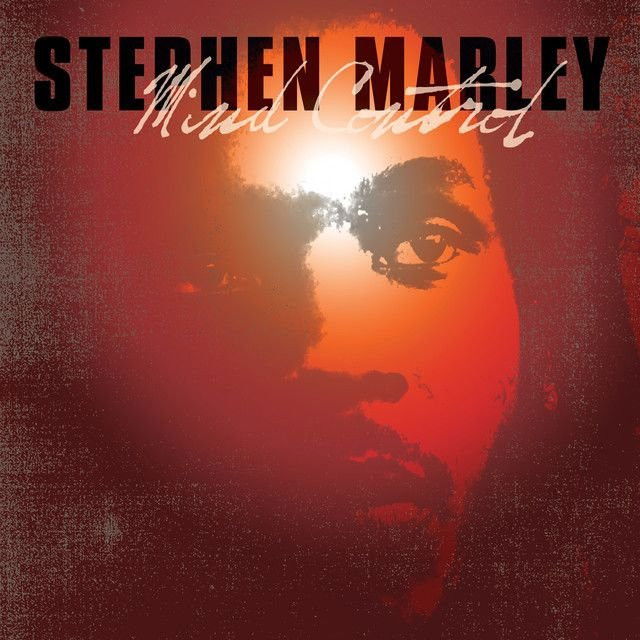
The meaning of The Traffic Jam Stephen Marley, Damian Marley is not just about cars backed up on a street. The song uses a traffic stop to talk about surveillance, pride, and the way authority can clash with identity. What sounds loose and playful on the surface becomes a sharp story about being watched, questioned, and judged.
"The Traffic Jam " - Stephen Marley ft. Damian Marley
Stabba labba dom (Hear dat)
Stooby labba labba dom ram labba babba labba labba dom, I say
Loading lyrics...
Unable to load lyrics
We're unable to display the lyrics at this time. Please try again later.
Stephen Marley and Damian Marley are both sons of Bob Marley and key figures in modern reggae and dancehall. Their work often blends roots themes with street detail and sharp rhythm. In this track, they turn a tense roadside moment into a performance of resistance.
A Stop on the Road, and a Stop by the System
At the center of the song is a simple scene: they are moving through town, music playing, and police pull them over. From there, the lyrics widen the moment into something bigger. The officer smells herb, starts asking questions, and the speaker refuses to act small.
That is why the song matters. The roadblock is also a social block. Interpretation: the traffic jam stands for the many ways Black, poor, or visibly Rastafarian people can be delayed by suspicion before they have done anything clearly wrong.
A short phrase like smell bud
captures the trigger for the stop, but the song is not really interested in legal detail. It is interested in power. Who gets questioned? Who gets believed? Who gets treated like a problem?
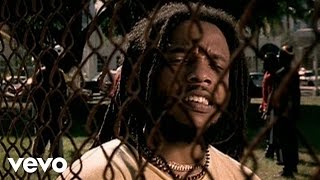
Watch the official The Traffic Jam
music video
The Voice They Use: Defiant, Funny, Unbothered
One reason the song hits so well is tone. They do not sound scared. They sound amused, annoyed, and proud all at once. Even when the officer pressures them, the lyrics push back with swagger.
When the speaker says yes I am
after being asked about marijuana, the blunt answer matters. They are not begging for approval. They are refusing shame. That refusal gives the song its backbone.
There is also humor in the boasting. Claims about being their own judge or bailman are exaggerated on purpose. They make the scene feel theatrical, almost like a sound system clash where style becomes defense.
The Chorus Turns Chaos Into Rhythm
The hook is mostly percussion-like syllables rather than plain explanation. That choice matters. Instead of stopping the song for a serious lecture, they keep everything moving with a chant that sounds like horns, drums, and engines at once.
Interpretation: this nonsense-syllable chorus mirrors the stop-and-go pulse of traffic. It also suggests that the jam is not only frustrating. It is noisy, alive, and full of performance. They turn disruption into rhythm.
That is a classic reggae and dancehall move: hard reality gets carried by groove. The beat does not erase the tension. It helps them master it.
Herb, Rasta, and the Politics of Judgment
The lyrics openly mention marijuana, but the song frames it through Rastafarian culture, not just partying. Phrases like herb must be burn
and Rasta ever righteous
place herb inside a spiritual and cultural worldview.
For U.S. listeners, that distinction is important. The conflict in the song is not only about breaking rules. It is about whose beliefs get respected and whose lifestyle gets read as criminal. The speakers insist they are not criminals, even when police treat them that way.
This also helps explain the song’s anger. The officer is portrayed as invasive, but also jealous. The lyrics describe someone looking at the car, the jewelry, and the image of success with resentment. Interpretation: the stop becomes part policing, part envy.
Status, Celebrity, and Street Survival
Another layer in the meaning of The Traffic Jam Stephen Marley, Damian Marley is celebrity. The speakers know they are visible. People recognize them, want photos, and respond to their status. That fame changes the roadside encounter.
In the song, attention cuts both ways:
- fame brings admiration
- fame brings jealousy
- fame brings more scrutiny
That mix gives the track its edge. They are not presenting success as freedom. They are saying success can make the spotlight harsher. A line like everybody knows us
sounds proud, but it also explains why every move draws reaction.
How the Sound Carries the Meaning
Musically, the track leans on dancehall energy, call-and-response chanting, and a heavy rhythmic pocket. The voices bounce between patter, melody, and toast-style delivery. That keeps the song animated even when the subject is confrontation.
The production style supports the story. The repeated hook feels circular, like wheels spinning in place. The dense vocal attack makes the stop feel crowded and tense, while the playful swing keeps them from sounding defeated.
Stephen Marley is widely recognized for shaping modern reggae production through both solo work and family collaborations, while Damian Marley often brings a sharper deejay attack and crossover edge. Those roles fit this song well: Stephen helps ground the groove, and Damian helps sharpen the threat.
The Strongest Reading of the Song
The clearest reading is that the song is about refusing humiliation. A police stop becomes a test of dignity, and the speakers answer with confidence, style, and group loyalty. They stress sticking together when times get hard, which turns a solo encounter into a communal statement.
There is a second valid reading too. Interpretation: the track may also be mocking the whole ritual of authority. The questions, the inspection, the courtroom language, even the idea of guilt all become part of a stage play where the speakers perform freedom inside a system built to contain them.
Final Take on the Song's Meaning
The meaning of The Traffic Jam Stephen Marley, Damian Marley lies in how it transforms a roadside delay into a critique of profiling, a defense of Rastafarian identity, and a show of fearless self-possession. It sounds fun, but its fun is strategic. They dance through pressure instead of bowing to it.
That mix of bounce and defiance is what makes the song memorable. It is a traffic jam, yes, but also a picture of what it means to be stopped and still refuse to shrink.
Disclaimer: This article offers informed interpretation based on the lyrics and artist context. Song meaning can remain open to different listener readings.








