Why 'Maybe Tomorrow' Feels Like a Quiet Rescue
The meaning of Maybe Tomorrow Stereophonics starts with a simple tension: they feel weighed down now, but they refuse to believe that this feeling will last forever. That balance between sadness and hope is what gives the song its staying power.
"Maybe Tomorrow" - Stereophonics
These little black clouds keep walking around
With me, with me
Loading lyrics...
Unable to load lyrics
We're unable to display the lyrics at this time. Please try again later.
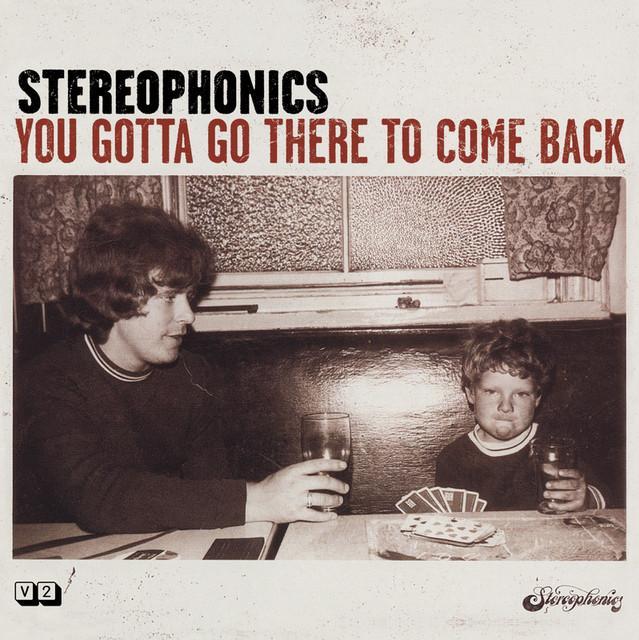
Released on Stereophonics' 2003 album You Gotta Go There to Come Back, the track became one of the band's defining singles, reaching No. 3 in the UK and later earning Platinum certification there. It also marked a clear change in sound, with a warmer, slower style than the band's earlier rock records. Those details matter because the music and lyrics are telling the same story: slow down, breathe, and trust that clarity may come later.
A Sad Mood, Told in Small Images
From the opening, the narrator sounds emotionally worn out. Instead of describing their pain in dramatic language, they use ordinary images. The phrase little black clouds
turns a bad headspace into something easy to picture. The gloom follows them around, almost like a weather system they cannot shake.
That choice is important. Rather than blaming someone else, the song stays inside the feeling itself. They are not raging. They are observing. That gives the lyric a tired, honest tone, as if they are too drained to perform their sadness.
Then the song starts looking for relief in the outside world. A phrase like rainbow smile
may sound playful, but it points to a real need: they want a quick return to lightness, color, and emotional freedom. Even if that fix is temporary, the desire is understandable.

Watch the official Maybe Tomorrow
music video
The Chorus Turns Uncertainty Into Hope
The chorus is the emotional center of the song. When they sing maybe tomorrow
and find my way home
, the song does not promise a breakthrough. It only leaves the door open.
That uncertainty is the point. Many songs about pain rush toward a big answer. This one does not. It accepts that healing can be delayed. The singer is not cured by the end of the verse, and they know it.
Interpretation: “Home” likely means more than a physical place. It can suggest inner peace, stability, or the feeling of becoming themselves again. In that reading, the chorus is about recovery without a deadline.
Nature Becomes a Form of Survival
One of the most striking things in the song is how often it reaches for natural imagery. They want fresh air, open space, and movement. The line about wanting an open mind
pairs mental freedom with physical openness, as if a wider landscape could help clear a crowded head.
Later, the wish to swim in the ocean
and take time suggests surrender rather than control. Water often symbolizes cleansing or release in pop and rock writing, and that idea fits here. Instead of fighting every dark thought, they imagine floating past it.
This is where the song feels especially human. It knows that when emotions get heavy, people often look for simple things: air, sky, quiet, space, a walk, a change in scenery. The lyrics translate that instinct into gentle poetry.
Why the Sound Matters So Much
Part of the meaning of Maybe Tomorrow Stereophonics comes from its arrangement. According to American Songwriter, the band expanded its palette here, bringing in more soul and R&B influence. Kelly Jones said he had long loved Stevie Wonder and Marvin Gaye-inspired textures, and this album gave him room to follow that instinct.
You can hear it. Instead of pushing hard with loud guitars, the song moves with patience. The Rhodes and Wurlitzer-style keyboard color gives it warmth, while the tempo leaves room for reflection. Kelly Jones's vocal also sounds less like a rock frontman trying to dominate the track and more like someone thinking out loud.
Those choices fit the lyric perfectly. A faster, sharper arrangement might have made the song sound defiant. This version sounds weary but open. That is a big difference.
A Turning Point for the Band
Factually, "Maybe Tomorrow" appeared on You Gotta Go There to Come Back, Stereophonics' fourth studio album. Research around the record often notes that it represented a shift away from their more pub-rock-centered style toward something softer and more textured.
That context helps explain why the song stood out. It was not just a hit single. It was also evidence that the band could stretch emotionally and sonically without losing their identity. The result was a song that connected in the UK and also crossed into U.S. adult alternative radio.
Two Strong Readings of the Song
Interpretation 1: A song about depression and endurance. The opening mood, the dragging clouds, and the delayed hope of tomorrow all support this reading. The song captures what it feels like to keep going when relief is not here yet.
Interpretation 2: A song about choosing presence over pressure. There is another angle too. The lyrics do not just describe sadness; they also reject hurry. Breathing, walking outside, and taking time all suggest a decision to stop forcing life into neat answers.
Both readings can be true at once. That is part of the song's strength.
Why It Still Lands
"Maybe Tomorrow" lasts because it offers comfort without pretending everything is fine. It admits the darkness, then gently points toward air, water, color, and time. That makes it less like a victory anthem and more like a companion for a hard day.
In the end, the meaning of Maybe Tomorrow Stereophonics is not about instant escape. It is about surviving the present while trusting that tomorrow may bring direction, softness, and a way back to the self.
Disclaimer: This interpretation mixes documented context with informed reading of the lyrics and sound. Like all songs, "Maybe Tomorrow" can mean different things to different listeners.








