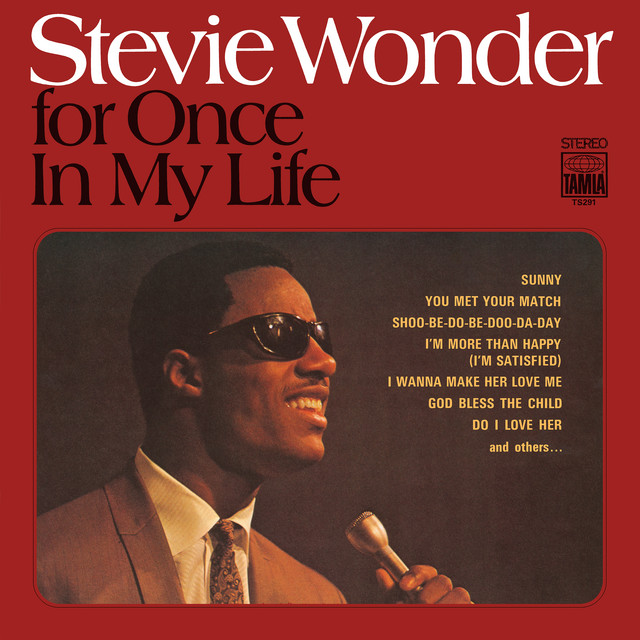
The Meaning of 'For Once in My Life' (Stevie Wonder)
Stevie Wonder turned a once-quiet ballad into a burst of joy. If you’re searching for the meaning of For Once In My Life Stevie Wonder delivers a simple message with big stakes: love can transform fear into confidence.
"For Once In My Life" - Stevie Wonder
Someone I've needed so long
For once, unafraid, I can go where life leads me
Loading lyrics...
Unable to load lyrics
We're unable to display the lyrics at this time. Please try again later.
A Joy That Pushes Back the Dark
The narrator speaks from a place of new security. They have, at last, someone who needs me
, which flips the focus from wanting to being wanted. That shift matters. It signals mutuality—love is not just received; it is returned.
They remember longing—what my heart used to dream
—but the mood isn’t wistful. It’s triumphant. The song frames love as a foundation for resilience. With a partner and a purpose, the past can’t define the future. Wonder’s version makes that emotional turn feel like daylight breaking through.
Watch the official For Once In My Life
music video
Who’s Speaking, and Why Now
The voice is first-person and urgent. They’re newly bold, ready to go where life leads me
. This is not fantasy; it’s a declaration made after hard knocks. The specifics are spare, but the stance is clear: love doesn’t erase struggle—it equips them to face it. That’s why the refrain lands like a promise, not a plea.
The Refrain as a Personal Vow
Here the song’s heart comes into view as a vow of endurance and belonging:
For once, I have something I know won't desert me
I'm not alone anymore
They aren’t just celebrating romance; they’re committing to hold onto it. Lines like this is mine, you can't take it
sound almost defiant. Interpretation: the refrain reads as a boundary, a protection spell against doubt and outside forces.
How Sound Turns Longing into Triumph
Earlier versions moved at ballad tempo. Wonder’s 1968 take, produced by Henry Cosby, surges forward with a Motown groove. James Jamerson’s bass never sits still; it dances under the melody, making the singer’s courage feel kinetic. Uriel Jones’s drumming and Earl Van Dyke’s piano keep everything spring-loaded.
Wonder’s harmonica adds sparkle between phrases, like sunlight on water. The stacked background vocals from Motown stalwarts give the hook a communal feel—as if friends are cheering the narrator on. Interpretation: the arrangement converts personal relief into public celebration, so listeners can share the victory.
From Slow Ballad to Motown Rocket
Ron Miller and Orlando Murden wrote the song in 1965 as a slow ballad covered by several artists. Wonder recorded his uptempo version in 1967, but Motown chief Berry Gordy initially held it back. When it finally arrived in October 1968, it caught fire—reaching No. 2 on both the Billboard Hot 100 and R&B charts, and No. 1 on the Cash Box Top 100.
That success shows how arrangement shapes meaning. As a ballad, the lyric leans toward yearning. As a Motown stomper, it becomes a manifesto. The beat urges the singer—and the listener—forward.
What the Words Actually Claim
The song’s power rests on everyday language. The narrator doesn’t boast about perfection; they say, in effect, that love makes life workable. Phrases like as long as I know I have love
suggest a steady resource, not a fling. Interpretation: the lyric moves from relief to resolve—love provides strength, but the singer still has to choose courage.
Alternate Readings That Also Fit
- Self-acceptance: The “someone” can be read as the self or a higher purpose, making the vow about inner wholeness.
- Community: For listeners who’ve felt excluded, the insistence on being needed can feel like finally belonging somewhere safe.
- Career resilience: For an artist coming of age, the lyric can double as a pledge to trust their path.
Each view is supported by the same anchors: certainty, mutual need, and a refusal to surrender hard-won joy.
Lasting Takeaway
For all its brightness, the song isn’t naive. It’s brave. Wonder’s version captures the moment when hope becomes habit—when a person claims their life out loud and keeps moving.
Disclaimer: Song meanings are subjective. This article offers one informed interpretation based on lyrics, performance, and historical context.









