Why 'Sir Duke' Feels Like Pure Joy
The meaning of Sir Duke Stevie Wonder starts with gratitude. Stevie Wonder did not write this song as a mystery or a breakup story. They built it as a bright, swinging thank-you note to the giants of Black American music and jazz, especially Duke Ellington. At the same time, the song argues that music can cross borders, lift moods, and connect people faster than words ever could.
"Sir Duke" - Stevie Wonder
With a language we all understand
With an equal opportunity
Loading lyrics...
Unable to load lyrics
We're unable to display the lyrics at this time. Please try again later.
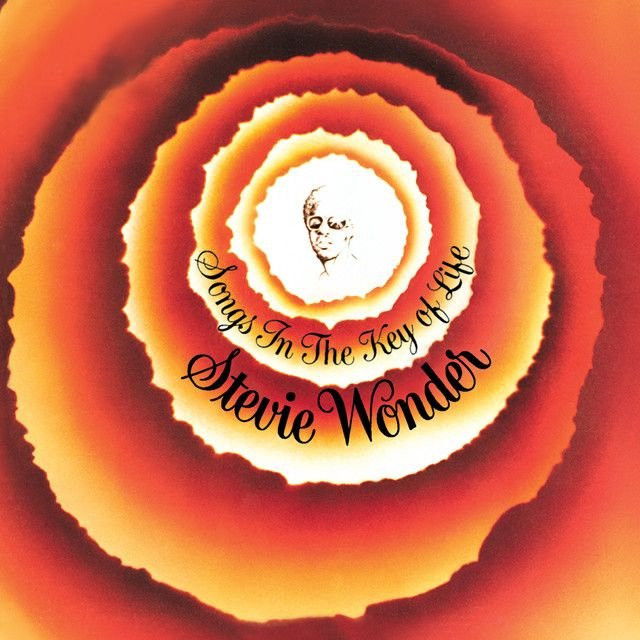
According to documented background on the song, Wonder wrote it to honor musicians who influenced him and to push back against how quickly pioneers can be forgotten. It first appeared on Songs in the Key of Life in 1976 and was released as a single on March 22, 1977; Wonder also wrote, produced, and arranged it themselves, a key fact in understanding how unified its message sounds. It later became a major hit, reaching No. 1 on the U.S. Billboard Hot 100 and No. 1 on the R&B chart.Wikipedia: Sir Duke
A Tribute Song That Thinks Bigger
On the surface, the song is a salute to Duke Ellington, the jazz composer and bandleader whose influence touched generations. But Wonder does not stop with one legend. They also name-check Basie, Miller, Louis Armstrong, and Ella Fitzgerald, placing Ellington inside a larger family tree of greatness.
That matters because the song is not only about memory. It is about musical inheritance. When Wonder describes music as a world within itself
, they frame it as something bigger than trends or charts. Music becomes its own language, one that anybody can enter.
Interpretation: This is why the song still feels warm instead of formal. It honors the past, but it does not sound like a museum piece. It says the old masters still live inside every joyful horn line and every body that starts moving.

Watch the official Sir Duke
music video
The Core Message in the First Verse
The opening verse explains the song’s deepest idea in plain language. Wonder suggests that music offers equal opportunity
for people to join in. In other words, it invites everyone, no matter their background, to sing, dance, clap, and belong.
Then the lyric adds a small warning. A song may have a beat, but that alone does not make it truly great. Wonder hints at this with the contrast around in the groove
. They seem to separate surface rhythm from deeper feeling.
Interpretation: That line can be read as a quiet artistic standard. Good music is not just catchy. It has soul, swing, character, and truth. The real test is simple: do people feel it immediately?
Why the Chorus Is So Important
The repeated hook centers on the phrase feel it all over
. That is a simple idea, but it carries the whole song. Wonder turns music into a full-body experience, not just an intellectual one.
This chorus also connects the tribute theme to the dance floor. The pioneers named in the song are not praised in a distant, academic way. Their greatness is proven by motion, joy, and shared response. If people move, smile, and connect, the legacy is still alive.
A Single Multi-Line Snapshot
Before the refrain takes over, the lyric sums up music’s promise in a compact way:
Music is a world within itself
With a language we all understand
With an equal opportunity
For all to sing, dance and clap their hands
That passage explains why the song feels so inclusive. It treats music as common ground.
The Sound Makes the Meaning Clear
A big reason this song works is that it sounds like the joy it describes. The arrangement mixes pop, R&B, soul, and jazz in a way that mirrors its message of unity.Wikipedia: Sir Duke
Wonder’s production is especially important here. They handled the writing, production, and arrangement, and the recording features bright trumpet and saxophone parts, a strong bass line, drums, guitar, percussion, and Fender Rhodes electric piano. Those details matter because the horns do more than decorate the track. They act like a living bridge to Ellington-era big band music while keeping the groove firmly in the 1970s.
Interpretation: The song’s famous horn figures feel almost like a celebration marching down the street. Instead of mourning lost legends, the arrangement revives their spirit in real time.
Why the Named Artists Matter
When Wonder references Sir Duke
and other icons, they are doing more than showing musical taste. They are teaching listeners how to hear history. Ellington stands for elegance, swing, composition, and Black artistic excellence. Armstrong stands for emotional force and personality. Ella represents vocal brilliance. Basie and Miller point to band tradition and rhythmic power.
By grouping them together, Wonder creates a quick history lesson inside a hit single. That may help explain why the song performed so well with broad audiences in the United States and beyond. It was catchy enough for radio, but rich enough to carry cultural memory.
Final Take on the Meaning of Sir Duke Stevie Wonder
The meaning of Sir Duke Stevie Wonder is both simple and lasting: great music outlives time, and the artists who shaped that music deserve joy-filled remembrance. Wonder honors Duke Ellington and fellow pioneers not with sadness, but with motion, groove, and celebration.
Their larger point is that music can unite people across age, race, and background because its message is felt before it is explained. That is why “Sir Duke” still sounds fresh. It is a history lesson, a dance record, and a statement of faith in music all at once.
Disclaimer: This article offers a mix of documented context and clearly labeled interpretation. Meaning can remain open to listeners, and different readings may coexist.








