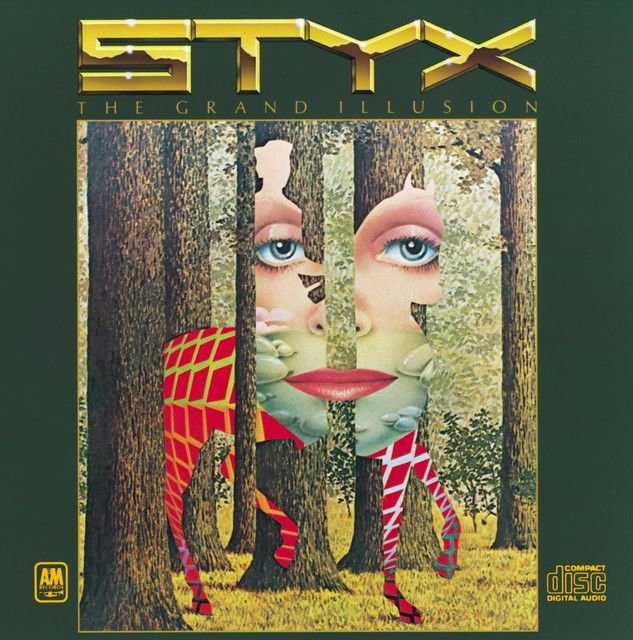
The Grand Finale by Styx
The meaning of The Grand Finale Styx becomes clearer when they treat it as a last word, not just a short closing track. On The Grand Illusion, Styx spent an entire album questioning fame, fantasy, and the pressure to look successful. This final song wraps that idea into one brief, pointed message: people should not assume other lives are perfect just because they seem polished from a distance.
"The Grand Finale" - Styx
Sail away superstars
So if you think your life is complete confusion
Loading lyrics...
Unable to load lyrics
We're unable to display the lyrics at this time. Please try again later.
According to the album notes summarized by Wikipedia, The Grand Illusion was Styx’s seventh studio album, released on July 7, 1977, and it became their commercial breakthrough. The same source notes that “The Grand Finale” closes the album by combining themes from across the record. That context matters, because this song feels less like a separate story and more like the record’s moral.
A Curtain Call With a Clear Message
At its core, the song speaks to envy and self-doubt. The narrator imagines someone who thinks life is complete confusion
because other people seem to have everything figured out. The response is simple but powerful: that image of easy success is misleading.
The key phrase is grand illusion
. In plain terms, the song argues that public images, neighborhood comparisons, and celebrity shine can all hide the truth. People may look secure, rich, admired, or settled, but inwardly they are often struggling too.
Just remember, please, it's a grand illusion
And deep inside we're all the same
That short closing thought gives the song its emotional center. Instead of mocking insecurity, Styx offers reassurance. They tell the listener that feeling lost is normal, and that human beings share more fears than appearances suggest.
Watch the official The Grand Finale
music video
How It Sums Up the Album
This song lands harder when heard beside the rest of The Grand Illusion. The album includes tracks about stardom, escape, anger, longing, and image. Wikipedia’s overview notes that the record often uses fantasy-style images to talk about modern American life and the band’s experience with rising fame.
That makes Sail away superstars
an important clue. The phrase sounds like a send-off to celebrity itself. It echoes the album’s fascination with dream-chasing while also sounding slightly skeptical, as if the “superstars” are both admired and pushed away.
Interpretation: this opening may act like a goodbye to false idols. Rather than worshiping success, the song strips away its magic. The final lesson is not that ambition is bad. It is that glamour should not be confused with inner peace.
The Speaker and the Listener
The lyrics are direct and conversational. They speak to someone who feels lesser because the people nearby seem to have got it made
. That everyday phrase is important because it keeps the song grounded. This is not only about rock stars. It is also about neighbors, peers, and ordinary comparison.
The song’s point of view is comforting rather than dramatic. Dennis DeYoung sings it like a closing address, almost as if they are stepping to the edge of the stage to explain the album’s thesis in plain language. That directness helps the message stick.
Interpretation: the listener could be anyone caught in the trap of comparing their private fears with other people’s public masks. The song says that this comparison is unfair from the start, because nobody reveals the full truth.
Why the Music Matters
Even though “The Grand Finale” is brief, its placement and style matter. Styx’s sound on The Grand Illusion blended progressive rock keyboards with harder guitar riffs, a mix noted in coverage of the album’s style on Wikipedia. The record was produced by Styx, with Barry Mraz assisting in production and engineering.
That production history helps explain why the finale feels concise but theatrical. The band had already spent the album moving between big hooks, polished harmonies, and dramatic shifts. Here, they strip the message down to a compact ending. Instead of another long musical journey, they deliver a summary statement.
This choice fits the title. A finale should feel like the last bow, and that is exactly what happens. The repeated image of departure gives the song a sense of closure, while the final line brings the album back to its central human truth.
A Bigger Meaning Beyond 1977
Part of the reason the meaning of The Grand Finale Styx still works is that its target never went away. In 1977, people compared themselves to neighbors, celebrities, and the ideal lives sold by pop culture. Today, that same pressure appears through curated online images and constant status signals.
So the song still sounds modern. Its warning is timeless: appearances can distort reality. The people who seem most secure may feel just as uncertain as everyone else.
That is why the ending lands with warmth instead of cynicism. Styx does not say life is fake or meaningless. They say the masks are fake, and recognizing that can bring relief.
Final Take on Styx’s Closing Statement
“The Grand Finale” is short, but it delivers the clearest thesis on the album. It turns the band’s ideas about fame, comparison, and illusion into one simple reminder: nobody’s life is as perfect as it looks.
For listeners trying to understand the meaning of The Grand Finale Styx, the best answer is this: it is a compassionate reality check. It closes The Grand Illusion by telling people to stop measuring themselves against polished surfaces and remember that, underneath them, everyone is human.
Disclaimer: This interpretation is based on the song’s lyrics, album context, and documented background. As with any song, meaning can remain open to personal reading.







