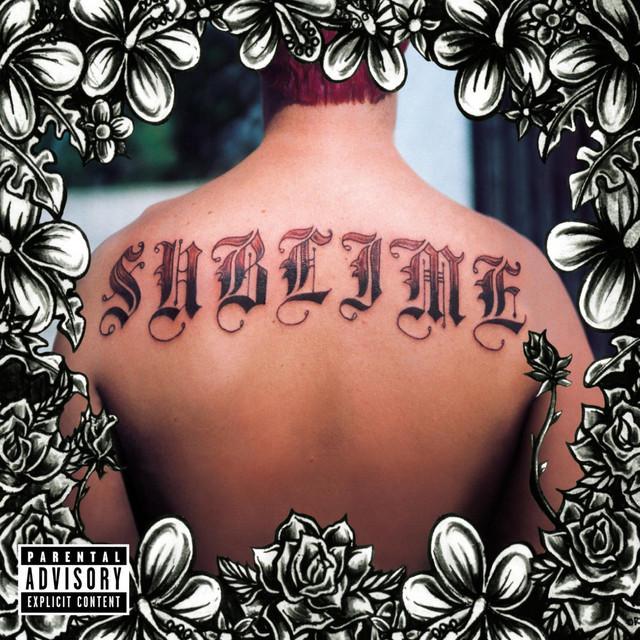
Same In The End by Sublime
The meaning of Same In The End Sublime comes from its mix of anger, jokes, macho posturing, and hurt. On the surface, the song sounds wild and scattered. Under that noise, though, it points to something sadder: a person shaped by abandonment, trapped in a cycle of acting tough, and convinced that nothing really changes.
"Same In The End" - Sublime
They give it up and they give it up and they give it up
But they never ask why
Loading lyrics...
Unable to load lyrics
We're unable to display the lyrics at this time. Please try again later.
A Messy Song With a Clear Emotional Core
Sublime built their reputation on songs that could sound funny, reckless, and wounded at the same time. That fits this track well. Bradley Nowell, Eric Wilson, and Floyd Gaugh IV are credited as writers, and the song reflects the band’s habit of turning punk energy into character sketches and emotional confession.
The central feeling is alienation. Early on, the narrator talks about a father who disappeared, summed up in the short phrase rollin' stone
. They are not just telling family history. They are showing how that loss shaped their idea of manhood, pride, and emotional instability.
Interpretation: the song suggests that when a parent vanishes, the child may grow up performing toughness instead of learning stability. That helps explain why the lyrics jump between swagger, self-mockery, and pain.

Watch the official Same In The End
music video
The Voice Keeps Changing on Purpose
One reason the song feels chaotic is that the speaker keeps changing masks. In one moment they sound defensive. In another, they sound funny, threatening, or deeply hurt. That is important to the meaning of Same In The End Sublime.
The line about people seeing only what they want to believe, captured in what you want to believe
, shows a narrator who feels misunderstood. They think others reduce them to a type before really seeing them. That leads to a bitter push-and-pull: they reject those labels, but they also act them out.
Identity as performance
The song piles up contradictory self-descriptions. The speaker presents themselves as liar, brute, outlaw, and wounded child, often all at once. Rather than offering one stable identity, they sound like someone trying on ugly roles because those roles feel expected.
Interpretation: this may be the point. The narrator has been told who they are so often that they start performing that version of themselves, even while knowing it is false or incomplete.
How the Father Theme Shapes Everything
The abandoned-father image is the emotional key to the track. When the lyrics ask what it takes to be a man, they connect masculinity to absence, confusion, and imitation instead of guidance.
That makes the later threats and boasts sound less triumphant. They feel compensatory. The narrator acts large because they feel small.
There is also a sharp line between religion and grime. The song jokes about church at the bar and mixes prayer with bodily discomfort. Sublime often used humor to puncture moral authority, but here the joke also reveals a world with no clean source of comfort. Nothing is sacred enough to fix the damage.
Sunday morning
church down at the bar
Those short phrases turn worship into a hangover ritual. The speaker seems to know they need relief, but they look for it in broken places.
The Chorus Turns Chaos Into Philosophy
The closing refrain gives the song its title and worldview: same in the end
. After all the loud images and insults, that line lands with unusual clarity.
The chorus suggests that vice, conflict, ego, and rebellion do not change the final outcome. Whether people judge, lie, fight, use substances, or posture, the ending stays the same. That thought is bleak, but it also explains the song’s looseness. If everything leads to the same place, then rules and roles start to feel pointless.
Interpretation: this is not pure nihilism. It may be the voice of someone exhausted by performance. Beneath the bluster, they may be admitting that all their masks fail to solve the deeper wound.
Sound and Delivery Matter as Much as the Words
Musically, the song leans on aggressive alternative rock and punk force rather than Sublime’s more relaxed ska-reggae swing. That matters. The harder attack mirrors the narrator’s unstable mood.
The guitars hit with a blunt, driving feel, and the vocal delivery sounds half-shouted, half-spit out. Instead of polishing the performance, the band lets it feel impulsive. That roughness supports the song’s meaning because the lyrics are about a person who cannot settle into a single emotional state.
There is also a live-wire quality to the structure. The track barrels forward like a rant that cannot slow down. That gives extra weight to the image of thoughts rolling through the mind like a train. The production does not calm the speaker; it traps them inside their own momentum.
Two Strong Readings of the Song
There are at least two useful ways to hear this track:
- Personal reading: it is about a damaged son processing abandonment through anger, humor, and self-destructive roleplay.
- Social reading: it is about how people get labeled, judged, and pushed into stereotypes until they start becoming them.
These readings work together. The father wound creates the personal pain, while the outside world adds pressure and caricature. That is why the song feels both intimate and theatrical.
Why the Song Still Connects
The meaning of Same In The End Sublime lasts because it captures a familiar defense mechanism. Many people turn pain into sarcasm, exaggeration, or attitude. Sublime gave that pattern a loud, messy form.
The song does not offer healing. It offers exposure. It lets listeners hear what happens when grief, pride, and identity confusion all talk at once. That is why the final idea hits so hard: after every costume and every outburst, the unresolved pain is still there.
Disclaimer: This interpretation is based on the lyrics, the song’s performance, and known context around Sublime. Like many songs, it can support more than one reading.








