Grace by Supergrass: A Small Memory, Made Huge
The meaning of Grace Supergrass becomes clearer when listeners stop treating it like a puzzle and hear it as a snapshot. This is a fast, bright song built from little moments: nighttime play, cheap snacks, laughing, stargazing, and the feeling that a child has briefly turned an ordinary evening into something magical.
"Grace" - Supergrass
On your trampoline
When you kissed the sky
Loading lyrics...
Unable to load lyrics
We're unable to display the lyrics at this time. Please try again later.
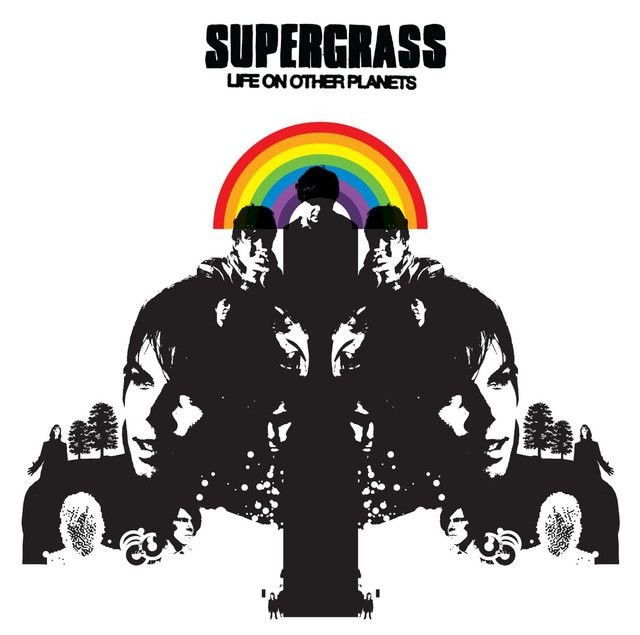
Supergrass released "Grace" as the second single from Life on Other Planets in September 2002, and it reached No. 13 on the UK Singles Chart. It was written by the band and produced by Tony Hoffer, according to the song’s release history and credits. Those facts matter because the song sits in a phase where Supergrass mixed punchy rock craft with a looser, more playful spirit.
Why This Song Feels So Light
At the most direct level, the song is about a memorable time spent with Grace. The verses move through vivid details: they remember a trampoline, junk food, a telescope, singing, and a photo. Instead of telling a deep plot, the band builds a feeling.
That feeling is childhood wonder seen from just far enough away to become memory. When they mention your trampoline
and your telescope
, they are not simply listing objects. They are showing how children turn everyday things into adventure.
Interpretation: the song is less about one event than about the atmosphere Grace creates. She seems like the center of gravity for the whole night.

Watch the official Grace
music video
The Real-Life Seed Behind the Lyrics
There is useful context here. Gaz Coombes explained that the song grew out of studio time near the home of Chris Difford, where his daughters would visit. He also said the key refrain came from words written on a child’s money box: save your money for the children
. In his account, what began almost as a joke turned into a proper single.
That background helps explain why the chorus sounds both specific and strange. It was borrowed from real life, not invented to make perfect literal sense. So the line should not be over-read as policy, protest, or sermon.
Instead, it carries the odd logic of childhood, where slogans, objects, and overheard phrases can feel important just because a child repeats them. That is a big part of the meaning of Grace Supergrass.
How the Verses Build a Living Photograph
The first verse is full of movement. Grace and the group stay up late, jump around, eat chips, drink Coke, and look toward Mars. The details are playful, but they also show her as fearless and imaginative. When the lyric says showed me Mars
, the song briefly stretches from a backyard scene into cosmic wonder.
The second verse slows that rush into memory. Grace sings, makes them laugh, and gets captured in a photograph
. Then night ends. Her mother calls her home, and the song accepts that this kind of moment cannot last.
That final turn matters. The promise that they will meet again gives the song warmth, but it also admits time passing. Childhood nights end. Kids go inside. All that remains is memory, maybe even art.
What the Chorus Really Adds
The chorus repeats the title name and that borrowed refrain until it becomes hypnotic. On paper, it can look absurd. In the song, it works because repetition turns a random phrase into a chant.
Interpretation: this chant-like quality mirrors the way children speak and sing. Kids often repeat a phrase until it becomes its own game. Supergrass preserve that rhythm instead of cleaning it up into adult logic.
That choice gives "Grace" its charm. The chorus does not explain the verses; it protects their sense of spontaneity.
Oh Grace
Save your money for the children
Used this way, the repeated line feels affectionate, funny, and slightly surreal rather than heavy-handed.
Sound, Speed, and the Band’s Intent
Musically, "Grace" is short—about two and a half minutes—and that brevity is part of its meaning. The band do not linger. They hit the listener with bright guitars, a quick beat, and a hook that feels almost tossed off, as if the song itself is trying to capture a fleeting burst of life before it disappears.
The production keeps things sharp and buoyant. Tony Hoffer’s work helps the track feel compact instead of messy, while the band’s performance keeps enough rough energy to sound spontaneous. That balance matters: too polished, and the song would lose its childlike spark; too loose, and the emotional picture would blur.
Supergrass were always good at making rock songs feel both scrappy and melodic. Here, that gift lets them translate memory into sound. The song bounds forward like the night it describes.
Two Strong Ways to Read "Grace"
There are at least two good interpretations:
- A simple celebration of a child’s presence. The lyrics can be heard as a cheerful thank-you to Grace for bringing joy, laughter, and wonder into a shared space.
- An adult memory of borrowed innocence. The speakers seem older, and Grace seems younger. In that reading, the song is about adults briefly recovering playfulness through a child’s energy.
Both readings fit the evidence. The song never becomes sentimental, which is why it still works. It stays grounded in concrete things—snacks, stars, photos, bedtime.
Why "Grace" Still Connects
Part of the meaning of Grace Supergrass is that small memories can feel bigger than serious speeches. A trampoline at night can matter as much as a grand confession. A strange line from a money box can become a chorus if it carries the right feeling.
That is why the song lasts. It catches the moment when fun turns into memory, and memory turns into song.
Disclaimer: This interpretation is based on the released lyrics, known background from band commentary, and the recording itself. As with most songs, listeners may hear meanings beyond the artist’s original intent.







