Train by Sylvan Esso
A song about movement, overload, and trying to stay original while pop culture speeds past.
"Train" - Sylvan Esso
Provided by LyricFind(The fare of the train being changed)
Gimme a ticket to ride that train
Wind in my hairLoading...Loading lyrics...
Unable to load lyrics
We're unable to display the lyrics at this time. Please try again later.
Why the meaning of Train Sylvan Esso feels so slippery
The meaning of Train Sylvan Esso starts with motion, but it does not stay simple for long. On the surface, the song sounds like a rush: a ticket, a ride, wind, speed, and a beat built for dancing. Under that energy, though, the lyrics suggest something sharper. They point to life inside pop music, internet attention, and a culture that copies fast and changes even faster.
Sylvan Esso are the duo of Amelia Meath and Nick Sanborn, known for combining electronic production with off-center pop writing. According to the song credits provided here, Meath and Sanborn wrote “Train.” That matters because the song sounds like artists thinking about the machine they work inside: pop as thrill, pop as pressure, and pop as something that can flatten people while entertaining them.
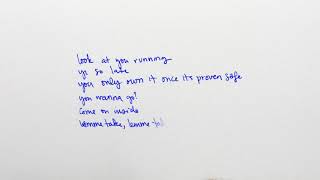
Watch the official Train
music video
One ride, two meanings
At the center of the song is a simple image: ticket to ride that train
. In plain language, that sounds like wanting in on momentum. The train can mean escape, success, desire, or the pull of the beat itself.
But the song quickly bends that image. It says not a train, but a private plane
, which turns a common public ride into a status symbol. That shift feels important. Interpretation: the narrator is mocking how quickly a fun, shared experience becomes a performance of access, clout, and exclusivity.
The hook also pairs freedom with emptiness. When the song mentions wind in my hair
and nothing in my brain
, it suggests release, but not peace. This is not calm reflection. It is overstimulation, almost a chosen numbness.
The real target: pop overload and trend culture
One of the clearest lines in the song is Pop music make me go insane
. Paraphrased, the speaker is admitting that the very thing they live in and maybe love is also driving them mad. That confession gives the song its tension.
This is where the repeated phrase the tracks keep changing
becomes the key to the whole piece. The image works on two levels:
- literal tracks, as in train tracks
- musical tracks, as in songs and trends
Interpretation: Sylvan Esso seem to be describing a pop landscape where rules never stay fixed. What is cool today is old tomorrow. What gets ignored suddenly becomes marketable once it feels safe.
That idea shows up again when the lyrics call out someone who only embraces things after they are proven. In paraphrase, the song accuses trend followers of arriving late, then acting like they own what they copied. That makes “Train” sound less like a party anthem and more like a sly critique of cultural opportunism.
A voice pushing back while still dancing
The narrator in “Train” is not passive. They sound amused, irritated, competitive, and self-aware all at once. The lyrics mention being underpaid, watching others bite their style, and dealing with digital access through DMs and requests. In simple terms, the speaker sees how attention works and does not fully trust it.
There is also a teasing challenge in the invitation to come inside and be taken for a ride. That can sound seductive, but it can also sound like a warning. If listeners enter this world, they are entering a system of speed, imitation, and eventual erasure.
You wanna go?
Come on inside
Lemme take, lemme take
Take you for a ride
That short passage captures the song’s double edge. It welcomes people in, but it also reminds them they are surrendering control.
The collage of references matters
Late in the song, the lyrics stack up references like a playlist exploding all at once: “Pink Moon,” “January Rain,” “It’s Raining Men,” “American Girl,” “Love Man,” and “Breaking Glass.” Rather than telling one clean story, the song suddenly becomes a swirl of titles, memories, and borrowed pop language.
Interpretation: this section likely mirrors how modern listening feels. Culture is not neat anymore. It arrives as fragments, recommendations, throwbacks, and algorithmic jumps. The song’s mind is crowded, and that crowding is the point.
These references also support the song’s complaint about originality. If everyone is speaking in recycled titles and familiar touchstones, then identity starts to feel assembled from leftovers. The narrator seems both thrilled by that chaos and exhausted by it.
How the production carries the message
Even without long lyric analysis, the sound tells a lot of the story. The line about four on the floor
points to a steady dance pulse, and the production leans into that physical drive. The beat feels propulsive, repetitive, and slightly relentless.
That matters because the song is about being moved along, maybe faster than anyone can process. Sylvan Esso often balance catchy hooks with textures that feel twitchy or strange, and that contrast fits “Train” well. The groove invites the body in, while the words keep raising doubts about what the ride means.
Meath’s delivery also helps. Their vocal style can sound playful one second and cutting the next, which suits lyrics that bounce between flirtation, mockery, and critique. Sanborn’s electronic framing gives the song the feel of machinery: sleek, danceable, but never fully comfortable.
So what is the song really saying?
The best reading is that “Train” is about how exciting and dehumanizing pop momentum can be at the same time. It celebrates movement, rhythm, and cultural energy, but it also notices the costs: trend-chasing, theft of style, online noise, and the pressure to keep up when everything keeps changing.
That is why the meaning of Train Sylvan Esso feels both fun and uneasy. The song is a ride, but it is also about the systems that build the ride and decide who gets thrown off.
Final takeaway
“Train” works as a dance track, a satire of pop culture, and a snapshot of digital-era overload. Its smartest move is refusing to choose just one of those angles.
This interpretation is based on the song’s lyrics, sound, and available credits. As with any art, other listeners may hear different meanings.









