Why "Pakiet Platinium" Feels So Empty
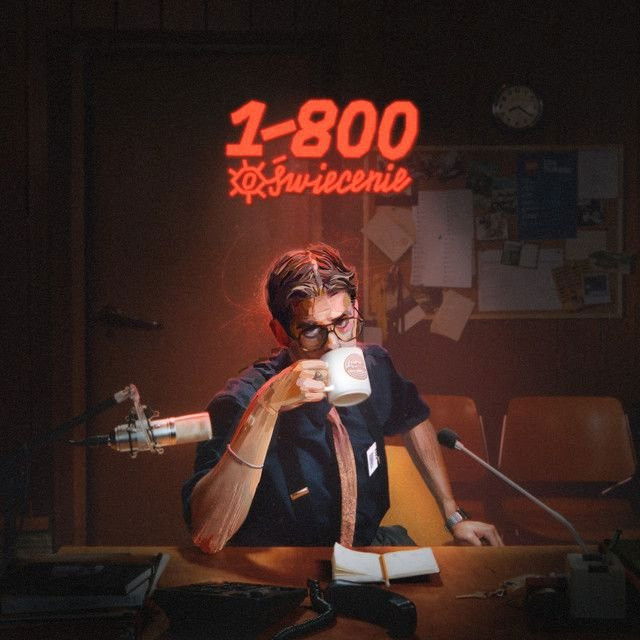
The meaning of Pakiet Platinium Taco Hemingway comes into focus fast: this is a sharp, funny, and uneasy song about buying things in search of a better self. The narrator keeps consuming cars, clothes, skincare, luxury goods, and status symbols, yet each purchase leaves them no closer to real satisfaction.
"Pakiet Platinium" - Taco Hemingway
Skusiła reklama widziana późną nocą na CNN-ie
Sunęło sawanną, gnało przez pola, lasy i dzikie prerie
Loading lyrics...
Unable to load lyrics
We're unable to display the lyrics at this time. Please try again later.
Rather than praising wealth, the song shows how modern marketing can make people feel unfinished. Everything is framed as a solution. Everything promises access, beauty, health, or prestige. And almost everything disappoints.
A Consumer Spiral Disguised as Progress
At the song's core, Taco Hemingway builds a character who is trapped in an endless loop of wanting. They buy a car after seeing glamorous ads, but their real life looks nothing like the fantasy. The contrast is immediate: the dream is movement and freedom, while reality is traffic and frustration.
That gap matters. It shows how ads sell emotions before they sell objects. A product is never just a product. It is adventure, sex appeal, youth, status, or reinvention.
The same pattern repeats across the song. The narrator buys fashion, coffee gear, cosmetics, fitness access, luxury food, and even poetic gestures. Each choice sounds like an attempt to upgrade life. But the effect is hollow. One of the song's key turns comes when the new item becomes just another thing, ending in the bitter realization: Zostałem oszukany
. In plain terms, they feel conned by the whole promise.
The Chorus Turns Advertising Into Comedy
The hook is one of the smartest parts of the song. Phrases like Pakiet platinium
, Ekskluzywny dostęp
, and Mądre pożyczki
sound less like personal expression and more like a wall of slogans.
That is the point. The chorus imitates the language of commercials, beauty campaigns, and financial offers. It is catchy, but it is also robotic. The song turns sales talk into absurd poetry.
Interpretation: the repetition suggests that advertising has become part of the narrator's inner voice. They are no longer simply watching marketing. They are thinking in it.
How the Verses Build the Critique
The verses move through several kinds of modern pressure:
- Tech and image culture. Ads present stylish, attractive people moving through city life with ease.
- Fashion and grooming. Clothes and skincare are sold as shortcuts to confidence.
- Wellness culture. Fitness and body improvement appear as moral duties.
- Luxury escalation. Spending rises from small treats to extreme symbols of success.
This structure is important because it shows consumerism spreading into every part of life. The song is not just about rich people buying expensive toys. It is about a whole culture that says self-worth can be purchased in installments.
One especially effective detail is the move from ordinary items to huge, almost grotesque status symbols. By the end, the narrator is buying not just alcohol, meat, vehicles, and homes, but even funeral prestige. The joke becomes grim.
kupiłem nawet trumnęEven at the end, the purchase must look impressive.
That brief moment pushes the song beyond simple satire. It suggests a world where consumption has swallowed identity so fully that even death becomes branding.
The Sound Likely Supports the Message
Without relying on full lyric reproduction, it is still clear that the writing aims for accumulation and overload. The repeated product list, slogan bursts, and escalating stakes create a rhythm of compulsion.
Interpretation: if the production is glossy, punchy, or mechanically repetitive, that would fit the theme perfectly. A sleek beat would mirror the seductive surface of advertising, while the piling-up vocal phrasing would mimic scrolling, shopping, and impulse buying.
This kind of delivery matters in Taco Hemingway's work. They often use a conversational rap style to make social observation feel personal, then let irony do the deeper work. Here, that approach makes the critique more effective because it does not sound like a lecture. It sounds like confession.
Artist Context Makes the Song Sharper
Taco Hemingway, the stage name of Filip Szcześniak, is known for writing detailed, urban narratives and social commentary in Polish rap. That reputation helps explain why this song feels so observant. The lyrics are full of brand names, media images, and class signals because they are studying how aspiration works in daily life.
The writing credit provided here lists Filip Szczesniak and Maciej Ruszecki, which supports the idea that the song was carefully built around language, rhythm, and cultural detail. Even without broader release data, the text itself shows a writer interested in how capitalism sounds when it enters ordinary speech.
Two Strong Readings of the Song
Reading One: A critique of consumer capitalism
This is the clearest reading. The song argues that markets create insecurities, then sell temporary relief. People buy not from need but from fear of being average, aging, unfashionable, or left behind.
Reading Two: A self-portrait of complicity
The song also admits that the buyer is not just a victim. They want the fantasy. They fall for the image. That makes the song more human than a simple anti-ad message. It shows how intelligent people can still get seduced by the dream.
Why the Song Lands So Well
The meaning of Pakiet Platinium Taco Hemingway is powerful because it feels current. It captures a world of targeted ads, luxury branding, wellness pressure, and easy credit, where identity is constantly for sale.
Its final insight is bleak but memorable: the problem is not one bad purchase. It is a whole system teaching people to confuse owning with becoming.
Disclaimer: This interpretation is based on the lyrics provided and general artist context. Like most songs, "Pakiet Platinium" can support more than one reading.








